
The Artistic Visionaries of Today: Celebrating Famous Visual Artists
In the dynamic world of contemporary art, several visual artists have captured the imagination of audiences worldwide with their innovative works and unique perspectives. Let’s take a closer look at some of the most famous visual artists who are making a significant impact on the art scene today.
Banksy
Banksy, known for his thought-provoking street art and politically charged messages, has gained international acclaim for his anonymous yet influential presence in the art world. His works often address social and political issues with a touch of wit and irony, leaving viewers pondering deeper meanings behind his visually striking pieces.
Yayoi Kusama
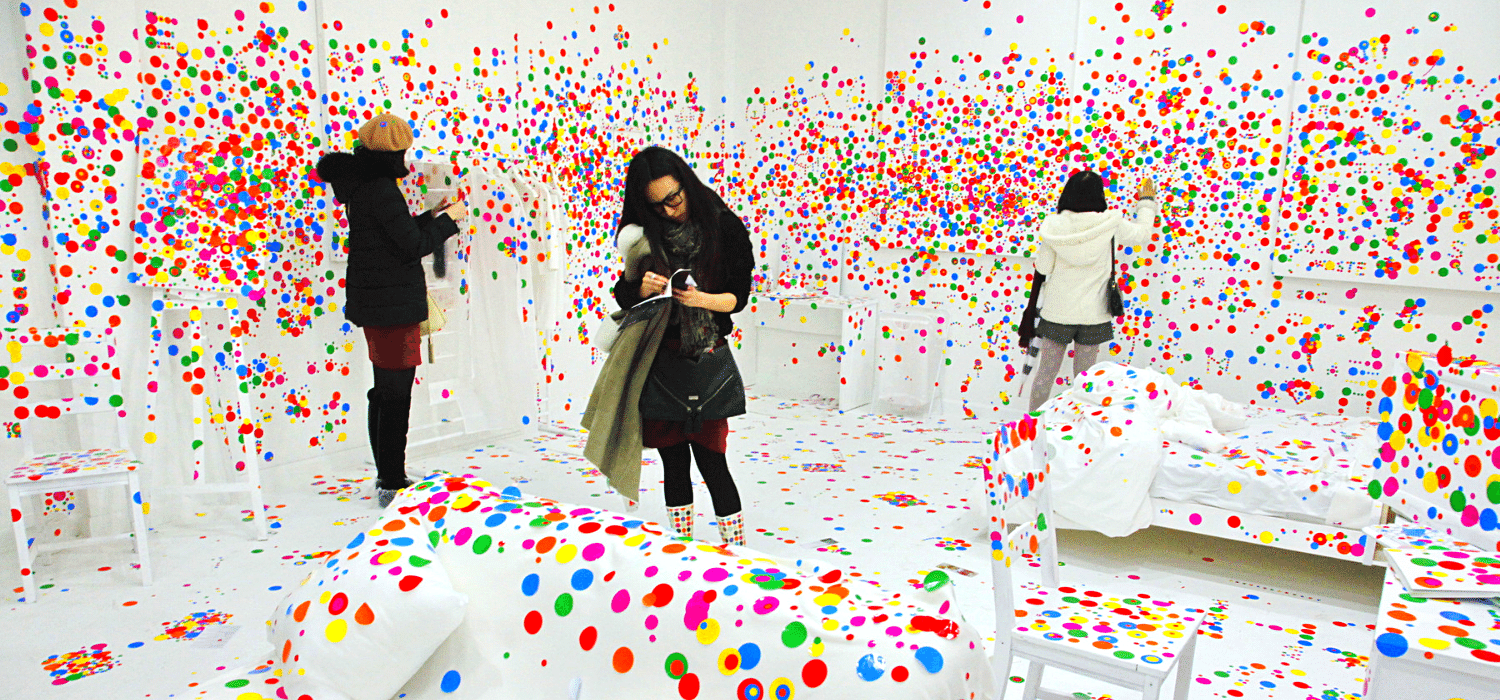
Renowned for her immersive installations and vibrant polka-dot patterns, Yayoi Kusama has become a household name in contemporary art. Her avant-garde approach to art-making and exploration of themes such as infinity and self-obliteration have earned her a dedicated following and critical acclaim.
Ai Weiwei
Ai Weiwei, a prominent Chinese artist and activist, uses his art to challenge authority and advocate for human rights issues. Through various mediums including sculpture, photography, and installations, Ai Weiwei fearlessly confronts societal injustices and censorship while inspiring dialogue and reflection on pressing global concerns.
Kara Walker
Kara Walker is celebrated for her powerful silhouetted figures that explore themes of race, gender, and identity in American history. Her provocative artworks confront viewers with uncomfortable truths about the legacy of slavery and systemic oppression, sparking important conversations about race relations in contemporary society.
Olafur Eliasson
Olafur Eliasson is known for his immersive installations that blur the boundaries between art, architecture, and environmental activism. By incorporating elements such as light, water, and natural materials into his artworks, Eliasson challenges viewers to reconsider their relationship with the environment and engage with pressing ecological issues.
These are just a few of the many talented visual artists shaping the artistic landscape today with their creativity, vision, and commitment to pushing boundaries in the pursuit of meaningful expression. As they continue to inspire audiences around the globe, their contributions serve as a testament to the enduring power of art to provoke thought, evoke emotion, and spark positive change in our world.
Exploring the Influence and Impact of Today’s Renowned Visual Artists: 8 Key Questions
- Who are some of the most famous visual artists today?
- What makes a visual artist famous in the contemporary art world?
- How do famous visual artists express their unique perspectives through their works?
- What are some common themes explored by famous visual artists in their art?
- How do visual artists like Banksy use their art to address social and political issues?
- What role does technology play in the works of contemporary visual artists?
- How do famous visual artists like Yayoi Kusama challenge traditional artistic boundaries?
- What impact do famous visual artists have on shaping cultural conversations and societal perceptions?
Who are some of the most famous visual artists today?
In the realm of contemporary art, several prominent visual artists have garnered widespread recognition for their innovative and thought-provoking works. Among the most famous visual artists today are Banksy, known for his socially conscious street art; Yayoi Kusama, celebrated for her mesmerizing installations and polka-dot motifs; Ai Weiwei, an artist and activist using his platform to address pressing global issues; Kara Walker, renowned for her poignant silhouetted figures exploring themes of race and history; and Olafur Eliasson, whose immersive installations challenge perceptions of space and environment. These artists stand out for their distinct artistic visions, pushing boundaries and inspiring audiences with their impactful creations in the contemporary art world.
What makes a visual artist famous in the contemporary art world?
In the contemporary art world, several factors contribute to making a visual artist famous. Firstly, originality and creativity play a crucial role, as artists who offer fresh perspectives and innovative approaches to their work often capture the attention of critics and audiences alike. Additionally, a strong artistic vision and consistent body of work that resonates with viewers can help an artist stand out in a crowded field. Building a strong personal brand, cultivating a unique artistic voice, and engaging with relevant social or political issues can also elevate an artist’s visibility and impact. Furthermore, effective marketing strategies, collaborations with reputable galleries or institutions, critical acclaim, and recognition through prestigious awards or exhibitions can all contribute to an artist’s rise to fame in the competitive landscape of contemporary art.
How do famous visual artists express their unique perspectives through their works?
Famous visual artists express their unique perspectives through their works by drawing inspiration from their personal experiences, cultural backgrounds, and societal influences. They often use a variety of artistic techniques, mediums, and styles to convey their thoughts, emotions, and observations about the world around them. Whether through bold colors, intricate details, symbolic imagery, or unconventional materials, these artists infuse their creations with a distinct voice that reflects their individuality and vision. By exploring themes such as identity, politics, nature, or human relationships in their art, famous visual artists invite viewers to see the world through their eyes and engage with thought-provoking narratives that challenge perceptions and inspire contemplation.
What are some common themes explored by famous visual artists in their art?
Famous visual artists today often explore a wide range of common themes in their art, reflecting the complexities of the modern world and human experience. Themes such as identity, memory, social justice, environmental sustainability, and cultural heritage are frequently addressed by contemporary artists through various mediums and styles. By delving into these universal topics, artists seek to provoke thought, evoke emotion, and spark meaningful conversations that resonate with audiences on a personal and societal level. Through their creative expressions, these artists challenge perceptions, inspire introspection, and contribute to the rich tapestry of artistic discourse in today’s diverse and ever-evolving art landscape.
How do visual artists like Banksy use their art to address social and political issues?
Visual artists like Banksy utilize their art as a powerful tool to address social and political issues by creating thought-provoking and visually impactful works that challenge the status quo and provoke critical reflection. Through his anonymous street art pieces, Banksy cleverly combines imagery, symbolism, and messaging to shed light on pressing societal concerns such as inequality, injustice, and corruption. By choosing public spaces as his canvas, Banksy ensures that his art reaches a wide audience, sparking conversations and raising awareness about important issues that may otherwise go unnoticed. His use of humor, satire, and subversion in his artworks serves to engage viewers on a deeper level, encouraging them to question established norms and consider alternative perspectives on complex social and political realities.
What role does technology play in the works of contemporary visual artists?
In the realm of contemporary visual art, technology plays a pivotal role in shaping the works of artists and influencing their creative processes. From digital art and virtual reality installations to interactive multimedia projects, technology serves as a powerful tool for artists to explore new modes of expression, engage with audiences in innovative ways, and push the boundaries of traditional artistic practices. By harnessing the capabilities of digital tools, software programs, and emerging technologies, contemporary visual artists can experiment with form, texture, color, and movement in ways that were previously unimaginable, leading to groundbreaking artworks that reflect the ever-evolving relationship between art and technology in the modern world.
How do famous visual artists like Yayoi Kusama challenge traditional artistic boundaries?
Famous visual artists like Yayoi Kusama challenge traditional artistic boundaries through their innovative approaches to art-making and conceptualization. Yayoi Kusama, known for her immersive installations and striking polka-dot patterns, pushes the limits of traditional art forms by creating experiential artworks that engage the viewer on a sensory and emotional level. By blurring the boundaries between art and life, Kusama invites audiences to participate actively in her creations, breaking away from the passive observer role typically associated with traditional art viewing. Furthermore, Kusama’s exploration of themes such as infinity, self-obliteration, and the subconscious challenges conventional notions of artistic subject matter and representation, inviting viewers to contemplate deeper existential questions through her visually captivating works.
What impact do famous visual artists have on shaping cultural conversations and societal perceptions?
Famous visual artists play a crucial role in shaping cultural conversations and societal perceptions through their thought-provoking works that challenge norms, evoke emotions, and inspire critical thinking. By addressing pressing issues such as social justice, identity, environmental concerns, and political upheavals in their art, these artists spark meaningful dialogues and reflections within society. Their ability to communicate complex ideas and emotions through visual language transcends barriers of language and culture, making their messages accessible to diverse audiences worldwide. Through their creativity and vision, famous visual artists not only document the zeitgeist of their time but also actively contribute to shaping the collective consciousness and fostering empathy, understanding, and positive change in the world.