
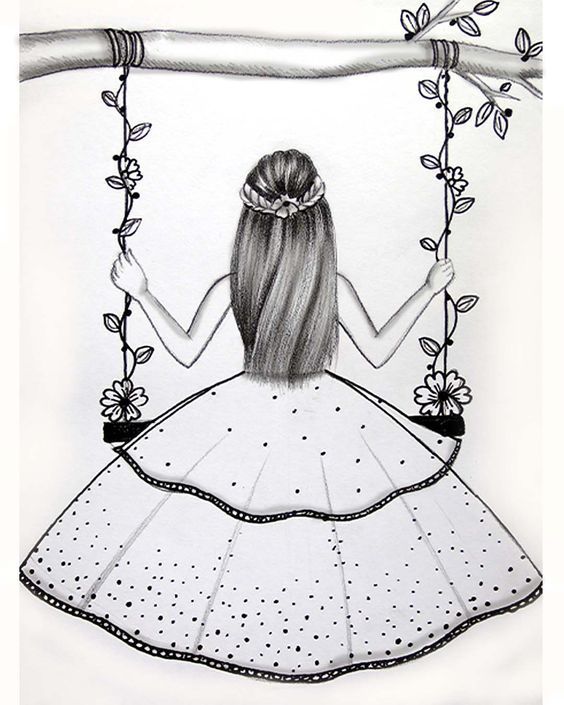
Easy Pencil Sketch: A Beginner’s Guide
An easy pencil sketch is a simple, enjoyable way to practice drawing. With just a pencil, paper, and a few basic techniques, beginners can create everything from everyday objects to small landscapes. The goal is not to make a perfect picture—it’s to observe shapes, practice light and shadow, and build confidence one line at a time.
What You’ll Need
- A standard HB pencil for light outlines and general drawing
- Drawing paper or a sketchbook
- A soft eraser
- A pencil sharpener
- Optional: a 2B pencil for darker shading
There’s no need for expensive supplies. A regular school pencil and plain paper are enough to get started.
Choose a Simple Subject
Start with an object that has a clear, uncomplicated shape. A mug, an apple, a leaf, or a small house can make a good first subject. Place the object where you can see it clearly, and use a light source—such as a nearby lamp or window—to create visible shadows.
How to Make an Easy Pencil Sketch
- Look for the basic shapes. Before drawing details, notice the simple forms that make up the object. A mug may begin as an oval and a rectangle; an apple may be made from a few rounded curves.
- Draw a light outline. Use gentle pencil strokes to sketch the main shape. Keep the lines faint so they are easy to adjust.
- Check the proportions. Compare the height and width of different parts. If something looks too large or too small, make corrections before adding details.
- Add a few key features. Draw only the details that help identify the subject, such as a mug’s handle or a leaf’s center vein.
- Notice the light and shadow. Decide which areas are brightest and which are darkest. Leave highlights mostly untouched, and add light shading to the shadowed areas.
- Build up darker tones slowly. Shade with several light layers instead of pressing hard right away. This creates smoother results and makes changes easier.
- Clean up the sketch. Erase extra guidelines and soften any marks that feel too dark. Keep some visible pencil texture for a natural look.
A Simple Practice Project: Sketch an Apple
Place an apple on a table and look at its overall silhouette. Draw a loose, rounded outline, then add a small dip at the top and a short stem. Lightly shade one side of the apple, following the curve of its surface. Add a darker area near the bottom and a soft cast shadow on the table. Leave a small patch of paper unshaded to suggest reflected light.
This exercise helps beginners practice curved lines, shading, and the way light falls across a three-dimensional object.
Beginner Pencil-Sketching Tips
- Use a light touch. Heavy outlines can make a sketch look stiff and are harder to erase.
- Draw what you see. Spend time observing the subject instead of relying only on what you think it should look like.
- Keep shading consistent. Use strokes that follow the form of the object, such as curved strokes on a round fruit.
- Don’t overwork the paper. Too much rubbing or repeated erasing can damage its surface.
- Practice regularly. A short sketch each day can improve observation and hand control over time.
Keep It Simple and Keep Practicing
Easy pencil sketches are an excellent starting point for learning to draw. Begin with basic shapes, use light lines, and add shading gradually. With patience and regular practice, simple objects can become expressive drawings—and each sketch offers a chance to notice more detail than the last.
7 Common Questions About Getting Started with Easy Pencil Sketching
- What materials do I need to make an easy pencil sketch?
- What are some simple things to draw with a pencil?
- How do I start a pencil sketch as a beginner?
- How can I draw basic shapes more accurately?
- How do I add shading to a pencil sketch?
- Which pencil is best for beginner sketches?
- How can I improve my pencil-sketching skills?
What materials do I need to make an easy pencil sketch?
To make an easy pencil sketch, you’ll need a pencil, paper, and an eraser. An HB pencil is a versatile choice for light outlines and general drawing, while a softer 2B pencil can add darker shading. A sketchbook or any plain paper works well, and a sharpener helps keep your lines precise. You can start with these basic supplies and add tools such as blending stumps later if you’d like to experiment with smoother shading.
What are some simple things to draw with a pencil?
Simple things to draw with a pencil include everyday objects such as a mug, an apple, a book, a houseplant, or a pair of shoes. Beginners can also try basic shapes, leaves, flowers, clouds, or a simple landscape with hills and a sun. Choose a subject with clear outlines, start with light lines, and add details or shading gradually.
How do I start a pencil sketch as a beginner?
To start a pencil sketch as a beginner, choose a simple subject, such as a mug, fruit, or leaf, and look for the basic shapes that make it up. Use a regular HB pencil to draw a light outline, keeping your strokes loose so you can make changes easily. Check the subject’s proportions before adding a few details, then use soft layers of shading to show light and shadow. Start simple, and remember that regular practice matters more than getting every line perfect.
How can I draw basic shapes more accurately?
To draw basic shapes more accurately, start with light pencil lines and look closely at the subject’s proportions before adding details. Break what you see into simple forms—such as circles, ovals, rectangles, and triangles—and compare their height, width, and angles. Try drawing the shape with several loose strokes rather than one heavy line, then adjust the outline as needed. Practicing simple shapes from different angles can also help your hand and eye work together.
How do I add shading to a pencil sketch?
To add shading to a pencil sketch, first decide where the light is coming from, then leave the areas facing the light mostly white and darken the areas turned away from it. Build shadows gradually with light, even pencil strokes, adding more layers where you want deeper tones. Follow the shape of the object with your strokes—for example, use curved marks on a round apple—and soften transitions with a blending stump or clean tissue if desired. Keep a range of light, medium, and dark values to make the drawing look more dimensional.
Which pencil is best for beginner sketches?
For beginner sketches, an HB pencil is a great choice because it makes clear, medium-light lines that are easy to erase and adjust. Once you’re comfortable, try a softer 2B pencil for darker lines and shading. Start with a light touch, and choose whichever pencil feels comfortable to hold and control.
How can I improve my pencil-sketching skills?
Improve your pencil-sketching skills by practicing regularly, even for a few minutes a day. Start with simple subjects and focus on observing their shapes, proportions, and shadows before adding details. Use light strokes so you can make adjustments, and practice shading with different pencil pressures to create a range of tones. Reviewing older sketches can help you notice your progress and identify what to work on next.