
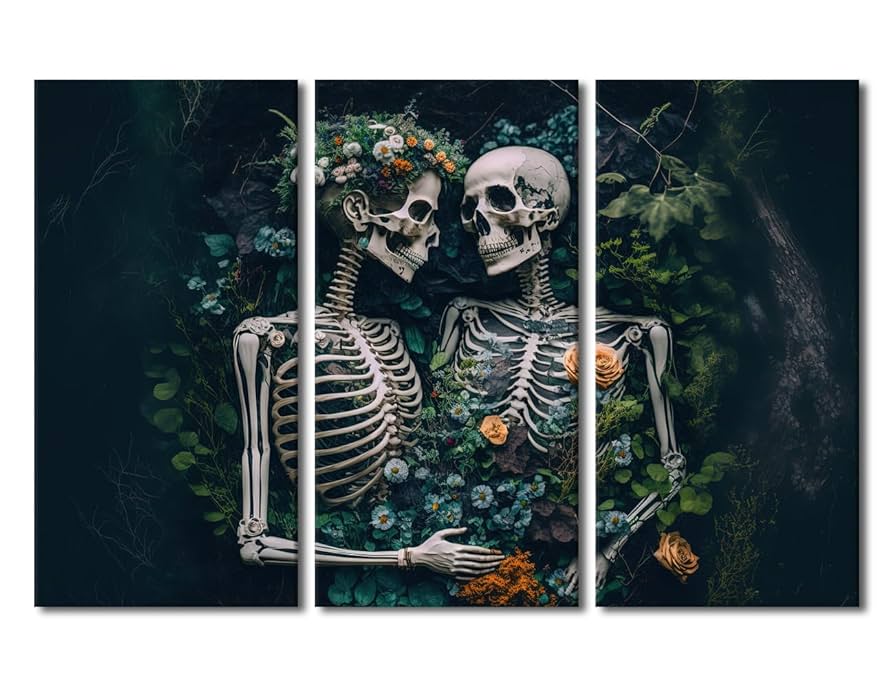
The Fascinating World of Skull Art
Skulls have long been a symbol of mortality, mystery, and the macabre. In art, they have been used to convey a wide range of meanings and emotions, from death and danger to rebirth and transformation. Skull art has a rich history that spans cultures and time periods, with artists using this iconic image to explore themes of life, death, and the human condition.
Symbolism in Skull Art
Skulls have been used symbolically in art for centuries. In some cultures, skulls are associated with death and the afterlife, serving as a reminder of the impermanence of life. In other contexts, skulls can represent rebellion, strength, or even protection against evil forces.
The Evolution of Skull Art
Skull art has evolved over time, with artists incorporating this motif into various styles and mediums. From traditional skull motifs in religious art to contemporary interpretations in street art and pop culture, the skull continues to captivate artists and audiences alike.
Exploring Skull Art Today
Today, skull art remains a popular theme among artists around the world. Contemporary artists use skulls in diverse ways, from realistic depictions to abstract interpretations. Some artists use skulls to make political statements or explore social issues, while others focus on the aesthetic beauty of this iconic symbol.
Conclusion
Skull art is a powerful and enduring form of artistic expression that continues to intrigue and inspire both creators and viewers. Whether conveying themes of mortality, rebellion, or beauty, skull art invites us to contemplate the complexities of life and death through a timeless symbol that transcends cultural boundaries.
5 Essential Tips for Mastering Creative Skull Art
- Study different skull art styles for inspiration.
- Practice sketching skulls from various angles to improve your skills.
- Experiment with different mediums, such as pencil, ink, or digital tools.
- Pay attention to details like shading and proportions to make your skull art more realistic.
- Don’t be afraid to add your own creative twist to traditional skull designs.
Study different skull art styles for inspiration.
To enhance your understanding and creativity in skull art, it is beneficial to study various skull art styles for inspiration. By exploring different artistic interpretations of skulls across cultures and time periods, you can gain valuable insights into the diverse ways artists have approached this iconic motif. Whether it’s realistic depictions in classical art, stylized representations in contemporary street art, or symbolic use in cultural traditions, studying different skull art styles can broaden your artistic horizons and inspire new ideas for your own creations.
Practice sketching skulls from various angles to improve your skills.
Practicing sketching skulls from various angles is a valuable tip for artists looking to enhance their skills in skull art. By exploring different perspectives and viewpoints, artists can develop a deeper understanding of the skull’s structure, proportions, and details. This exercise not only improves technical drawing abilities but also fosters creativity and imagination as artists experiment with different interpretations and styles. Regular practice sketching skulls from diverse angles can help artists refine their techniques and create more dynamic and compelling skull art pieces.
Experiment with different mediums, such as pencil, ink, or digital tools.
To elevate your exploration of skull art, consider experimenting with various mediums such as pencil, ink, or digital tools. Each medium offers a unique way to express your creativity and bring different textures and effects to your skull art pieces. Pencil can provide a classic and detailed look, ink can create bold and striking contrasts, while digital tools offer endless possibilities for manipulation and experimentation. By trying out different mediums, you can discover new techniques and styles that enhance the depth and visual impact of your skull art creations.
Pay attention to details like shading and proportions to make your skull art more realistic.
To create more realistic skull art, it is crucial to pay close attention to details such as shading and proportions. By carefully considering the light and shadow on different parts of the skull, artists can add depth and dimension to their artwork, making it appear more lifelike. Additionally, maintaining accurate proportions in the skull’s features helps ensure anatomical correctness and enhances the overall realism of the piece. By focusing on these essential details, artists can elevate their skull art to a new level of authenticity and visual impact.
Don’t be afraid to add your own creative twist to traditional skull designs.
When exploring skull art, it is important not to be afraid to infuse your own creative flair into traditional skull designs. By adding a personal touch or unique twist to established motifs, you can breathe new life into the art form and make it your own. Whether experimenting with different colors, textures, or styles, embracing creativity can lead to innovative and captivating interpretations of this timeless symbol. Embrace the opportunity to express yourself and bring fresh perspectives to traditional skull art designs.