
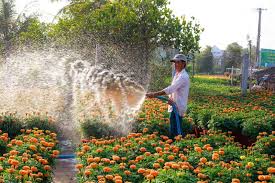
The Beauty and Benefits of Horticulture Courses
Horticulture, the art and science of plant cultivation, is a fascinating field that offers a wide range of benefits for both individuals and communities. Taking horticulture courses can not only enhance your knowledge and skills in gardening and landscaping but also provide numerous personal and environmental advantages.
What Are Horticulture Courses?
Horticulture courses cover various aspects of plant care, cultivation techniques, landscape design, pest management, soil science, and more. These courses are designed to educate students on how to grow plants effectively, maintain gardens and green spaces, and create sustainable landscapes.
The Beauty of Horticulture
Studying horticulture allows you to appreciate the beauty of plants in a whole new way. You’ll learn about different plant species, their growth habits, colors, textures, and how to create visually appealing garden designs. Whether you’re interested in flowers, trees, shrubs, or vegetables, horticulture courses can help you develop a keen eye for natural beauty.
The Benefits of Taking Horticulture Courses
There are numerous benefits to enrolling in horticulture courses:
- Enhanced Gardening Skills: You’ll learn practical techniques for planting, watering, pruning, and caring for plants to help them thrive.
- Career Opportunities: Horticulture courses can lead to various career paths such as garden designer, landscape architect, botanist, horticulturist, or nursery manager.
- Environmental Awareness: Understanding plant biology and ecosystems can increase your awareness of environmental issues and sustainability practices.
- Therapeutic Effects: Gardening has been shown to have therapeutic benefits such as reducing stress levels and improving mental well-being.
- Community Engagement: Sharing your horticultural knowledge with others can foster community engagement through gardening clubs or volunteer opportunities.
Conclusion
Whether you’re a gardening enthusiast looking to expand your skills or someone interested in pursuing a career in horticulture, taking horticulture courses can be a rewarding experience. Not only will you gain valuable knowledge about plants and gardening practices but you’ll also contribute to the beauty of our natural world while reaping the personal benefits that come with nurturing living things.
If you’re ready to delve into the world of horticulture, consider enrolling in a horticultural course today!
Top 8 Frequently Asked Questions About Pursuing a Career in Horticulture
- What are the three major career areas in horticulture?
- What classes do you take for a horticulture degree?
- What is the highest salary for a horticulturist?
- How long does it take to learn horticulture?
- What are the requirements for horticulture course?
- What are the 4 main areas of careers in horticulture?
- Which degree is the best for horticulture?
- How can I learn horticulture on my own?
What are the three major career areas in horticulture?
In the field of horticulture, there are three major career areas that individuals can pursue to leverage their passion for plants and landscapes. These include garden design and landscaping, plant science and research, and nursery management. Garden designers and landscapers focus on creating aesthetically pleasing outdoor spaces by selecting appropriate plants, designing layouts, and implementing sustainable practices. Plant scientists and researchers delve into the study of plant biology, genetics, and cultivation techniques to improve crop yield, develop new varieties, and address environmental challenges. Nursery managers oversee the production and distribution of plants in nurseries, ensuring quality control, inventory management, and customer satisfaction. Each of these career paths offers unique opportunities for horticulture enthusiasts to make a meaningful impact in the green industry.
What classes do you take for a horticulture degree?
When pursuing a horticulture degree, students typically take a variety of classes that cover fundamental topics in plant science, landscape design, soil management, pest control, plant propagation, and horticultural business practices. Specific courses may include botany, plant physiology, greenhouse management, turfgrass management, arboriculture, floral design, irrigation systems, and sustainable landscaping. These classes provide students with a well-rounded education in horticulture and equip them with the knowledge and skills needed to succeed in various careers within the field of plant cultivation and landscape management.
What is the highest salary for a horticulturist?
The highest salary for a horticulturist can vary depending on factors such as experience, education, location, and specific job responsibilities. In general, horticulturists with advanced degrees, specialized skills, and extensive experience in managerial or research positions tend to command higher salaries. According to industry data, the top earners in the field of horticulture can potentially make six-figure salaries annually. However, it’s important to note that salary ranges can differ significantly based on individual circumstances and the organization or sector in which a horticulturist is employed.
How long does it take to learn horticulture?
The duration to learn horticulture varies depending on the depth of knowledge and skills one aims to acquire. Horticulture is a diverse field encompassing plant care, landscaping, soil management, and more, so the time it takes to become proficient can differ. Some introductory horticulture courses may last a few weeks or months, providing fundamental knowledge and skills. For more advanced expertise, pursuing a degree or certification program in horticulture can take several years of study and practical experience. Ultimately, the timeline to learn horticulture is influenced by individual learning pace, dedication, and the specific areas of horticulture one wishes to specialize in.
What are the requirements for horticulture course?
The requirements for horticulture courses may vary depending on the specific program and institution offering the course. Generally, individuals interested in enrolling in a horticulture course may need to have a high school diploma or equivalent. Some programs may require basic knowledge of plant biology, gardening, or landscaping. Additionally, certain horticulture courses may have specific prerequisites related to math or science proficiency. It is recommended to check with the educational institution or program coordinator for detailed information on the requirements for a particular horticulture course.
What are the 4 main areas of careers in horticulture?
In the field of horticulture, there are four main areas of careers that individuals can pursue. These include garden design and landscaping, plant science and research, nursery management and production, and public horticulture and education. Garden designers and landscapers focus on creating visually appealing outdoor spaces, while plant scientists conduct research on plant biology and genetics. Nursery managers oversee the production and care of plants in nurseries, and those in public horticulture and education roles work to educate the public about plants, gardening practices, and environmental conservation. Each of these career paths offers unique opportunities for individuals passionate about working with plants and the natural environment.
Which degree is the best for horticulture?
When considering which degree is the best for horticulture, it ultimately depends on your career goals and interests within the field. A Bachelor’s degree in Horticulture or a related field such as Plant Science, Botany, or Landscape Architecture is often a solid choice for those looking to pursue careers in plant cultivation, landscaping, research, or education. For individuals seeking more specialized knowledge or advanced positions, pursuing a Master’s or Ph.D. in Horticulture can provide deeper insights into specific areas of study such as crop production, environmental horticulture, or plant genetics. Ultimately, the best degree for horticulture is one that aligns with your passions and career aspirations within this diverse and rewarding field.
How can I learn horticulture on my own?
Learning horticulture on your own can be a rewarding and enriching experience. There are several ways to embark on this journey independently. Start by exploring online resources, such as articles, videos, and tutorials, that cover various aspects of plant care and gardening techniques. Consider reading books on horticulture to deepen your understanding of plant biology, soil science, and landscaping principles. Experimenting with growing plants in your own garden or indoor space can provide hands-on learning opportunities. Joining gardening forums or local horticultural societies can also connect you with experienced enthusiasts who can offer guidance and support as you delve into the world of horticulture. Remember, curiosity, patience, and a willingness to learn from both successes and failures are key to mastering the art of horticulture on your own.