
The Scream: A Masterpiece of Art and Emotion
One of the most iconic and haunting artworks in the history of art is Edvard Munch’s painting, “The Scream.” Created in 1893, this masterpiece has captivated audiences around the world with its raw emotion and striking imagery.
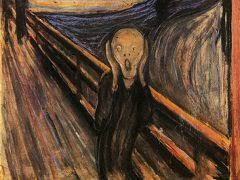
The painting depicts a figure standing on a bridge, their face contorted in a silent scream of anguish. The swirling colors and distorted shapes in the background add to the sense of chaos and despair conveyed by the central figure. The use of bold, expressive brushstrokes creates a sense of movement and intensity that draws the viewer into the emotional turmoil depicted in the painting.
Many art historians believe that “The Scream” reflects Munch’s own inner turmoil and existential angst. The artist experienced personal tragedy and mental health struggles throughout his life, which are thought to have influenced his work. The figure in the painting is often interpreted as a representation of universal human suffering and alienation.
Over the years, “The Scream” has become an enduring symbol of anxiety and existential dread in modern society. Its power lies in its ability to evoke strong emotions and provoke deep contemplation about the human condition. The painting continues to resonate with viewers of all ages, transcending time and cultural boundaries.
Today, “The Scream” is housed at The National Gallery in Oslo, Norway, where it remains a centerpiece of their collection. It has inspired countless artists, writers, filmmakers, and musicians who have sought to capture its profound impact on human consciousness.
As we gaze upon Munch’s masterpiece, we are reminded of the power of art to express complex emotions and connect us to our shared humanity. “The Scream” stands as a testament to the enduring legacy of one artist’s vision and his ability to touch hearts and minds across generations.
9 Fascinating Facts About Edvard Munch’s Iconic Painting “The Scream
- The Scream is a famous painting by Edvard Munch.
- It depicts a figure with an agonized expression standing on a bridge.
- The painting is known for its vibrant colors and swirling lines.
- There are four versions of The Scream, including two paintings, one pastel, and one lithograph.
- Edvard Munch created the first version of The Scream in 1893.
- The figure in the painting is often interpreted as symbolizing the anxiety and alienation of modern life.
- The background of the painting shows a turbulent sky, adding to the sense of unease.
- The Scream is considered a masterpiece of Expressionism, an art movement that emphasizes emotional experience over physical reality.
- The painting has become an iconic image in popular culture, often referenced and parodied in various media.
The Scream is a famous painting by Edvard Munch.
“The Scream” by Edvard Munch is a renowned painting that has left a lasting impact on the art world and beyond. Known for its powerful depiction of human emotion and existential angst, this masterpiece continues to captivate viewers with its haunting imagery and profound symbolism. Edvard Munch’s ability to convey intense feelings through his artistry has solidified “The Scream” as an enduring symbol of universal human experience and inner turmoil.
It depicts a figure with an agonized expression standing on a bridge.
The tip on the scream painting describes a poignant scene where a figure is captured with an agonized expression while standing on a bridge. This vivid portrayal of anguish and despair in the artwork conveys a sense of profound emotional turmoil experienced by the central figure. The choice of setting, with the figure positioned on a bridge, adds to the dramatic intensity of the painting, suggesting themes of isolation, vulnerability, and existential crisis. Through this powerful imagery, viewers are drawn into the emotional depth of the artwork and invited to contemplate the universal aspects of human suffering and inner turmoil depicted in “The Scream.”
The painting is known for its vibrant colors and swirling lines.
“The Scream” painting by Edvard Munch is renowned for its vibrant colors and swirling lines that evoke a sense of intense emotion and turmoil. The bold use of color, particularly the vivid hues of the sky and the figure’s distorted face, creates a striking contrast that heightens the painting’s dramatic impact. The swirling lines in the background add a dynamic energy to the composition, enhancing the feeling of chaos and anxiety portrayed in the artwork. Munch’s masterful use of color and line work not only captures the viewer’s attention but also conveys a profound sense of inner turmoil and existential angst that has made “The Scream” an enduring symbol of human emotion in art history.
There are four versions of The Scream, including two paintings, one pastel, and one lithograph.
The iconic artwork “The Scream” by Edvard Munch exists in four different versions, showcasing the artist’s exploration of emotion and expression through various mediums. These versions include two paintings, one pastel drawing, and one lithograph. Each iteration of “The Scream” offers a unique perspective on the theme of existential anguish and captures the intensity of human emotion in distinct ways. Through these diverse interpretations, Munch’s masterpiece continues to captivate audiences and solidify its place as a timeless symbol of inner turmoil and universal suffering.
Edvard Munch created the first version of The Scream in 1893.
In 1893, the talented artist Edvard Munch crafted the initial version of “The Scream,” a groundbreaking masterpiece that would go on to become one of the most iconic and influential works of art in history. Through this painting, Munch captured a profound sense of existential angst and inner turmoil, setting the stage for a new era of expressionism in art. The first version of “The Scream” serves as a powerful testament to Munch’s ability to convey raw emotion and provoke contemplation through his innovative artistic vision.
The figure in the painting is often interpreted as symbolizing the anxiety and alienation of modern life.
The figure in Edvard Munch’s painting “The Scream” is frequently interpreted as symbolizing the anxiety and alienation experienced in modern life. The contorted face and posture of the central figure convey a sense of overwhelming despair and isolation, reflecting the existential angst that many individuals grapple with in today’s fast-paced and complex world. The painting’s ability to evoke such powerful emotions resonates with viewers who see themselves reflected in the haunting depiction of inner turmoil and emotional distress.
The background of the painting shows a turbulent sky, adding to the sense of unease.
In Edvard Munch’s iconic painting “The Scream,” the turbulent sky depicted in the background serves to intensify the overall sense of unease and distress conveyed by the central figure. The swirling and chaotic nature of the sky’s colors and shapes mirror the inner turmoil and anxiety experienced by the screaming figure, creating a powerful visual representation of emotional upheaval. This element of the painting not only enhances its dramatic impact but also invites viewers to immerse themselves in the intense emotional landscape captured by Munch’s brushstrokes.
The Scream is considered a masterpiece of Expressionism, an art movement that emphasizes emotional experience over physical reality.
“The Scream” by Edvard Munch is widely regarded as a masterpiece of Expressionism, a prominent art movement that prioritizes conveying emotional experiences over depicting physical reality. Through its vivid colors, distorted forms, and intense composition, the painting captures the inner turmoil and existential angst of the central figure in a way that transcends traditional representation. Munch’s innovative use of expressive brushstrokes and evocative imagery in “The Scream” exemplifies the essence of Expressionism, inviting viewers to delve into the depths of human emotion and contemplate the complexities of the human psyche.
The painting has become an iconic image in popular culture, often referenced and parodied in various media.
“The Scream” painting by Edvard Munch has transcended its status as a renowned masterpiece to become an iconic image in popular culture. It is frequently referenced and parodied in various forms of media, showcasing its enduring influence and recognition. From movies and television shows to advertisements and memes, the haunting figure in the painting with its contorted face and expressive anguish has left a lasting impression on audiences worldwide. Its presence in popular culture serves as a testament to the painting’s universal appeal and ability to resonate with diverse audiences across different contexts.