
Agriculture Courses: Cultivating Knowledge and Skills
Agriculture is the backbone of our society, providing food, resources, and livelihoods for billions of people around the world. In order to sustainably manage our agricultural systems and address the challenges of a changing climate and growing population, it is essential to equip individuals with the knowledge and skills necessary to succeed in this field.
Whether you are a budding farmer, agricultural scientist, or simply passionate about sustainable food production, enrolling in agriculture courses can provide you with valuable insights and practical experience to thrive in the agricultural industry.
Benefits of Agriculture Courses
**Specialized Knowledge**: Agriculture courses cover a wide range of topics including crop production, livestock management, soil science, pest control, and sustainable agriculture practices. By enrolling in these courses, you can gain specialized knowledge that is essential for success in the field.
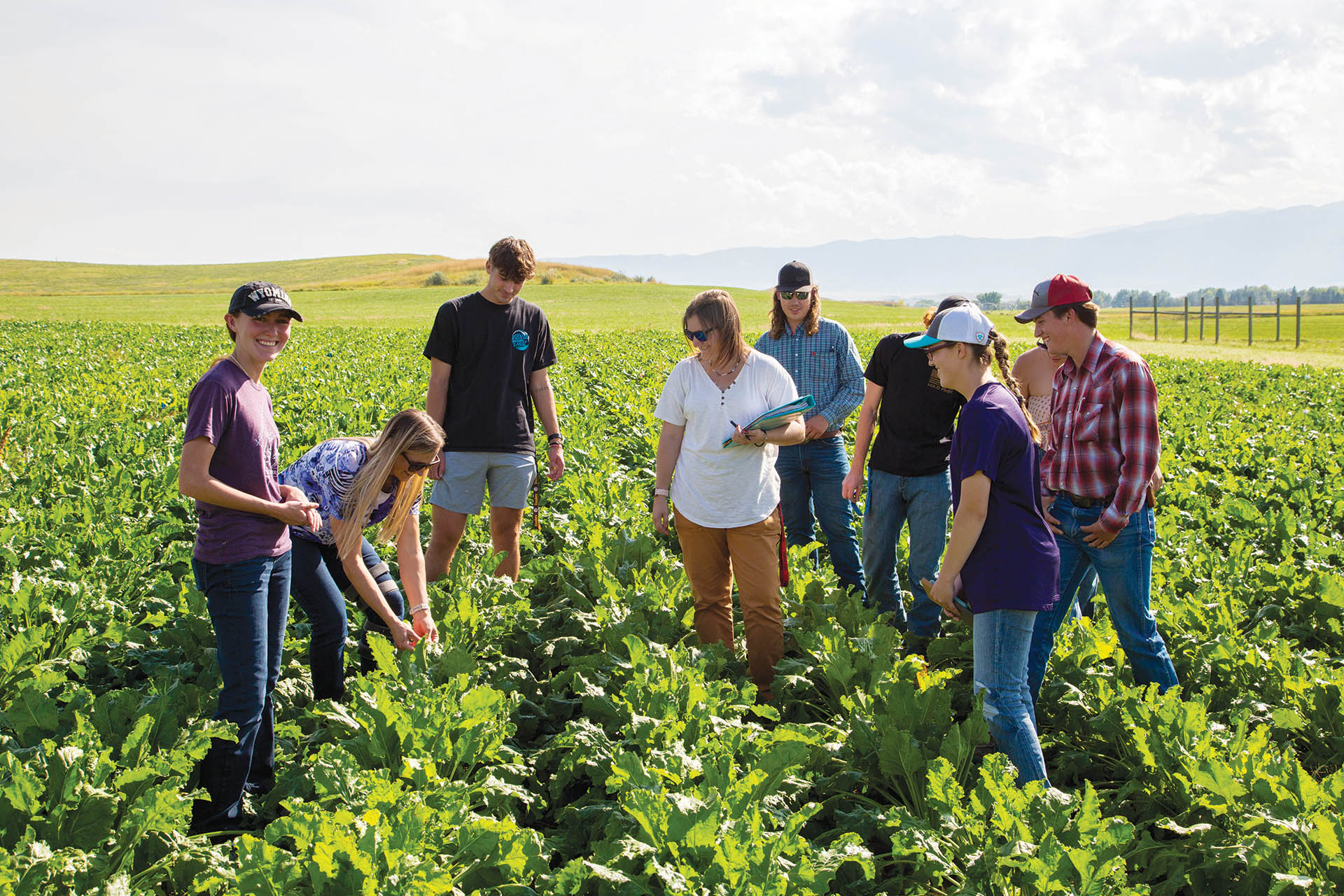
**Hands-On Experience**: Many agriculture courses offer hands-on training opportunities where students can apply their knowledge in real-world settings such as farms, research stations, or agribusinesses. This practical experience helps students develop essential skills and build confidence in their abilities.
**Networking Opportunities**: Agriculture courses provide a platform for students to connect with industry professionals, researchers, and fellow enthusiasts. Networking can open doors to new opportunities such as internships, job placements, research collaborations, or mentorship programs.
Popular Agriculture Courses
**Introduction to Agriculture**: A foundational course that covers the basics of agriculture including plant biology, animal husbandry, agricultural economics, and environmental sustainability.
**Agribusiness Management**: Focuses on the business aspects of agriculture such as marketing strategies, financial management, supply chain logistics, and entrepreneurship.
**Sustainable Agriculture Practices**: Explores innovative farming techniques that promote environmental conservation, biodiversity preservation, and long-term sustainability of agricultural systems.
In Conclusion
Whether you are looking to start a career in agriculture or simply expand your knowledge about food production and sustainability, taking agriculture courses can be a rewarding experience. By investing in your education and acquiring new skills through these courses, you can contribute to the advancement of agriculture practices and play a vital role in shaping the future of our food systems.
Top FAQs About Agriculture Courses and Careers
- What are the best careers in agriculture?
- What are the courses around agriculture?
- What is the best course for agriculture?
- What are the best agriculture courses to take?
- Is agriculture a good major?
- What are 4 careers in agriculture?
- What classes do you take for agriculture?
What are the best careers in agriculture?
When considering the best careers in agriculture, several rewarding options come to mind. Agricultural Engineering offers opportunities to design and improve farming equipment and systems, contributing to increased efficiency and sustainability in food production. Agronomy focuses on crop management and soil health, vital for optimizing yields and promoting environmental stewardship. Agribusiness Management involves overseeing the financial and operational aspects of agricultural enterprises, ensuring profitability and growth. Agricultural Economics delves into market trends, policy analysis, and resource allocation within the agricultural sector. These diverse career paths showcase the breadth of opportunities available in the dynamic field of agriculture, catering to a wide range of interests and skill sets.
What are the courses around agriculture?
When exploring the realm of agriculture courses, individuals can expect to encounter a diverse array of offerings that cater to various interests and career paths within the agricultural industry. These courses typically cover a wide spectrum of topics, including crop production, livestock management, soil science, agribusiness management, sustainable agriculture practices, agricultural economics, and more. From introductory courses that provide a foundational understanding of agriculture to specialized programs that delve deep into specific areas of interest, the courses around agriculture aim to equip learners with the knowledge and skills necessary to thrive in this vital sector.
What is the best course for agriculture?
When considering the best course for agriculture, it is important to recognize that the answer may vary depending on individual interests, career goals, and desired areas of specialization within the field. Some popular options include courses in crop production, livestock management, soil science, agribusiness management, sustainable agriculture practices, and agricultural economics. Each of these courses offers valuable insights and skills that can help individuals succeed in different aspects of the agricultural industry. Ultimately, the best course for agriculture is one that aligns with your specific interests and career objectives, providing you with the knowledge and tools needed to thrive in this dynamic and essential field.
What are the best agriculture courses to take?
When considering the best agriculture courses to take, it is essential to assess your individual interests, career goals, and level of expertise in the field. Some popular agriculture courses that are highly recommended by experts include “Introduction to Agriculture” for foundational knowledge, “Agribusiness Management” for understanding the business side of agriculture, and “Sustainable Agriculture Practices” for learning about innovative and environmentally friendly farming techniques. Additionally, courses focusing on crop production, livestock management, soil science, and agricultural economics can provide valuable insights into specific areas of agriculture. Ultimately, the best agriculture courses for you will depend on your personal interests and aspirations within the vast and diverse field of agriculture.
Is agriculture a good major?
When considering whether agriculture is a good major, it is important to recognize the significant role that agriculture plays in society and the global economy. Pursuing a major in agriculture can provide students with a diverse range of opportunities in fields such as crop production, livestock management, agribusiness, agricultural research, and sustainable farming practices. With the increasing demand for food security, environmental sustainability, and technological advancements in agriculture, choosing to major in this field can lead to fulfilling career paths that contribute to addressing crucial challenges facing our world today. Additionally, agriculture majors often benefit from hands-on experience, practical skills development, and networking opportunities that can enhance their employability and make a positive impact on the agricultural industry.
What are 4 careers in agriculture?
There are numerous career opportunities in the field of agriculture, offering a diverse range of options for individuals passionate about working with plants, animals, and the environment. Four popular careers in agriculture include agricultural engineer, agronomist, farm manager, and agricultural economist. Agricultural engineers design and develop machinery and systems to improve farming practices. Agronomists study plant biology and soil science to enhance crop production. Farm managers oversee day-to-day operations on farms, ensuring efficiency and productivity. Agricultural economists analyze economic trends and policies affecting the agricultural industry. These careers showcase the variety of roles available in agriculture, each playing a crucial part in sustaining food production and environmental stewardship.
What classes do you take for agriculture?
When pursuing agriculture courses, students typically take a variety of classes that cover essential topics in the field. These classes may include subjects like crop production, soil science, animal husbandry, agricultural economics, agribusiness management, sustainable agriculture practices, pest control, and plant biology. Students can expect to gain a well-rounded education that combines theoretical knowledge with practical skills necessary for success in the agricultural industry. By enrolling in these diverse classes, individuals can cultivate a deep understanding of agricultural systems and develop the expertise needed to address the challenges and opportunities within the field of agriculture.