
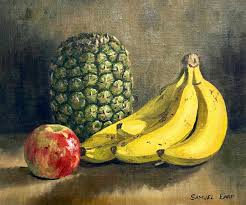
Still life photography is a captivating genre that allows photographers to create stunning images by arranging and capturing inanimate objects. Unlike portrait or landscape photography, still life photography focuses on inanimate subjects such as flowers, fruits, household items, or any other objects that can be arranged and composed in an aesthetically pleasing way.
One of the key aspects of still life photography is the control over composition, lighting, and arrangement of objects. Photographers have the freedom to experiment with different props, backgrounds, and lighting setups to create visually appealing and thought-provoking images. By carefully selecting and arranging objects, photographers can convey emotions, tell stories, or evoke certain moods through their photographs.
Lighting plays a crucial role in still life photography as it helps highlight textures, shapes, and details of the objects being photographed. Natural light can create soft and subtle shadows, while artificial light sources like studio lights or lamps can be used to add drama and depth to the composition. By understanding how light interacts with different surfaces and textures, photographers can create captivating images that draw viewers in.
Color also plays a significant role in still life photography. Photographers can use color combinations to create harmony or contrast within their compositions. Bold colors can add energy and vibrancy to an image, while muted tones can evoke a sense of calmness or nostalgia. By playing with colors and textures, photographers can create visually striking images that leave a lasting impression on the viewer.
Still life photography offers endless creative possibilities for photographers to explore their artistic vision and showcase their unique perspective on the world. Whether it’s capturing the beauty of everyday objects or creating elaborate compositions with symbolic meanings, still life photography allows photographers to express themselves creatively and create timeless works of art that resonate with viewers.
5 Essential Tips for Captivating Still Life Photography
- Use natural light for a soft and flattering look.
- Experiment with different angles and perspectives to find the most interesting composition.
- Incorporate elements with varying textures to add depth and visual interest.
- Consider using a simple background to make the main subject stand out.
- Pay attention to details like framing and arrangement to create a visually appealing image.
Use natural light for a soft and flattering look.
When capturing still life photos, utilizing natural light can significantly enhance the overall aesthetic of the image, providing a soft and flattering look. Natural light has a gentle quality that can highlight textures and details while creating subtle shadows that add depth to the composition. By harnessing the beauty of natural light, photographers can achieve a more organic and visually appealing result in their still life photographs, bringing out the inherent charm and elegance of the subjects being captured.
Experiment with different angles and perspectives to find the most interesting composition.
To enhance your still life photography, it is essential to experiment with various angles and perspectives to discover the most captivating composition. By exploring different viewpoints, such as shooting from above, eye level, or from a low angle, you can add depth and visual interest to your images. Changing perspectives can reveal unique details, textures, and shapes of the objects in your composition, allowing you to create dynamic and engaging photographs that stand out. Don’t be afraid to get creative with your angles and perspectives to uncover new ways of presenting your still life subjects in a fresh and intriguing light.
Incorporate elements with varying textures to add depth and visual interest.
To enhance the visual appeal of your still life photos, consider incorporating elements with varying textures. By combining smooth surfaces with rough textures, shiny objects with matte finishes, or soft fabrics with hard materials, you can add depth and visual interest to your compositions. Textures not only create tactile sensations in photographs but also contribute to the overall mood and aesthetic of the image. Experimenting with contrasting textures can create dynamic and engaging still life photos that capture the viewer’s attention and evoke a sense of curiosity and intrigue.
Consider using a simple background to make the main subject stand out.
When capturing still life photos, it is essential to consider using a simple background to make the main subject stand out. By choosing a plain or minimalistic background, photographers can create a clean and uncluttered composition that directs the viewer’s attention towards the main subject. A simple background helps emphasize the details, textures, and colors of the subject, allowing it to take center stage in the photograph. This technique can enhance the visual impact of the image and create a sense of focus and balance that draws viewers in and highlights the beauty of the main subject.
Pay attention to details like framing and arrangement to create a visually appealing image.
To create a visually appealing still life photo, it is essential to pay attention to details such as framing and arrangement. The way objects are positioned within the frame can greatly impact the overall composition of the image. By carefully arranging objects in a balanced and harmonious way, photographers can create a sense of order and visual interest in their photos. Paying attention to details like spacing, angles, and relationships between objects can help create a compelling and captivating image that draws viewers in and leaves a lasting impression.