
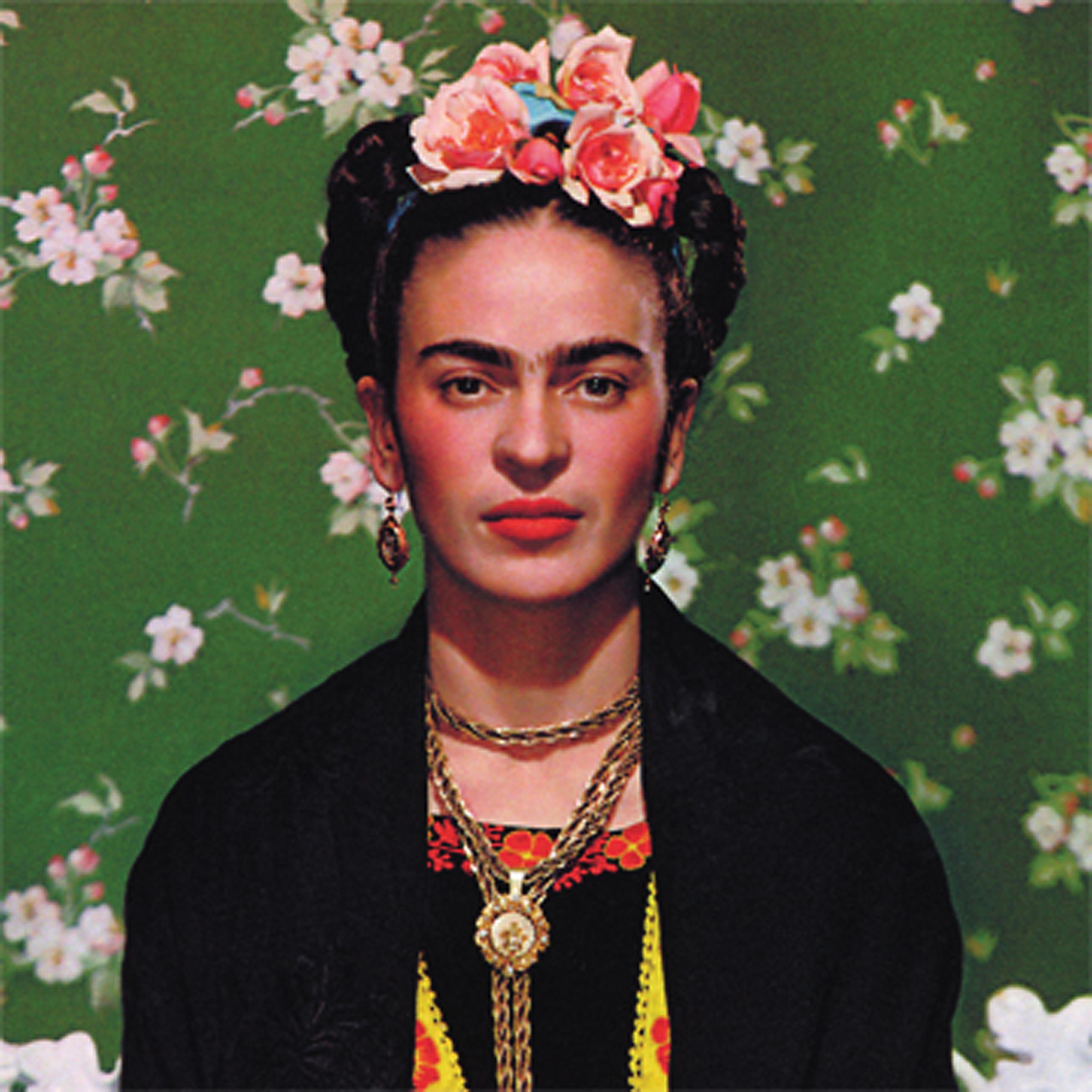
Frida Kahlo’s Self-Portraits: Art, Identity, and Resilience
Frida Kahlo is best known for self-portraits that are striking, intimate, and rich with symbolism. Rather than simply recording her appearance, she used her own image to explore identity, relationships, pain, and her connection to Mexican culture. Her paintings invite viewers to look closely—and to consider the many meanings a single face can hold.
A life reflected in art
Born in Mexico City in 1907, Kahlo experienced serious health challenges from childhood. At 18, a bus accident left her with lasting injuries and chronic pain. During her recovery, she began painting more intensively, often using a mirror attached to her bed to study her face. Self-portraiture became a way to examine her experiences and shape how she presented herself to the world.
Kahlo once explained that she painted herself because she was often alone and knew herself better than anyone else. Yet her portraits are not only personal records. Through carefully chosen clothing, settings, animals, and objects, she connected her own story to broader questions of culture, gender, and belonging.
Symbols and visual language
Kahlo’s direct gaze is one of the most recognizable features of her work. She often appears composed, even when the surrounding imagery suggests conflict or vulnerability. Her unflinching expression gives the paintings a sense of presence: the viewer is not merely observing her, but being met by her gaze.
Her paintings also draw on Mexican folk art and traditions, including vivid colors, detailed patterns, and references to nature. Kahlo frequently wore traditional Tehuana clothing, which reflected her interest in Mexican identity and became an important part of her public image. Plants, animals, and symbolic objects add further layers, making each portrait feel both deeply individual and carefully constructed.
Notable self-portraits
The Two Fridas (1939) presents two versions of Kahlo seated side by side, their hearts visible and connected by a vein. Often interpreted in relation to her separation from Diego Rivera, the painting also suggests a divided or complex sense of identity. The two figures wear different clothing, linking personal feeling with cultural belonging.
In Self-Portrait with Thorn Necklace and Hummingbird (1940), Kahlo wears a necklace of thorns that presses into her skin. A black cat and a monkey appear behind her, while a hummingbird hangs from the necklace. The painting’s symbols have inspired many interpretations, but the image resists a single, simple explanation. Its stillness and vivid detail hold pain, strength, and mystery together.
Self-Portrait with Cropped Hair (1940) shows Kahlo in an oversized suit after cutting her long hair. Scattered locks lie around her, and musical notes above her refer to a song lyric. The work challenges expectations about femininity and appearance, presenting self-transformation as both personal and boldly visible.
Why Kahlo’s portraits still matter
Kahlo’s self-portraits continue to resonate because they refuse to make identity seem simple. They show a person who is at once vulnerable and self-possessed, shaped by her experiences yet actively shaping her own image. Her work also encourages viewers to take seriously subjects that have often been treated as private: the body, illness, love, heritage, and emotional life.
More than a century after her birth, Kahlo’s paintings remain widely recognized, reproduced, and discussed. Their lasting power comes not just from their vivid colors or distinctive style, but from the sense that each portrait is an act of inquiry. In looking at herself, Kahlo created images that continue to prompt others to ask who they are—and how they wish to be seen.
Exploring Frida Kahlo’s Self-Portraits: Locations, Titles, and Significance
- Where is Frida Kahlo self-portrait?
- What is Frida Kahlo’s self-portrait called?
- What do Frida Kahlo’s self-portraits reveal about her life?
- What is Frida Kahlo’s most famous piece of artwork?
- What is considered Frida’s most famous Self-Portrait?
Where is Frida Kahlo self-portrait?
Frida Kahlo’s self-portraits are held in museums and collections around the world, so the location depends on the painting. Her 1940 painting Self-Portrait with Thorn Necklace and Hummingbird, for example, is in the collection of the Harry Ransom Center at the University of Texas at Austin. Other well-known works, including The Two Fridas, are housed elsewhere; check the specific painting’s title to find its current location and display status.
What is Frida Kahlo’s self-portrait called?
Frida Kahlo created many self-portraits, so there isn’t just one painting called “Frida Kahlo’s self-portrait.” One of her best-known works is Self-Portrait with Thorn Necklace and Hummingbird (1940), while other famous examples include The Two Fridas and Self-Portrait with Cropped Hair.
What do Frida Kahlo’s self-portraits reveal about her life?
Frida Kahlo’s self-portraits offer a deeply personal glimpse into her experiences, identity, and inner life. Through symbols, vivid colors, traditional Mexican clothing, and direct, unflinching gazes, she explored chronic pain, physical challenges, relationships, cultural heritage, and questions of belonging. Her paintings are not simple records of her appearance; they show how she chose to understand and present herself, often holding vulnerability and strength together. Although the symbols invite many interpretations, the portraits reveal Kahlo’s determination to turn personal experience into art.
What is Frida Kahlo’s most famous piece of artwork?
Frida Kahlo’s most famous artwork is often considered The Two Fridas (1939), a striking double self-portrait showing two versions of the artist seated side by side, their hearts exposed and connected by a vein. The painting is widely recognized for its powerful imagery and themes of identity, heartbreak, and cultural belonging. Kahlo’s Self-Portrait with Thorn Necklace and Hummingbird is another of her best-known works.
What is considered Frida’s most famous Self-Portrait?
Frida Kahlo’s Self-Portrait with Thorn Necklace and Hummingbird (1940) is often considered her most famous self-portrait. It shows Kahlo facing the viewer, wearing a thorn necklace, with a hummingbird pendant and animals behind her. The painting’s vivid details and layered symbolism have inspired many interpretations, while The Two Fridas (1939) is another of her best-known works.