
Motown Music: The Sound That Changed American Pop
Motown music is more than a collection of hit songs. It is a distinctive style, a groundbreaking record-company story, and an important part of American cultural history. With its memorable melodies, driving rhythms, polished production, and emotionally direct performances, Motown helped bring Black artists to a wide national audience and shaped the sound of popular music around the world.
Born in Detroit
The story began in Detroit, Michigan, where songwriter and entrepreneur Berry Gordy Jr. founded Tamla Records in 1959. The company later became known as Motown Record Corporation, a name inspired by Detroit’s identity as the “Motor City.” Gordy built a business that brought recording, songwriting, production, and artist development together under one roof.
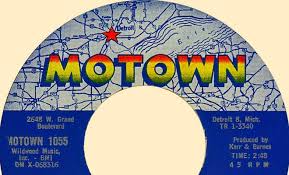
Motown’s headquarters and recording studio became famous as Hitsville U.S.A. The modest Detroit house at 2648 West Grand Boulevard was a busy creative center, where artists and musicians worked to make songs that could connect with listeners across the country. Motown eventually moved its headquarters to Los Angeles in 1972, but its Detroit years remain central to the label’s identity.
The Motown sound
Motown recordings were carefully crafted, but they rarely felt stiff. Many featured a strong backbeat, prominent bass lines, handclaps, tambourines, layered vocals, and catchy melodies. The arrangements combined elements of rhythm and blues, gospel, pop, and dance music, creating a sound that was both rooted in Black musical traditions and designed for broad popular appeal.
A key part of that sound came from the musicians known as the Funk Brothers. This group of Detroit session players performed on many Motown recordings, often providing the instrumental foundation behind the label’s best-known songs. Their work helped give Motown records a lively, recognizable feel.
Motown’s songwriting teams were just as important. Holland-Dozier-Holland wrote and produced a remarkable run of hits, while Smokey Robinson, Norman Whitfield, Barrett Strong, and other songwriters helped create songs with vivid stories and unforgettable hooks. The label also developed its artists through vocal coaching, choreography, stage practice, and media training.
Artists and songs that defined an era
Motown introduced or helped establish many influential performers. The Supremes became one of the most successful vocal groups of the 1960s, with songs such as “Where Did Our Love Go” and “You Can’t Hurry Love.” The Temptations blended elegant harmonies with expressive performances on hits including “My Girl” and “Ain’t Too Proud to Beg.”
Other essential Motown artists included Marvin Gaye, Stevie Wonder, Martha and the Vandellas, the Four Tops, Smokey Robinson and the Miracles, Mary Wells, and the Jackson 5. Their music ranged from romantic ballads and exuberant dance songs to socially conscious recordings. Marvin Gaye’s What’s Going On, for example, brought questions of war, poverty, and social change into a sophisticated soul album.
A cultural and musical legacy
Motown rose during a period when racial segregation shaped American life, including the music business. The label’s success helped Black performers reach audiences across racial lines, while its artists became prominent figures on radio, television, and concert stages. Motown did not erase the barriers of the era, but it created new opportunities and changed expectations about who could lead the pop charts.
The label’s influence can be heard in generations of pop, soul, R&B, and hip-hop. Its emphasis on strong songwriting, memorable production, and compelling performances remains a model for artists and producers. Decades later, Motown songs continue to appear in films, television, commercials, and live performances—and they remain part of everyday listening for people around the world.
Motown music endures because it brings craft and feeling together. Its songs are polished yet passionate, familiar yet inventive. From Detroit’s Hitsville U.S.A. to the global stage, Motown helped define American popular music—and its sound continues to move listeners today.
Exploring Motown: 7 Tips to Dive Into the Iconic Sound of the 1960s
- Start with the classic Motown sound of the 1960s.
- Listen for catchy melodies and strong backbeats.
- Notice the blend of gospel, pop, and R&B.
- Explore hits by The Supremes and The Temptations.
- Hear Stevie Wonder’s early Motown recordings.
- Pay attention to the bass lines and handclaps.
- Check out Motown’s Detroit roots and history.
Start with the classic Motown sound of the 1960s.
Start with the classic Motown sound of the 1960s to discover the style that made the label famous. Listen for catchy melodies, lively handclaps, driving bass lines, tambourines, and rich vocal harmonies in songs by artists such as the Supremes, the Temptations, and the Four Tops. These recordings offer a great introduction to Motown’s upbeat blend of soul, pop, and rhythm and blues.
Listen for catchy melodies and strong backbeats.
When listening to Motown music, pay attention to its catchy melodies and strong backbeats. The memorable tunes are easy to sing along with, while the steady rhythm—often driven by drums, handclaps, and tambourine—gives the songs their irresistible energy. Together, these elements make Motown tracks instantly recognizable and hard to sit still to.
Notice the blend of gospel, pop, and R&B.
Motown music is instantly recognizable for its blend of gospel, pop, and R&B. Gospel’s soulful vocals and emotional intensity meet R&B’s steady grooves and expressive rhythms, while pop adds catchy melodies and polished arrangements. Listen for these elements working together in the rich harmonies, handclaps, driving bass lines, and memorable choruses that make Motown songs both heartfelt and easy to sing along with.
Explore hits by The Supremes and The Temptations.
Explore classic Motown hits by The Supremes and The Temptations to hear two groups that helped define the label’s signature sound. The Supremes’ polished harmonies and lively pop melodies shine in songs like “You Can’t Hurry Love,” while The Temptations bring rich vocals and expressive performances to favorites such as “My Girl.” Listening to both groups is a great way to discover the range, rhythm, and lasting appeal of Motown music.
Hear Stevie Wonder’s early Motown recordings.
Listen to Stevie Wonder’s early Motown recordings to hear the remarkable talent that made him a star while he was still a child. Songs like “Fingertips,” recorded live when he was just 12, capture his energy as a singer and harmonica player. As you explore his early work, notice how his youthful sound develops alongside Motown’s catchy melodies, lively rhythms, and polished production.
Pay attention to the bass lines and handclaps.
Pay attention to the bass lines and handclaps when listening to Motown music. The bass often gives each song its irresistible forward motion, while sharp, steady handclaps add energy and make the rhythm easy to feel. Together, these details help create the lively, instantly recognizable groove at the heart of the Motown sound.
Check out Motown’s Detroit roots and history.
Explore Motown’s Detroit roots to understand how the city helped shape its unmistakable sound. Founded by Berry Gordy Jr. in 1959, Motown grew from a small recording company into a musical powerhouse, with its Detroit headquarters—Hitsville U.S.A.—at the center of the action. Learning about the label’s artists, songwriters, and session musicians reveals how Detroit’s creativity and energy helped Motown transform popular music.