
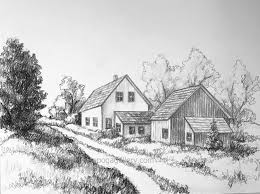
The Art of Pencil Drawing
Pencil drawing is a timeless and versatile art form that has captivated artists and art enthusiasts for centuries. With just a simple pencil and paper, artists can create stunning works of art that range from realistic portraits to imaginative landscapes.
One of the key advantages of pencil drawing is its accessibility. Pencils are affordable and widely available, making it easy for anyone to start exploring their creativity through drawing. Whether you are a beginner or an experienced artist, pencil drawing offers endless possibilities for artistic expression.
When it comes to pencil drawing techniques, artists have a variety of tools at their disposal. From different types of pencils (such as graphite pencils, charcoal pencils, and colored pencils) to blending tools like tortillons and blending stumps, artists can experiment with various textures and shading effects to bring their drawings to life.
One of the most appealing aspects of pencil drawing is its ability to capture fine details with precision. Artists can achieve intricate textures, subtle gradients, and expressive lines by varying the pressure and angle of their pencil strokes. This level of control allows artists to create highly realistic drawings that showcase their skill and attention to detail.
Whether you prefer sketching quick studies or spending hours on a detailed masterpiece, pencil drawing offers a rewarding creative outlet for artists of all levels. The simplicity of the medium combined with the endless possibilities for experimentation make pencil drawing a beloved art form that continues to inspire and delight audiences around the world.
So grab your favorite pencil, sharpen your skills, and let your imagination take flight as you explore the captivating world of pencil drawing!
Top 8 FAQs About Pencil Drawing: Techniques, Tools, and Tips for Beginners
- How do you draw pencils?
- How do you make beautiful pencil drawings?
- How do you sketch for beginners?
- How to learn pencil drawing for beginners?
- What is a pencil art drawing called?
- What is a pencil drawing called?
- What are the five rules of drawing?
- Which pencil is best for drawing 2B or 4b or 6B?
How do you draw pencils?
Drawing pencils involves more than just putting pencil to paper; it’s about understanding the nuances of shading, texture, and composition to bring your artwork to life. To draw with pencils effectively, start by selecting the right type of pencil for your desired effect, whether it’s a soft graphite pencil for smooth shading or a hard charcoal pencil for crisp lines. Experiment with different techniques like hatching, cross-hatching, and blending to create depth and dimension in your drawings. Practice sketching regularly to improve your hand-eye coordination and develop a keen sense of observation. Remember, drawing with pencils is not just about creating an image but also about expressing yourself creatively through each stroke and mark you make on the page.
How do you make beautiful pencil drawings?
Creating beautiful pencil drawings requires a combination of skill, practice, and creativity. To make your pencil drawings stand out, start by mastering basic drawing techniques such as shading, blending, and creating textures. Experiment with different pencil grades to achieve varying tones and depths in your drawings. Pay attention to details and proportions to ensure accuracy and realism in your artwork. Practice regularly to improve your hand-eye coordination and develop your own unique style. Remember that patience and perseverance are key when striving to create beautiful pencil drawings that truly capture the essence of your subject.
How do you sketch for beginners?
For beginners looking to start sketching, the key is to begin with simple shapes and lines to build confidence and develop basic drawing skills. Start by practicing basic shapes like circles, squares, and triangles to get a feel for proportions and composition. Gradually progress to sketching objects or scenes that interest you, focusing on capturing the overall form before adding details. Experiment with different pencil grades and shading techniques to create depth and dimension in your sketches. Remember, practice is essential, so don’t be afraid to make mistakes and keep refining your skills through consistent practice and observation of the world around you.
How to learn pencil drawing for beginners?
For beginners looking to learn pencil drawing, the key is to start with the basics and practice regularly. Begin by familiarizing yourself with different pencil grades, shading techniques, and basic shapes. Consider taking online tutorials or enrolling in a beginner’s drawing class to learn foundational skills and gain confidence in your abilities. Experiment with different subjects and styles to find what interests you most and don’t be afraid to make mistakes – they are all part of the learning process. Remember that practice is essential, so dedicate time each day to sketching and refining your skills. With patience, dedication, and a willingness to learn, beginners can develop their pencil drawing abilities and unlock their artistic potential.
What is a pencil art drawing called?
A pencil art drawing is commonly referred to as a graphite drawing or simply a pencil drawing. Graphite, the material inside pencils that leaves marks on paper, is the primary medium used in creating these artworks. Pencil drawings encompass a wide range of styles and techniques, from realistic portraits to abstract compositions, showcasing the versatility and expressive potential of this traditional art form. Artists often use different grades of pencils to achieve varying levels of darkness and texture in their drawings, allowing them to convey depth, light, and emotion through their intricate pencil work.
What is a pencil drawing called?
A pencil drawing is commonly referred to simply as a “pencil drawing.” It is a form of art created using pencils on paper, where artists use varying techniques to produce images, ranging from realistic portraits to abstract designs. The term “pencil drawing” encompasses a wide range of styles and approaches, allowing artists to express their creativity and vision through the medium of graphite or colored pencils.
What are the five rules of drawing?
When it comes to the art of drawing, there are five fundamental rules that can help guide artists towards creating compelling and well-executed artworks. The first rule is to observe and study your subject closely, paying attention to details such as shapes, proportions, and textures. The second rule emphasizes the importance of practicing regularly to improve your skills and develop your unique style. The third rule encourages artists to experiment with different techniques and mediums to expand their creative horizons. The fourth rule highlights the significance of understanding composition and design principles to create visually engaging drawings. Lastly, the fifth rule reminds artists to stay patient and persistent in their artistic journey, embracing mistakes as opportunities for growth and learning. By following these five rules of drawing, artists can enhance their abilities, unleash their creativity, and produce artwork that resonates with viewers.
Which pencil is best for drawing 2B or 4b or 6B?
When it comes to choosing the best pencil for drawing, whether it’s 2B, 4B, or 6B, the decision often depends on the artist’s preferences and the desired effect in their artwork. Each pencil grade offers a different level of darkness and texture to drawings. The 2B pencil is great for fine lines and shading with a medium darkness, while the 4B pencil provides darker tones and softer lines ideal for creating depth and contrast. On the other hand, the 6B pencil produces rich, dark shades and bold lines, perfect for dramatic effects and expressive drawings. Ultimately, artists may experiment with different pencil grades to discover which one suits their style and artistic vision best.