
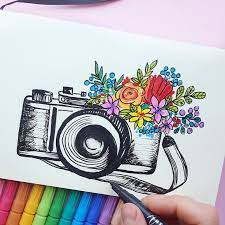
Creative Drawing: A Guide to Making Art Your Own
Creative drawing is more than copying what you see. It’s a way to explore ideas, tell stories, and express how you experience the world. Whether you’re sketching with a pencil, drawing digitally, or experimenting with unexpected materials, creativity begins with curiosity—not perfection.
What Is Creative Drawing?
Creative drawing combines observation, imagination, and personal expression. You might draw a familiar object from an unusual angle, invent a character, or turn a simple shape into a detailed scene. There are no strict rules about what the result should look like. The goal is to experiment, make choices, and discover possibilities through the process.
Start with Simple Ideas
You don’t need a complicated concept to begin. Pick an everyday subject, such as a houseplant, a coffee mug, or a pair of shoes. Draw it as you see it, then try a few variations: change its size, give it a new setting, or imagine how it might look in a different style.
Prompts can also help when you’re unsure what to draw. Try one of these:
- Draw an animal that combines the features of three different creatures.
- Turn a random collection of shapes into a landscape.
- Imagine what your neighborhood might look like on another planet.
- Draw an object without lifting your pencil from the page.
- Create a character using only circles, squares, and triangles.
Experiment with Tools and Techniques
Creative drawing doesn’t require expensive supplies. A pencil and paper are enough to get started, but trying different tools can lead to new ideas. Colored pencils, markers, charcoal, ink, and digital brushes each create distinct lines and textures. You can also combine materials—for example, drawing in ink over a light watercolor wash.
Explore how marks change the mood of a picture. Short, energetic lines may feel lively, while smooth, even lines can feel calm. Shading can add depth, and repeated patterns can create rhythm. Let your materials guide some of your decisions rather than planning every detail in advance.
Use Observation and Imagination Together
Looking closely at real objects helps develop drawing skills, but observation doesn’t have to limit your imagination. Notice a subject’s shape, texture, and proportions, then decide what to keep, exaggerate, or transform. A realistic sketch can become the starting point for a playful or surreal drawing.
One useful exercise is to study an object for a minute, put it away, and draw it from memory. Then look at the object again and add details you missed. This helps you notice what you tend to remember—and gives you ideas about how to simplify or alter what you see.
Make Room for Mistakes
Not every drawing will turn out as expected, and that’s part of creating. A crooked line might suggest movement. An accidental smudge might become a shadow or a new shape. Instead of erasing every surprise, pause and consider whether it could take the drawing in an interesting direction.
Keeping a sketchbook can make it easier to experiment. Use it for quick studies, unfinished ideas, and playful tests. When every page doesn’t need to be a finished artwork, it becomes easier to take creative risks and build confidence.
Build a Regular Drawing Habit
Short, consistent practice can be more helpful than waiting for inspiration. Set aside ten minutes to sketch, fill a page with variations on one idea, or draw something you notice during the day. The purpose isn’t to produce a masterpiece each time. It’s to stay engaged with the process and learn through repetition.
Find Your Own Style
A personal style develops over time through the subjects you choose, the marks you make, and the ideas you return to. You don’t need to define it right away. Try different approaches, learn from artists whose work you admire, and adapt what interests you into something that feels personal.
Keep Creating
Creative drawing is an invitation to notice, imagine, and play. Begin with a simple mark, follow an interesting idea, and allow the drawing to change as you work. With curiosity and practice, each page can become a place to explore new ways of seeing.
8 Creative Drawing Tips to Spark Your Artistic Imagination
- Draw from unusual angles.
- Mix smooth lines with rough textures.
- Use everyday objects as inspiration.
- Try a limited color palette.
- Let happy accidents guide you.
- Combine realistic and abstract shapes.
- Fill a page with quick sketches.
- Experiment with different tools.
Draw from unusual angles.
Try drawing a familiar subject from an unusual angle to make it feel fresh and surprising. Look at it from directly above, close to the ground, or from behind, and notice how its shapes and proportions change. This exercise encourages you to observe more carefully, break away from familiar outlines, and discover new ways to compose your drawing.
Mix smooth lines with rough textures.
Mixing smooth lines with rough textures can make a drawing feel more lively and expressive. Use clean, flowing lines to define a subject’s shape, then add rough marks, hatching, or speckled shading to suggest texture and contrast. For example, smooth outlines paired with scratchy strokes can make a soft fabric, weathered surface, or windswept landscape feel more vivid. Experiment with different marks and let the contrast guide the viewer’s eye.
Use everyday objects as inspiration.
Everyday objects can be surprisingly rich sources of drawing inspiration. Choose something nearby—a coffee mug, houseplant, pair of shoes, or set of keys—and look closely at its shapes, textures, and details. Then try drawing it from an unusual angle, changing its proportions, or imagining it in a different setting. Turning familiar objects into something unexpected is a simple way to spark ideas and make your creative drawing practice more personal.
Try a limited color palette.
Try a limited color palette by choosing just a few colors before you start drawing. Working with fewer hues can make your artwork feel more cohesive, help important details stand out, and encourage you to experiment with contrast and mood. For example, combine two complementary colors with a neutral, or use several shades of one color for a calm, unified effect. You can always adjust your palette as you go, but starting with limits can spark fresh ideas.
Let happy accidents guide you.
Let happy accidents guide you by treating unexpected marks, smudges, and shapes as opportunities rather than mistakes. A stray line might become a branch, a shadow, or the start of a new character. Pause, look at what has appeared, and ask how it could take your drawing in an interesting direction. Staying open to surprises can make your work more playful and help you discover ideas you might not have planned.
Combine realistic and abstract shapes.
Combining realistic and abstract shapes can make a drawing feel surprising and full of energy. Start with a recognizable subject, such as a face, flower, or building, then surround or overlap it with unexpected lines, patterns, and geometric forms. You might keep the subject’s details lifelike while simplifying its background into bold shapes, or distort part of the subject to create a dreamlike effect. Experiment with contrast, scale, and placement to find a balance that feels intentional while still leaving room for imagination.
Fill a page with quick sketches.
Fill a page with quick sketches to loosen up and generate ideas without worrying about making a perfect drawing. Set a short timer and draw simple shapes, objects, or characters, spending only a minute or two on each one. The fast pace encourages experimentation, helps you practice observing details, and may reveal an idea you want to develop further.
Experiment with different tools.
Experimenting with different tools can bring fresh ideas to your creative drawing. Try pencils, markers, charcoal, ink, colored pencils, or digital brushes to see how each one changes your lines, textures, and overall mood. You can also combine materials—for example, layering marker over pencil or adding ink details to a watercolor wash. There’s no need for special supplies; even a basic pen or an unconventional tool can help you discover new ways to make marks and express your ideas.