
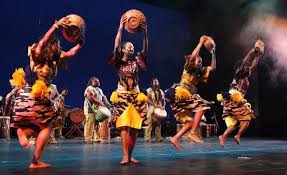
Dance Music: Rhythm, Movement, and Connection
Dance music is made to move people. Its steady rhythms, memorable melodies, and carefully shaped energy invite listeners to tap their feet, step onto a dance floor, or simply enjoy the beat. It spans a wide range of styles, from electronic dance music and disco to house, techno, salsa, and pop.
A Brief History
Dance music has roots in communities around the world. Folk dances, ceremonial music, and social gatherings have long brought people together through rhythm and movement. In the 20th century, recorded music, radio, and nightclubs helped new dance styles reach larger audiences.
Disco became a major force in the 1970s, pairing strong grooves with orchestral arrangements and club culture. In the decades that followed, electronic instruments and production tools helped shape genres such as house and techno. These styles grew from local scenes and went on to influence popular music worldwide. Today, dance music continues to evolve through new technology and the exchange of ideas across cultures.
What Makes Music Danceable?
There is no single formula for a dance track, but many share features that encourage movement. A clear, repeating pulse helps listeners find the beat. Percussion and bass add momentum, while melodies, harmonies, and changes in texture keep the music engaging.
Producers and musicians often build a track over time, adding or removing sounds to create anticipation and release. A rising section may lead to a powerful chorus or instrumental passage, while a quieter break gives dancers a moment to catch their breath. These shifts make the music feel dynamic without losing its rhythmic foundation.
A Wide Range of Styles
Dance music is not one genre. House is often associated with a consistent beat and warm, repeating grooves. Techno tends to emphasize electronic textures and hypnotic patterns. Disco draws on lively bass lines, strings, and soulful vocals. Latin dance styles, including salsa and merengue, use distinctive rhythms shaped by rich musical traditions. Pop songs, hip-hop, and many other genres also incorporate dance-focused beats.
Each style offers a different kind of movement and atmosphere. Some tracks suit energetic group dancing; others create a relaxed, steady groove. The music can be performed by live bands, DJs, solo artists, or a combination of musicians and electronic tools.
The Role of DJs and Producers
DJs help shape the experience of dance music by selecting and blending tracks for an audience. They pay attention to tempo, mood, and flow, creating a continuous musical journey rather than a series of isolated songs. Producers, meanwhile, compose and arrange tracks, recording instruments, programming beats, and shaping sounds in the studio.
In many cases, the roles overlap. A DJ may also produce original music, and a producer may perform a live set. Together, these artists help connect recorded music with the energy of a crowd.
More Than a Beat
Dance music can be a form of self-expression, celebration, and community. A dance floor brings people together through shared movement, even when they speak different languages or come from different backgrounds. For some, dancing is a social activity; for others, it is exercise, performance, or a personal way to respond to sound.
The culture surrounding dance music also reflects the communities that create it. Clubs, festivals, street parties, and local events provide spaces for artists and audiences to meet. Respecting the history and cultural roots of different styles helps listeners appreciate the music beyond its sound.
An Ever-Changing Sound
New instruments, software, and online platforms continue to expand what dance music can be. Artists combine acoustic and electronic sounds, draw inspiration from global traditions, and experiment with unusual rhythms and structures. At the same time, the basic appeal remains familiar: a compelling beat, a sense of shared energy, and the freedom to move.
Whether heard through headphones, at a concert, or in a crowded club, dance music turns rhythm into an invitation. Its styles may change, but its ability to bring people together remains one of its most enduring qualities.
6 Reasons Dance Music Moves You: From Boosting Mood to Inspiring Creativity
- Encourages movement and exercise.
- Can boost mood and energy.
- Brings people together.
- Offers diverse styles and rhythms.
- Creates lively social experiences.
- Inspires creativity and self-expression.
5 Drawbacks of Dance Music: From Hearing Risks to High Costs
- Loud volumes can damage hearing.
- Some venues can feel overcrowded.
- Late events may disrupt sleep.
- Concerts and festivals can be expensive.
- Repetitive beats may not suit everyone.
Encourages movement and exercise.
Dance music encourages movement by giving people a steady beat and an energetic reason to get up and move. Dancing can raise the heart rate, improve coordination, and help build stamina, making exercise feel more enjoyable and less like a chore. Whether people dance at home, in a class, or at a social event, moving to music is a fun way to stay active.
Can boost mood and energy.
Dance music can give your mood and energy a lift. Its upbeat rhythms, lively melodies, and steady beats can make you feel more alert and motivated, whether you’re dancing, exercising, or getting through a busy day. A favorite track can also offer a quick emotional reset, helping turn an ordinary moment into something more positive and energized.
Brings people together.
Dance music brings people together by giving them a shared rhythm and a reason to move, celebrate, and connect. At concerts, clubs, festivals, and community events, people from different backgrounds can enjoy the same beat and feel part of a group. Dancing side by side can spark new friendships, strengthen community bonds, and create joyful memories.
Offers diverse styles and rhythms.
Dance music offers an impressive variety of styles and rhythms, so there’s something for nearly every mood and taste. From the steady pulse of house and techno to the lively beats of salsa and the groove of disco, each style brings its own sounds, traditions, and ways to move. This diversity gives listeners the freedom to explore new music, find rhythms they enjoy, and experience dance in their own way.
Creates lively social experiences.
Dance music creates lively social experiences by bringing people together through rhythm, movement, and shared energy. At parties, clubs, festivals, and community events, an engaging beat can encourage guests to dance, interact, and feel part of the crowd. Whether people are longtime friends or meeting for the first time, dancing offers an easy way to connect, celebrate, and enjoy the moment together.
Inspires creativity and self-expression.
Dance music inspires creativity and self-expression by giving people an energizing space to move, experiment, and show their individuality. Dancers can interpret the same beat in countless ways, using movement to express emotions, tell stories, or create their own style. Its variety of rhythms and sounds also encourages musicians, DJs, and listeners to explore new ideas and combine influences. Whether through dancing, making music, or simply responding to a favorite track, people can use dance music to express who they are.
Loud volumes can damage hearing.
Loud volumes are a common risk at dance music events, where speakers and headphones can expose listeners to intense sound for extended periods. This can lead to ringing in the ears, temporary hearing loss, or lasting damage. Keeping a safe distance from speakers, taking breaks in quieter areas, and using well-fitted earplugs can help protect hearing while still letting people enjoy the music.
Some venues can feel overcrowded.
Some dance music venues can feel overcrowded, especially during popular events or peak hours. Packed spaces may make it difficult to move comfortably, find friends, or reach exits and facilities. Crowding can also reduce ventilation and increase discomfort, making it harder to enjoy the music and dance safely. Checking venue capacity, arriving early, and following staff guidance can help create a more comfortable experience.
Late events may disrupt sleep.
Late-night dance music events can interfere with healthy sleep routines. Loud music, bright lights, and the excitement of being out can make it harder to wind down, while getting home late may shorten the time available for rest. When this happens regularly, people may feel tired, less focused, or irritable the next day. Planning ahead—such as choosing earlier events or setting aside enough time to recover—can help reduce the impact.
Concerts and festivals can be expensive.
Concerts and festivals can be expensive, especially when ticket prices are combined with travel, food, lodging, and other fees. Popular events may sell out quickly, and costs can make it difficult for some fans to attend. Planning ahead, looking for local shows, and checking for discounted or free events can help make enjoying dance music more affordable.
Repetitive beats may not suit everyone.
Repetitive beats are a defining feature of many dance music styles, helping create a steady rhythm for movement, but they may not appeal to every listener. Tracks that rely on recurring patterns can feel predictable or monotonous to people who prefer frequent changes in tempo, melody, or structure. As a result, some listeners may find it difficult to stay engaged, especially during longer songs or DJ sets.