
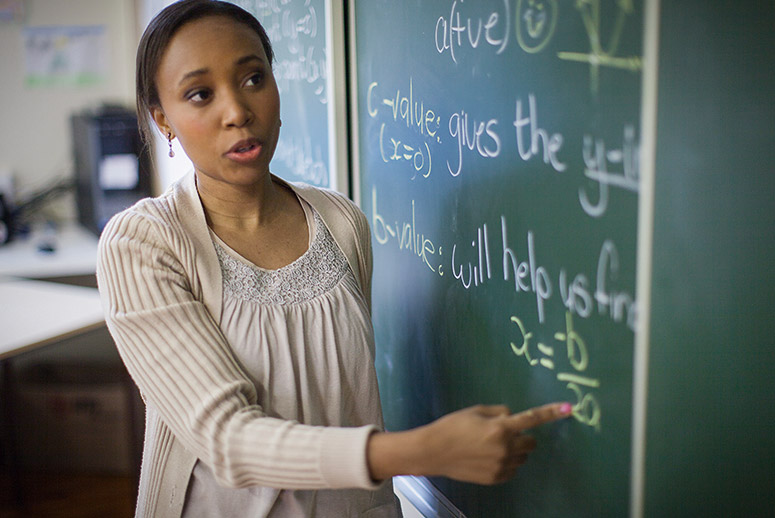
The Student-Teacher Relationship: A Foundation for Learning
One of the most crucial dynamics in education is the relationship between a student and their teacher. This bond plays a fundamental role in shaping a student’s academic success, personal development, and overall well-being.
Teachers are not just educators; they are mentors, guides, and role models who have the power to inspire and influence their students in profound ways. A positive student-teacher relationship fosters trust, respect, and open communication, creating an environment where learning thrives.
For students, having a supportive and caring teacher can make all the difference in their educational journey. Teachers who take the time to understand their students’ strengths, challenges, and interests can tailor their instruction to meet individual needs and provide personalized guidance.
On the other hand, students also play a crucial role in nurturing this relationship. Active participation, respect for authority, willingness to learn, and open communication are essential qualities that contribute to a positive student-teacher dynamic.
Research has shown that strong student-teacher relationships lead to improved academic performance, higher motivation levels, enhanced social skills, and increased self-esteem among students. When students feel valued and supported by their teachers, they are more likely to engage in learning activities enthusiastically and take ownership of their education.
Building a positive student-teacher relationship requires effort from both parties. Teachers must create a welcoming classroom environment where every student feels heard and respected. They should show empathy, patience, and genuine interest in their students’ well-being beyond academics.
Students can contribute to this relationship by being proactive in seeking help when needed, actively participating in class discussions, showing appreciation for their teachers’ efforts, and demonstrating a willingness to learn from constructive feedback.
In conclusion, the student-teacher relationship is a cornerstone of effective teaching and learning. By fostering mutual respect, trust, and understanding between teachers and students, we create an educational environment where every individual has the opportunity to reach their full potential.
7 Essential Tips for Student Teachers: Building Success in the Classroom
- Establish clear expectations from the beginning.
- Communicate effectively with students, parents, and colleagues.
- Be organized and prepared for each lesson.
- Seek feedback from experienced teachers to improve your teaching skills.
- Build positive relationships with your students to create a supportive learning environment.
- Continuously reflect on your teaching practices and make adjustments as needed.
- Take care of yourself and prioritize self-care to avoid burnout.
Establish clear expectations from the beginning.
Establishing clear expectations from the beginning is a key tip for fostering a positive student-teacher relationship. By clearly outlining academic goals, behavioral guidelines, communication protocols, and assessment criteria at the start of the school year or course, both students and teachers can align their efforts towards a shared understanding of what is expected. This proactive approach helps set a foundation of mutual respect, accountability, and transparency, creating a supportive learning environment where everyone knows their roles and responsibilities from day one.
Communicate effectively with students, parents, and colleagues.
Effective communication is key in the student-teacher dynamic. It is essential for teachers to communicate clearly and openly with their students, parents, and colleagues to build strong relationships and ensure a supportive learning environment. By maintaining open lines of communication, teachers can address concerns, provide feedback, share important information, and collaborate effectively with all stakeholders involved in the educational process. Clear communication fosters trust, understanding, and cooperation, ultimately enhancing the overall learning experience for everyone involved.
Be organized and prepared for each lesson.
Being organized and prepared for each lesson is a crucial tip for both students and teachers to maximize the effectiveness of the learning experience. For teachers, proper planning ensures that lessons are well-structured, engaging, and tailored to meet the needs of all students. It allows educators to anticipate potential challenges, adapt their teaching strategies as needed, and provide a conducive learning environment. On the other hand, students who come to class prepared demonstrate responsibility and commitment to their education. By reviewing materials beforehand, completing assignments on time, and actively participating in discussions, students can make the most out of each lesson and deepen their understanding of the subject matter. Overall, being organized and prepared sets the stage for productive learning interactions between students and teachers.
Seek feedback from experienced teachers to improve your teaching skills.
Seeking feedback from experienced teachers is a valuable tip for student teachers looking to enhance their teaching skills. By actively soliciting advice and insights from seasoned educators, student teachers can gain valuable perspectives, identify areas for growth, and refine their instructional techniques. Constructive feedback from experienced teachers can provide invaluable guidance on classroom management, lesson planning, student engagement strategies, and overall professional development. Embracing feedback as a tool for continuous improvement can help student teachers cultivate their teaching abilities and become more effective educators in the future.
Build positive relationships with your students to create a supportive learning environment.
Building positive relationships with students is a key tip for teachers to create a supportive learning environment. When teachers establish strong connections with their students based on trust, respect, and understanding, it paves the way for effective communication, personalized guidance, and a sense of belonging in the classroom. These relationships not only enhance students’ academic performance but also contribute to their overall well-being and motivation to learn. By fostering a supportive and nurturing atmosphere through positive interactions, teachers can empower their students to thrive and reach their full potential.
Continuously reflect on your teaching practices and make adjustments as needed.
Continuously reflecting on your teaching practices and making adjustments as needed is a crucial tip for student teachers. By regularly evaluating the effectiveness of your teaching methods, lesson plans, and classroom management strategies, you can identify areas for improvement and enhance the learning experience for your students. Reflective practice allows student teachers to learn from their experiences, seek feedback from mentors and peers, and adapt their approach to better meet the diverse needs of their students. Embracing a mindset of continuous improvement not only benefits the students’ academic growth but also fosters professional development and confidence in one’s teaching abilities.
Take care of yourself and prioritize self-care to avoid burnout.
Taking care of oneself and prioritizing self-care is essential for student teachers to avoid burnout. The demands of teaching can be intense, and it’s easy to neglect personal well-being while focusing on the needs of students. By practicing self-care, such as getting enough rest, engaging in hobbies, seeking support from peers, and setting boundaries, student teachers can recharge their energy levels, maintain a healthy work-life balance, and prevent burnout. Remembering to prioritize self-care not only benefits the individual but also enhances their effectiveness as a teacher by promoting resilience and overall well-being.