
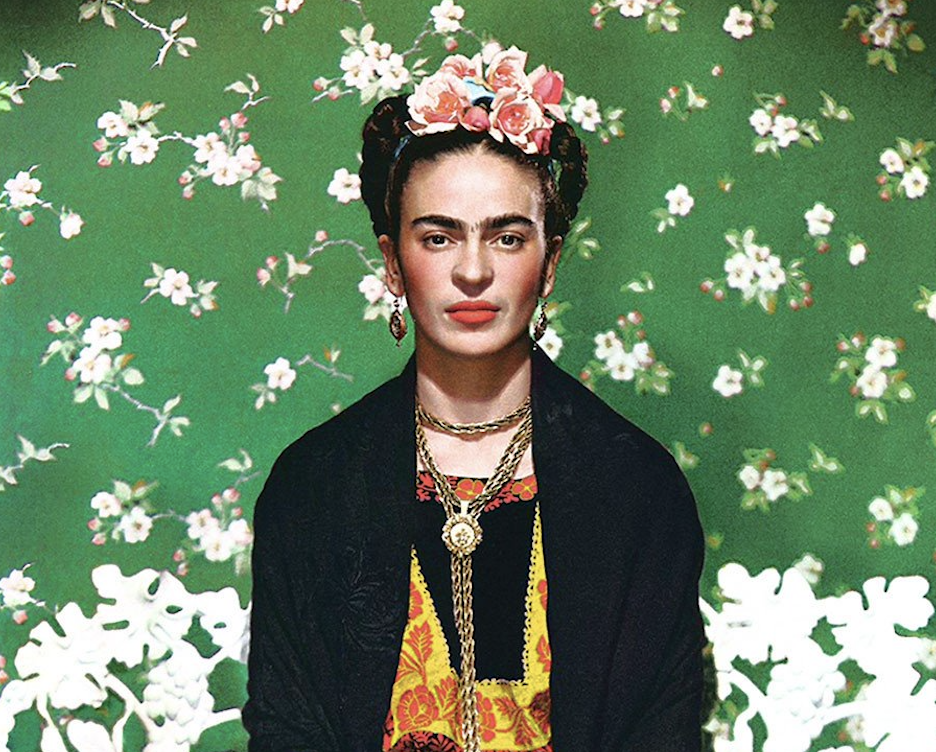
The Life and Art of Frida Kahlo
Frida Kahlo, a renowned Mexican artist, is celebrated for her powerful and emotive self-portraits that delve into themes of identity, gender, and culture. Born in 1907 in Coyoacán, Mexico City, Kahlo’s life was marked by physical and emotional struggles that deeply influenced her art.
At the age of 18, Kahlo was involved in a bus accident that left her with severe injuries and chronic pain for the rest of her life. During her long recovery period, she turned to painting as a form of therapy and self-expression. This marked the beginning of her iconic artistic journey.
Kahlo’s paintings often feature vivid colors, symbolic imagery, and intricate details that reflect her inner turmoil and external experiences. Her self-portraits are raw and honest representations of herself, often depicting her physical disabilities and emotional anguish.
Throughout her career, Kahlo explored themes such as feminism, indigenous culture, politics, and Mexican identity. She incorporated elements of traditional Mexican folk art into her work, creating a unique style that has captivated audiences around the world.
Despite facing numerous challenges in her personal life, including a tumultuous marriage to fellow artist Diego Rivera, Kahlo remained resilient and continued to create art that resonated with many. Her legacy extends beyond the art world; she is considered an icon of strength, creativity, and individuality.
Today, Frida Kahlo’s work continues to inspire artists and admirers alike. Her impact on the art world is undeniable, as she broke boundaries and defied conventions through her bold artistic vision. Through her artistry and spirit, Kahlo remains a timeless figure whose influence transcends generations.
Frida Kahlo: A Resilient Icon of Art, Identity, and Inspiration
- Renowned Mexican artist
- Known for powerful and emotive self-portraits
- Delved into themes of identity, gender, and culture
- Overcame physical and emotional struggles
- Used painting as therapy and self-expression
- Unique style with vivid colors and symbolic imagery
- Explored feminism, indigenous culture, politics, and Mexican identity
- Resilient in the face of personal challenges
- Inspires artists and admirers worldwide
Exploring the Limitations: A Critical Look at Kahlo’s Art
Renowned Mexican artist
Frida Kahlo is widely recognized as a renowned Mexican artist whose impactful and emotive works have left an indelible mark on the art world. Her unique style, powerful self-portraits, and exploration of themes such as identity, culture, and feminism have solidified her place as a pioneering figure in the realm of art. Kahlo’s ability to infuse her Mexican heritage and personal experiences into her art has garnered international acclaim and admiration, making her a symbol of artistic excellence and cultural pride.
Known for powerful and emotive self-portraits
Frida Kahlo is widely recognized for her exceptional ability to create powerful and emotive self-portraits that resonate deeply with viewers. Through her art, Kahlo skillfully captured raw emotions and inner struggles, offering a poignant glimpse into her personal experiences and identity. Her self-portraits are not merely reflections of physical appearances but serve as profound expressions of resilience, vulnerability, and self-awareness. By infusing her works with intense emotion and symbolism, Kahlo has left a lasting impact on the art world, solidifying her reputation as a masterful artist whose introspective portraits continue to captivate audiences worldwide.
Delved into themes of identity, gender, and culture
Frida Kahlo’s exploration of themes related to identity, gender, and culture in her artwork was a profound and revolutionary aspect of her artistic practice. Through her powerful self-portraits and symbolic imagery, Kahlo fearlessly delved into the complexities of personal identity, challenging traditional notions of femininity and cultural stereotypes. By addressing issues such as gender inequality, societal expectations, and the intersectionality of identity, Kahlo’s art not only reflected her own experiences but also sparked important conversations about diversity, empowerment, and social justice. Her bold exploration of these themes continues to inspire contemporary artists and audiences to reflect on their own identities and the broader cultural landscape.
Overcame physical and emotional struggles
Frida Kahlo’s remarkable ability to overcome profound physical and emotional struggles serves as a testament to her unwavering resilience and determination. Despite enduring a life-altering bus accident that left her with chronic pain and disabilities, Kahlo channeled her suffering into her art, creating powerful and introspective works that captured the depth of her experiences. Through her paintings, she not only confronted her own pain but also connected with audiences on a deeply emotional level, inspiring countless individuals to find strength in the face of adversity. Kahlo’s ability to transcend her personal challenges and transform them into art remains a shining example of courage and creativity for generations to come.
Used painting as therapy and self-expression
Frida Kahlo’s utilization of painting as a form of therapy and self-expression stands as a profound testament to the healing power of art. Following a life-altering bus accident that left her physically and emotionally scarred, Kahlo turned to her canvas to channel her pain and emotions into powerful works of art. Through her paintings, she found a voice to express her innermost struggles, fears, and desires, transforming her suffering into poignant masterpieces that continue to resonate with audiences worldwide. Kahlo’s ability to transmute personal turmoil into artistic beauty not only exemplifies the cathartic nature of creativity but also underscores the transformative potential of art in fostering resilience and emotional healing.
Unique style with vivid colors and symbolic imagery
Frida Kahlo’s unique artistic style, characterized by vibrant colors and symbolic imagery, sets her apart as a truly distinctive and influential artist. Through her use of bold and expressive hues, combined with intricate symbols and motifs, Kahlo created a visual language that spoke volumes about her innermost thoughts, emotions, and experiences. Each brushstroke and color choice in her paintings served a purpose, conveying layers of meaning that resonate with viewers on a profound level. Kahlo’s ability to infuse her work with such vividness and symbolism not only showcases her technical skill but also highlights her unparalleled talent for storytelling through art.
Explored feminism, indigenous culture, politics, and Mexican identity
Frida Kahlo’s exploration of feminism, indigenous culture, politics, and Mexican identity in her art exemplifies her profound commitment to addressing societal issues and championing marginalized voices. Through her powerful paintings, Kahlo shed light on the struggles faced by women, indigenous communities, and the Mexican people, advocating for social justice and equality. By intertwining these themes in her work, she not only showcased the richness of Mexican culture but also sparked important conversations about gender, heritage, and political activism that continue to resonate with audiences worldwide. Kahlo’s bold artistic expression serves as a testament to her unwavering dedication to using art as a tool for social change and cultural empowerment.
Resilient in the face of personal challenges
Frida Kahlo exemplified remarkable resilience in the face of profound personal challenges throughout her life. Despite enduring chronic pain from a debilitating bus accident, navigating a tumultuous marriage with Diego Rivera, and confronting societal norms and expectations, Kahlo’s determination and strength shone through in her artistry. She channeled her struggles into powerful self-portraits that not only captured her physical and emotional pain but also conveyed a message of resilience and defiance. Kahlo’s ability to persevere through adversity and transform her pain into art is a testament to her unwavering spirit and enduring legacy as an icon of strength and courage.
Inspires artists and admirers worldwide
Frida Kahlo’s profound ability to inspire artists and admirers worldwide is a testament to the enduring impact of her artistry. Through her emotionally charged self-portraits, Kahlo not only captured the essence of her own struggles and triumphs but also resonated with individuals across cultures and generations. Her fearless approach to exploring themes of identity, pain, and resilience has served as a beacon for artists seeking to infuse their work with authenticity and depth. By fearlessly baring her soul on canvas, Kahlo continues to ignite creativity and passion in those who admire her unique vision and unwavering spirit.
Limited subject matter
Some critics argue that Frida Kahlo’s focus on self-portraiture and personal themes can be limiting, as it may overshadow other aspects of her artistic potential. While Kahlo’s intense exploration of her own identity and experiences has resulted in powerful and emotionally charged artworks, some believe that her concentration on self-portraits has restricted her artistic range and prevented her from delving into a broader spectrum of subjects. Critics suggest that by constantly portraying herself, Kahlo may have missed opportunities to explore diverse themes and styles that could have showcased her versatility as an artist.
Repetitive imagery
Some detractors of Frida Kahlo’s art criticize her for the repetitive use of certain symbols and motifs in her paintings, including monkeys, thorns, and flowers. They argue that this recurring imagery can make her work seem predictable and lacking in originality. While Kahlo’s use of these symbols holds personal significance and cultural references for her, some viewers find the repetition to be a limitation that hinders the overall impact and depth of her artistic expression.
Overemphasis on pain and suffering
Some viewers criticize Frida Kahlo’s art for its overemphasis on pain and suffering, arguing that the constant portrayal of her physical and emotional struggles can be overwhelming and one-dimensional. While Kahlo’s work is undeniably powerful in its raw depiction of her personal anguish, some feel that a singular focus on suffering may overshadow the complexity and depth of her artistic expression, limiting the interpretation and appreciation of her work to a narrow perspective.