
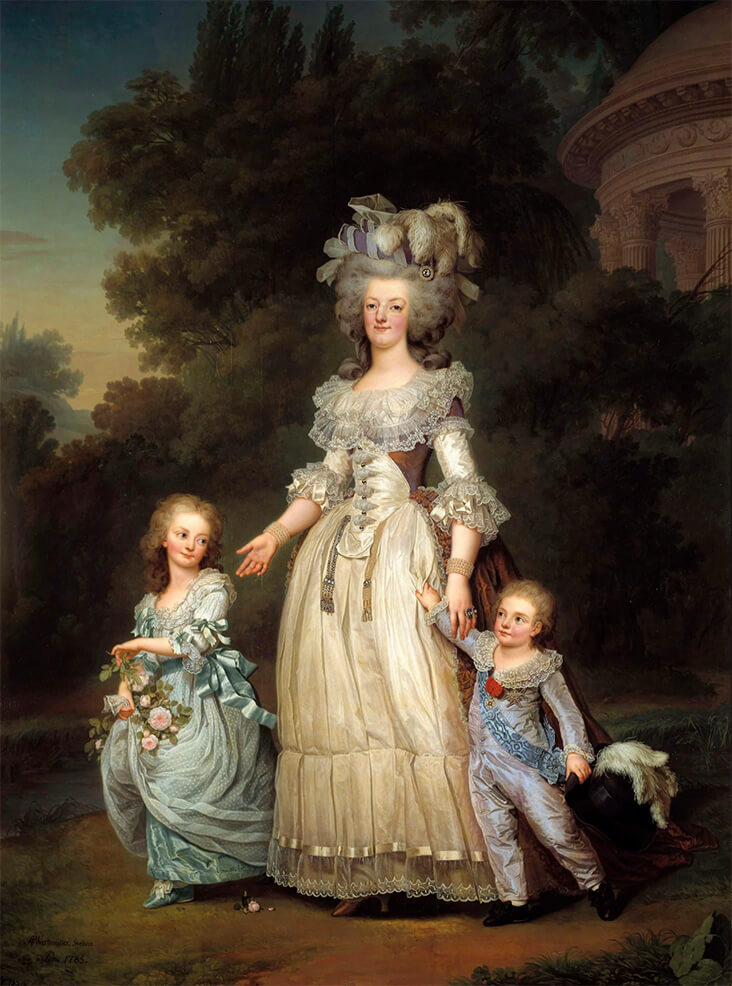
The Rococo Style: A Delicate and Ornate Artistic Movement
The Rococo style, originating in 18th-century France, is known for its delicate and ornate aesthetic that dominated art, architecture, and decorative arts during the period. Characterized by its lightness, elegance, and intricate ornamentation, Rococo art reflects the luxurious and playful spirit of the era.
Rococo artists sought to create a sense of fantasy and escapism through their work, often depicting whimsical scenes of love, nature, and mythology. The style is characterized by its use of pastel colors, asymmetrical designs, curving forms, and elaborate decoration inspired by nature.
One of the most prominent features of Rococo art is its emphasis on gracefulness and refinement. Artists like Jean-Honoré Fragonard and François Boucher were masters of capturing the beauty and charm of everyday life in their paintings, which often depicted romanticized scenes of aristocratic leisure.
In architecture, the Rococo style is evident in the elaborate decorations found in palaces, churches, and grand estates. Intricate stucco work, gilded moldings, and ornate ceiling frescoes are common elements that define Rococo architecture as opulent and extravagant.
Overall, the Rococo style represents a departure from the formalism of the Baroque period towards a more lighthearted and decorative approach to art. It remains a significant chapter in art history that continues to inspire artists and designers with its beauty and charm.
Exploring Rococo: Understanding Its Style, History, and Distinction from Baroque
- Why was Rococo hated?
- Is Marie Antoinette Baroque or Rococo?
- What is the difference between Baroque and Rococo style?
- What defines the Rococo style?
- What is the Rococo period?
- What are 4 characteristics of Rococo?
- What are three characteristics of the Rococo style?
Why was Rococo hated?
The Rococo style faced criticism and disdain for several reasons. One of the main criticisms was its association with extravagance, frivolity, and superficiality, which some critics viewed as a reflection of the decadence and excesses of the aristocracy. The ornate and delicate nature of Rococo art was also seen as a departure from the grandeur and seriousness of previous artistic movements, such as Baroque. Additionally, some critics believed that Rococo’s focus on decorative elements detracted from deeper artistic expression and meaning. The style’s popularity among the elite further fueled resentment among those who saw it as elitist and disconnected from the realities of everyday life. Despite these criticisms, Rococo’s charm and elegance have endured over time, with many appreciating its whimsical beauty and intricate craftsmanship.
Is Marie Antoinette Baroque or Rococo?
The question of whether Marie Antoinette embodies the Baroque or Rococo style is a common inquiry among art enthusiasts and historians. While Marie Antoinette’s reign as Queen of France coincided with the Rococo period, characterized by its lightness, elegance, and ornate decoration, her personal taste and influence also reflected elements of the preceding Baroque era. Marie Antoinette’s affinity for opulent and extravagant fashion, grandiose architecture, and elaborate court rituals often drew inspiration from both Baroque and Rococo aesthetics, blurring the lines between the two artistic movements. Ultimately, Marie Antoinette’s style can be seen as a fusion of Baroque grandeur and Rococo delicacy, showcasing her unique position at the intersection of these two influential periods in art history.
What is the difference between Baroque and Rococo style?
The key difference between Baroque and Rococo styles lies in their artistic characteristics and cultural contexts. Baroque art, originating in the 17th century, is known for its grandeur, drama, and emotional intensity, often featuring bold colors, dynamic compositions, and a sense of movement. In contrast, Rococo art emerged in the 18th century as a more delicate and ornate style characterized by pastel colors, intricate ornamentation, and asymmetrical designs inspired by nature. While Baroque art aimed to evoke awe and grandiosity through its monumental scale and religious themes, Rococo art focused on elegance, gracefulness, and whimsical motifs that reflected the luxurious lifestyle of the aristocracy during the period.
What defines the Rococo style?
The Rococo style is defined by its delicate and ornate aesthetic characterized by lightness, elegance, and intricate ornamentation. This 18th-century artistic movement, originating in France, is known for its emphasis on gracefulness and refinement in art, architecture, and decorative arts. Key features of the Rococo style include pastel colors, asymmetrical designs, curving forms, and elaborate decoration inspired by nature. Artists sought to create a sense of fantasy and escapism through whimsical depictions of love, nature, and mythology. In architecture, Rococo is recognized for its opulent decorations such as intricate stucco work, gilded moldings, and ornate ceiling frescoes found in palaces and grand estates. Overall, the Rococo style represents a departure from the formalism of the Baroque period towards a more lighthearted and decorative approach to art.
What is the Rococo period?
The Rococo period, which emerged in 18th-century France, is a significant artistic movement characterized by its delicate and ornate style. This period is known for its emphasis on lightness, elegance, and intricate ornamentation in art, architecture, and decorative arts. Artists during the Rococo period sought to create a sense of fantasy and escapism through their work, often depicting whimsical scenes of love, nature, and mythology. The Rococo style is distinguished by its use of pastel colors, asymmetrical designs, curving forms, and elaborate decorations inspired by nature. Overall, the Rococo period represents a shift towards a more playful and decorative approach to art compared to the formalism of the preceding Baroque era.
What are 4 characteristics of Rococo?
The Rococo style is defined by several key characteristics that distinguish it from other artistic movements of its time. Four notable features of Rococo art and design include its emphasis on lightness and delicacy, intricate ornamentation inspired by nature, pastel color palettes, and asymmetrical and curvilinear forms. These elements collectively contribute to the overall aesthetic of Rococo, creating a sense of elegance, playfulness, and fantasy that define this ornate artistic movement originating in 18th-century France.
What are three characteristics of the Rococo style?
Three characteristics of the Rococo style include its emphasis on lightness and elegance, intricate ornamentation inspired by nature, and asymmetrical designs. The Rococo style is known for its delicate and ornate aesthetic, featuring pastel colors, curving forms, and elaborate decorations that convey a sense of fantasy and whimsy. Artists and architects during the Rococo period sought to create a graceful and refined atmosphere in their work, often depicting romanticized scenes of leisure and nature with intricate detail and a playful spirit.