
The Life and Art of Frida Kahlo
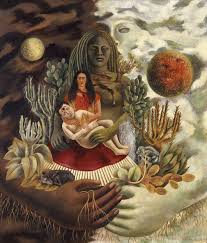
Frida Kahlo, a renowned Mexican artist, is celebrated for her unique and vibrant paintings that reflect her life experiences, emotions, and cultural heritage. Born on July 6, 1907, in Coyoacán, Mexico City, Kahlo’s art is characterized by its surrealistic style and powerful symbolism.
Despite facing numerous challenges throughout her life, including a severe bus accident that left her with lifelong injuries and chronic pain, Kahlo channeled her suffering into her art. Her self-portraits are among her most famous works, depicting not only her physical pain but also her inner turmoil and strength.
Kahlo’s art often explores themes such as identity, gender, politics, and Mexican culture. She was deeply influenced by indigenous Mexican art and folklore, incorporating elements such as traditional dress, symbolism, and vibrant colors into her paintings.
Throughout her career, Kahlo gained recognition for her unique artistic voice and became a prominent figure in the surrealist art movement. Her work continues to inspire artists and audiences around the world with its raw emotion, honesty, and bold expression.
Tragically, Frida Kahlo passed away on July 13, 1954, but her legacy lives on through her powerful artwork and enduring influence on the art world. Today, she is celebrated as one of the most iconic artists of the 20th century whose work transcends boundaries of time and culture.
Exploring the Life and Legacy of Frida Kahlo: 7 Frequently Asked Questions
- 1. Who was Frida Kahlo?
- 2. What is Frida Kahlo known for?
- 3. When and where was Frida Kahlo born?
- 4. What style of art did Frida Kahlo create?
- 5. How did Frida Kahlo’s personal life influence her art?
- 6. What are some famous paintings by Frida Kahlo?
- 7. What impact did Frida Kahlo have on the art world?
1. Who was Frida Kahlo?
Frida Kahlo was a renowned Mexican artist known for her unique and vibrant paintings that reflected her life experiences, emotions, and cultural heritage. Born on July 6, 1907, in Coyoacán, Mexico City, Kahlo’s art is characterized by its surrealistic style and powerful symbolism. She gained recognition for her self-portraits that depicted not only her physical pain but also her inner turmoil and strength. Kahlo’s work often explored themes such as identity, gender, politics, and Mexican culture, drawing inspiration from indigenous Mexican art and folklore. Today, she is celebrated as one of the most iconic artists of the 20th century whose legacy continues to inspire artists and audiences worldwide.
2. What is Frida Kahlo known for?
Frida Kahlo is primarily known for her unique and powerful self-portraits that vividly capture her physical and emotional struggles. She is celebrated for her bold and surrealistic artistic style, as well as her use of symbolism to convey complex themes such as identity, pain, resilience, and Mexican culture. Kahlo’s art is deeply personal and introspective, often reflecting her own experiences with chronic pain, disability, and societal norms. Her iconic paintings have made her a prominent figure in the art world, admired for her raw emotion, honesty, and unapologetic self-expression.
3. When and where was Frida Kahlo born?
Frida Kahlo was born on July 6, 1907, in Coyoacán, Mexico City. Her birthplace holds significance as it is where she spent much of her childhood and where she later established her iconic Casa Azul (Blue House) that now serves as a museum dedicated to her life and art. Kahlo’s birth in Mexico City played a crucial role in shaping her identity as a Mexican artist deeply connected to her cultural roots and heritage, which is evident in the themes and symbols present in her artwork.
4. What style of art did Frida Kahlo create?
Frida Kahlo is known for creating art in a style that is often described as surrealist and symbolic realism. Her paintings are characterized by their vivid colors, intricate details, and deeply personal subject matter. Kahlo’s unique artistic voice combines elements of Mexican folk art, symbolism, and surrealism to convey her emotions, experiences, and cultural identity. Through her self-portraits and other works, she explores themes such as pain, identity, gender, and Mexican heritage, creating a body of work that is both visually striking and emotionally powerful.
5. How did Frida Kahlo’s personal life influence her art?
Frida Kahlo’s personal life had a profound impact on her art, shaping the themes, emotions, and style of her work. Throughout her life, Kahlo experienced physical and emotional pain, including a debilitating bus accident that left her with severe injuries and chronic health issues. These struggles became central motifs in her art, as she used self-portraiture to express her innermost feelings and depict the complexities of her identity. Kahlo’s tumultuous relationships, particularly with her husband, artist Diego Rivera, also influenced her art, often exploring themes of love, betrayal, and resilience. By channeling her personal experiences into her paintings, Kahlo created a body of work that is deeply introspective, emotionally raw, and profoundly impactful.
6. What are some famous paintings by Frida Kahlo?
Frida Kahlo is known for creating several iconic paintings that have left a lasting impact on the art world. Some of her most famous works include “The Two Fridas,” a poignant depiction of her dual identity and emotions; “Self-Portrait with Thorn Necklace and Hummingbird,” which symbolizes pain and resilience; “The Broken Column,” portraying her physical and emotional suffering; and “Self-Portrait as a Tehuana (Diego on My Mind),” showcasing her love for Mexican culture and her relationship with Diego Rivera. These paintings, among many others, showcase Kahlo’s unique style, powerful symbolism, and ability to convey raw emotion through art.
7. What impact did Frida Kahlo have on the art world?
Frida Kahlo had a profound impact on the art world with her unique artistic style, powerful storytelling through self-portraits, and fearless exploration of themes such as identity, pain, and Mexican culture. Her work challenged conventional norms and paved the way for greater representation of women artists in the male-dominated art scene. Kahlo’s raw emotion and bold expression resonated with audiences worldwide, inspiring generations of artists to embrace their personal experiences and cultural heritage in their work. Her legacy continues to influence contemporary art practices, feminist movements, and discussions on identity, making her a timeless icon in the art world.