
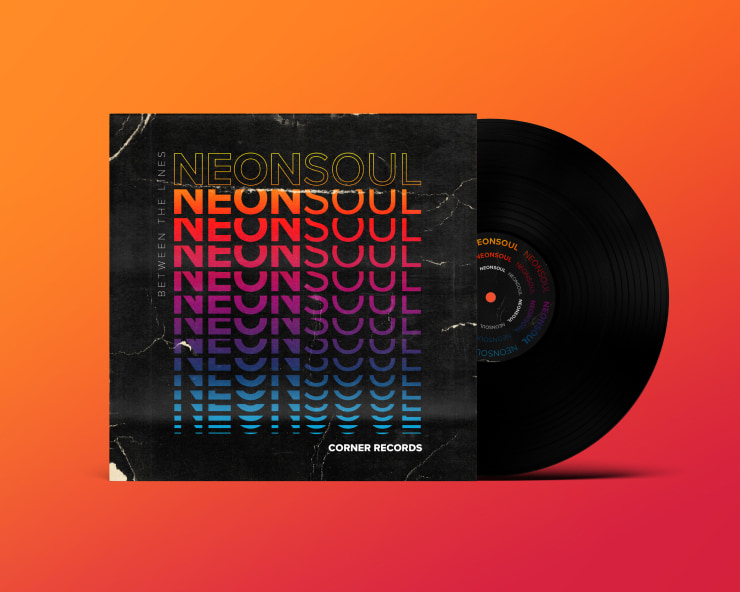
The Art of Album Cover Design
Album cover design is a crucial aspect of music production that often goes unnoticed but plays a significant role in shaping the listener’s perception of the music within. A well-designed album cover has the power to capture the essence of the music, evoke emotions, and create a lasting impression on the audience.
Album cover designers are tasked with translating the music and themes of an album into visual art that not only complements the sound but also conveys a message or story. The design process involves collaboration between musicians, record labels, and talented graphic artists who work together to create a visual representation of the music.
One key element of album cover design is capturing the genre and mood of the music through imagery, color schemes, typography, and overall aesthetic. For example, a heavy metal album might feature dark and intense visuals with bold typography, while a jazz album could showcase elegant and sophisticated designs with subtle colors and intricate details.
Album covers also serve as a marketing tool to attract potential listeners and stand out in a crowded music market. Eye-catching designs can pique curiosity and draw people in to explore the music further. In today’s digital age, where streaming services dominate music consumption, album covers play an essential role in creating visual appeal and making a memorable impression on listeners.
Through innovative design techniques, creative concepts, and attention to detail, album cover designers have the opportunity to enhance the overall listening experience for fans and contribute to the artistic expression of musicians. The art of album cover design continues to evolve alongside changes in music trends and technology, ensuring that each new release is accompanied by captivating visuals that complement and enhance the musical journey.
7 Essential Tips for Designing an Eye-Catching Album Cover
- Ensure the design reflects the music genre and style of the album.
- Use high-quality images and graphics for a professional look.
- Keep the design simple and uncluttered to make it visually appealing.
- Choose a color scheme that complements the mood or theme of the album.
- Include essential information like artist name, album title, and release date legibly.
- Consider using typography creatively to make text elements stand out.
- Get feedback from others to gather different perspectives before finalizing the design.
Ensure the design reflects the music genre and style of the album.
When creating an album cover, it is essential to ensure that the design reflects the music genre and style of the album. The visual elements of the cover, such as imagery, color palette, typography, and overall aesthetic, should align with the mood and themes of the music. By accurately capturing the essence of the genre through design, artists can effectively communicate to their audience what they can expect from the music inside. A cohesive and harmonious relationship between the album cover design and the musical content helps establish a strong connection with listeners and enhances their overall experience.
Use high-quality images and graphics for a professional look.
Using high-quality images and graphics is essential in album cover design to achieve a professional and polished look. Crisp, clear visuals not only enhance the overall aesthetic appeal of the cover but also convey a sense of professionalism and attention to detail. By investing in high-quality images, designers can create visually stunning covers that captivate viewers and reflect the artistic integrity of the music contained within. Whether it’s vibrant photographs, intricate illustrations, or striking graphics, incorporating top-notch visuals can elevate the design and make a lasting impression on listeners.
Keep the design simple and uncluttered to make it visually appealing.
Keeping the design of an album cover simple and uncluttered is a crucial tip to ensure its visual appeal. By minimizing distractions and focusing on key elements, such as imagery, typography, and color choices, a clean and uncluttered design can effectively convey the essence of the music while capturing the audience’s attention. This approach allows for a more cohesive and impactful presentation that enhances the overall aesthetic appeal of the album cover, making it visually engaging and memorable for listeners.
Choose a color scheme that complements the mood or theme of the album.
When designing an album cover, selecting a color scheme that aligns with the mood or theme of the music is crucial. Colors have the power to evoke emotions and set the tone for the listener before they even hear a single note. Whether it’s using bold, vibrant colors for an energetic pop album or opting for muted, earthy tones for a reflective acoustic record, choosing the right color palette can enhance the overall aesthetic and convey the intended message of the music. By carefully selecting colors that complement the mood or theme of the album, designers can create a cohesive visual identity that resonates with listeners and adds depth to the artistic experience.
Include essential information like artist name, album title, and release date legibly.
When designing an album cover, it is crucial to include essential information such as the artist’s name, album title, and release date in a legible manner. These details serve as key identifiers for the album and help listeners easily recognize and connect with the music. Clear and readable typography for the artist’s name and album title ensures that the primary information stands out prominently on the cover, while including the release date adds context and historical significance to the album. By incorporating these essential elements legibly into the design, album cover designers can effectively communicate important information to audiences while enhancing the overall visual appeal of the artwork.
Consider using typography creatively to make text elements stand out.
When designing an album cover, it is essential to consider using typography creatively to make text elements stand out. Typography plays a crucial role in conveying the mood and message of the music, and by experimenting with fonts, styles, sizes, and placements, designers can create visually striking text that enhances the overall design. Whether it’s bold and edgy typography for a rock album or elegant and intricate lettering for a classical piece, creative use of typography can draw attention to important information such as the artist’s name, album title, or tracklist, making them visually engaging and memorable for the audience.
Get feedback from others to gather different perspectives before finalizing the design.
To enhance the quality of your album cover design, it is essential to seek feedback from others to gather diverse perspectives before finalizing the design. Getting input from musicians, graphic designers, and potential listeners can offer valuable insights and fresh ideas that you may not have considered. Different perspectives can help identify strengths and weaknesses in the design, ensuring that it effectively communicates the essence of the music and resonates with the target audience. By incorporating feedback from various sources, you can refine your design to create a compelling and impactful album cover that captures the spirit of the music and leaves a lasting impression on viewers.