
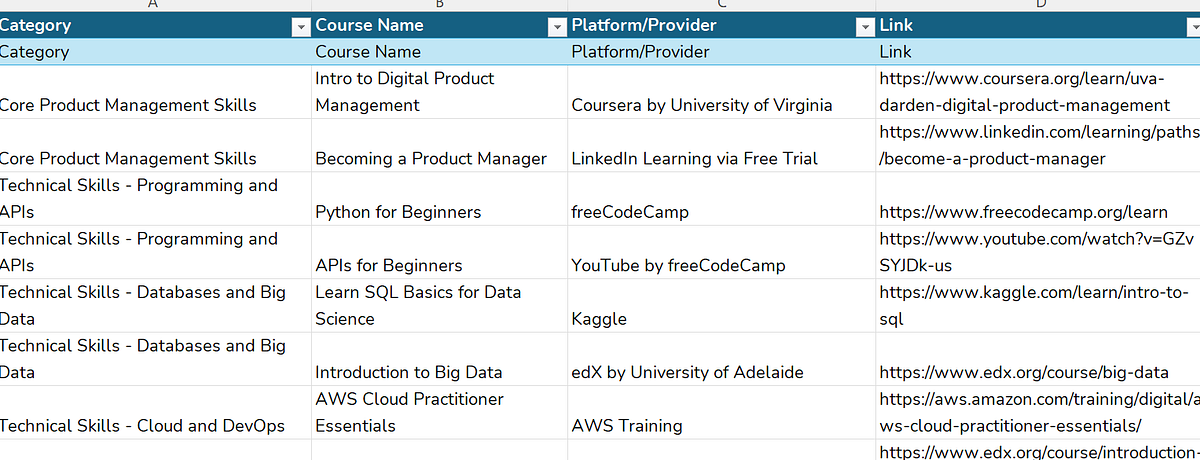
Product Management Courses: Your Path to Success
Product management is a crucial role in any organization, responsible for guiding the development and success of products from conception to launch. As the demand for skilled product managers continues to rise, taking product management courses can be a strategic move to enhance your career prospects and excel in this dynamic field.
Why Take Product Management Courses?
Product management courses provide you with the knowledge, skills, and tools necessary to succeed in this challenging role. Whether you are new to product management or looking to advance your career, these courses offer valuable insights into product strategy, market analysis, user experience design, project management, and more.
Benefits of Product Management Courses
By enrolling in product management courses, you can:
- Gain a comprehensive understanding of the product development process
- Learn how to identify market opportunities and create successful product strategies
- Develop skills in project management, communication, and leadership
- Enhance your ability to collaborate with cross-functional teams and stakeholders
- Stay updated on industry trends and best practices in product management
Choosing the Right Product Management Course
When selecting a product management course, consider factors such as course content, instructor expertise, delivery format (online or in-person), duration, cost, and reviews from past participants. Look for courses that offer hands-on projects, case studies, industry guest speakers, and networking opportunities to maximize your learning experience.
Start Your Product Management Journey Today!
Whether you are aspiring to become a product manager or seeking to enhance your existing skills, investing in product management courses can open up new opportunities for growth and success. Take the first step towards achieving your career goals by enrolling in a reputable product management course today!
Unlock Your Potential: 9 Benefits of Taking Product Management Courses
- Enhance your understanding of the product development process.
- Learn to identify market opportunities and create successful product strategies.
- Develop essential skills in project management, communication, and leadership.
- Gain insights into user experience design and customer-centric approaches.
- Improve your ability to collaborate with cross-functional teams and stakeholders.
- Stay updated on industry trends and best practices in product management.
- Expand your professional network through interactions with instructors and peers.
- Access valuable resources, tools, and frameworks to apply in real-world scenarios.
- Boost your career prospects by acquiring a recognized certification or credential.
Challenges of Product Management Courses: High Costs, Inflexible Schedules, Varied Quality, and Theoretical Focus
- Costly tuition fees may be a barrier for some individuals.
- Limited flexibility in course schedules may not accommodate working professionals.
- Quality of instruction and course content can vary among different providers.
- Some product management courses may focus more on theory than practical application in real-world scenarios.
Enhance your understanding of the product development process.
By taking product management courses, you can significantly enhance your understanding of the product development process. These courses provide valuable insights into every stage of product development, from ideation and market research to prototyping, testing, and launch. By gaining a comprehensive understanding of the product development process, you will be better equipped to make informed decisions, identify potential risks and opportunities, and effectively collaborate with cross-functional teams to bring successful products to market. This enhanced knowledge will not only boost your confidence as a product manager but also contribute to the overall success of the products you oversee.
Learn to identify market opportunities and create successful product strategies.
Product management courses offer a valuable pro by equipping students with the knowledge and skills to identify market opportunities and develop successful product strategies. By understanding market trends, consumer needs, and competitive landscapes, individuals can effectively analyze data to make informed decisions that drive product innovation and market success. Learning how to create strategic product plans enables aspiring product managers to align business goals with customer requirements, ultimately leading to the development of products that meet market demands and achieve sustainable growth.
Develop essential skills in project management, communication, and leadership.
Product management courses offer a valuable opportunity to develop essential skills in project management, communication, and leadership. By honing these key competencies, individuals can effectively lead cross-functional teams, communicate product vision and strategy clearly, and navigate complex projects with confidence. These skills are not only vital for success in product management roles but also transferable to various other professional settings, enhancing one’s overall career prospects and capabilities.
Gain insights into user experience design and customer-centric approaches.
Product management courses offer a valuable pro by providing participants with insights into user experience design and customer-centric approaches. Understanding the importance of creating products that meet the needs and expectations of users is essential in today’s competitive market. By learning about user experience design principles and adopting customer-centric strategies, aspiring product managers can develop products that resonate with their target audience, leading to increased satisfaction, loyalty, and success in the marketplace.
Improve your ability to collaborate with cross-functional teams and stakeholders.
Product management courses offer a valuable benefit by improving your ability to collaborate effectively with cross-functional teams and stakeholders. By honing your communication skills, understanding different perspectives, and learning how to align diverse interests towards a common goal, you can become a more adept and influential leader within your organization. This enhanced collaboration capability not only fosters stronger teamwork but also facilitates smoother decision-making processes and the successful execution of product strategies.
Stay updated on industry trends and best practices in product management.
Staying updated on industry trends and best practices in product management is a significant advantage of taking product management courses. These courses provide valuable insights into the latest developments in the field, ensuring that students are equipped with the most current knowledge and skills to excel in their roles. By staying informed about industry trends, students can adapt their strategies, approaches, and decision-making processes to align with the rapidly evolving landscape of product management, ultimately enhancing their professional growth and success.
Expand your professional network through interactions with instructors and peers.
By enrolling in product management courses, you have the valuable opportunity to expand your professional network through interactions with instructors and peers. Engaging with experienced instructors can provide you with insights, guidance, and industry connections that can enhance your learning experience and career prospects. Additionally, collaborating with peers in the course allows you to exchange ideas, share experiences, and build relationships with like-minded professionals who may become valuable contacts in your professional network. Networking within the context of product management courses not only enriches your educational journey but also opens doors to potential career opportunities and collaborations in the future.
Access valuable resources, tools, and frameworks to apply in real-world scenarios.
Product management courses offer the invaluable benefit of providing access to a wide range of resources, tools, and frameworks that can be directly applied in real-world scenarios. By learning practical techniques and industry best practices through these courses, students gain the knowledge and skills necessary to tackle challenges, make informed decisions, and drive successful product development strategies in their professional careers. The ability to leverage these resources effectively empowers individuals to excel in the dynamic field of product management and deliver tangible results for their organizations.
Boost your career prospects by acquiring a recognized certification or credential.
Acquiring a recognized certification or credential through product management courses can significantly boost your career prospects. Employers value professionals who have demonstrated their expertise and commitment to continuous learning by obtaining industry-recognized certifications. By earning a certification in product management, you not only enhance your credibility and marketability but also increase your chances of securing higher-level positions and greater opportunities for advancement in the competitive field of product management.
Costly tuition fees may be a barrier for some individuals.
Costly tuition fees associated with product management courses can serve as a significant barrier for individuals looking to enhance their skills and pursue a career in this field. The high costs involved in enrolling in such courses may deter some potential learners, especially those from disadvantaged backgrounds or with limited financial resources, from accessing valuable education and training opportunities in product management. As a result, the affordability and accessibility of product management courses remain a pressing concern that needs to be addressed to ensure equal opportunities for all aspiring professionals in the industry.
Limited flexibility in course schedules may not accommodate working professionals.
One significant drawback of product management courses is the limited flexibility in course schedules, which may not accommodate working professionals with busy schedules. Many product management courses are offered at specific times or require attendance during set hours, making it challenging for individuals who work full-time or have other commitments to participate. This lack of flexibility can hinder professionals from accessing valuable learning opportunities in product management and may limit their ability to advance their skills and career in this field.
Quality of instruction and course content can vary among different providers.
When considering product management courses, one significant drawback to be aware of is the potential variation in the quality of instruction and course content offered by different providers. Not all courses may meet the same standards or provide consistent levels of depth and relevance in their teachings. This inconsistency can lead to a lack of uniformity in learning outcomes and may result in some students receiving a subpar educational experience. It is essential for individuals interested in pursuing product management courses to thoroughly research and evaluate different providers to ensure they select a program that aligns with their learning goals and expectations.
Some product management courses may focus more on theory than practical application in real-world scenarios.
Some product management courses may prioritize theoretical concepts over practical application in real-world scenarios, which can be a significant drawback for students seeking hands-on experience and skills directly applicable to their roles as product managers. While understanding foundational principles is essential, a lack of emphasis on real-world case studies, interactive projects, and industry-specific challenges may limit the effectiveness of these courses in preparing individuals for the dynamic and fast-paced environment of product management. Aspiring product managers should carefully evaluate course curriculums to ensure a balance between theory and practical application to maximize their learning and professional development opportunities.