
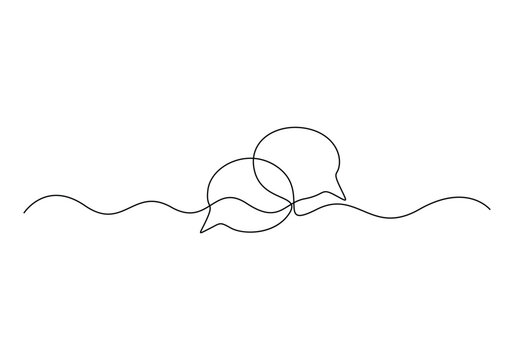
One Line Drawing: Creating Art With a Continuous Line
A one line drawing is an artwork made with a single, continuous line. The line moves across the page to form shapes, outlines, and details without lifting the drawing tool. Simple in appearance, this approach encourages artists to focus on observation, movement, and the relationships between forms.
What Makes a One Line Drawing?
In a traditional drawing, an artist may use many separate marks to build an image. In a one line drawing, the artist aims to keep the line connected from beginning to end. The result can be a recognizable portrait, a still life, an animal, or an abstract design.
The line does not need to describe every detail. Instead, it captures the subject’s most important contours and gestures. A few well-placed curves can suggest a face, while a flowing outline may communicate the shape and posture of a plant or figure.
Why Try This Technique?
- It builds observation skills. Following the edges and forms of a subject encourages careful looking.
- It helps develop confidence. Since the line cannot be easily erased or restarted, artists learn to accept imperfections and keep moving.
- It encourages expressive marks. Changes in direction, speed, and pressure can give a drawing energy and personality.
- It works with simple materials. A pencil, pen, marker, or digital drawing tool is enough to get started.
How to Make a One Line Drawing
- Choose a simple subject. A mug, leaf, flower, or seated pet can be easier to begin with than a detailed scene.
- Study the subject before drawing. Notice its largest shapes, distinctive curves, and how its parts connect.
- Pick a starting point. Begin at a visible edge or feature, such as the top of a flower or the outline of a face.
- Move slowly and continuously. Let the line travel from one feature to another. It can cross itself or loop back where needed.
- Keep the drawing simple. Focus on the essential outline rather than trying to include every small detail.
- Finish when the image feels complete. The line can end near its starting point, but it does not have to form a closed shape.
Tips for Better Results
Try drawing from direct observation instead of relying only on memory. Keep your eyes on the subject for much of the process, and allow your hand to follow what you see. If the line goes in an unexpected direction, incorporate the change rather than starting over. A surprising curve may give the drawing its character.
You can also experiment with line quality. A light, steady stroke can feel delicate, while a heavier or more varied line can create a bolder effect. For a relaxed warm-up, draw the same object several times, changing your starting point each time.
A Simple Practice Exercise
Place a fruit or household object in front of you. Set a timer for one minute and draw it without lifting your pen or pencil. Don’t worry about making the proportions perfect. When the time is up, look at the drawing and notice which marks best capture the object. Repeat the exercise with a different subject, or try drawing the same object with your nondominant hand.
Keep the Line Moving
One line drawing is a straightforward way to explore shape and movement without getting caught up in correction or detail. Whether the finished image is polished or playful, the process offers a reminder that a single line can carry an idea from its first mark to its final form.
Mastering One Line Drawing: 7 Essential Tips for Success
- Keep the pen on the page as long as possible.
- Plan the main shape before you start.
- Use simple, flowing lines.
- Move slowly through tricky sections.
- Avoid crossing lines unless needed.
- Let the design stay loose and playful.
- Practice drawing familiar objects in one stroke.
Keep the pen on the page as long as possible.
Keep the pen on the page as long as possible to preserve the continuous flow that gives one line drawing its distinctive character. Rather than lifting your pen whenever you reach a new feature, look for a path that connects one shape to another, even if the line loops, crosses itself, or takes an unexpected turn. This encourages you to draw with confidence and focus on the subject’s overall form instead of getting caught up in small details. If you do need to lift the pen, simply continue from a nearby point and keep the drawing moving.
Plan the main shape before you start.
Before you begin a one line drawing, take a moment to plan the subject’s main shape and decide where your line will start and travel. Notice the largest contours and how different parts connect, then picture a simple route that captures the overall form. A little preparation can help your line flow more confidently and keep the drawing clear, while still leaving room for unexpected curves and creative choices.
Use simple, flowing lines.
Use simple, flowing lines to keep a one line drawing clear and expressive. Instead of adding lots of small details, focus on the subject’s main shapes and let the line move naturally from one feature to the next. Smooth curves and steady strokes can give the drawing a sense of movement, while a few intentional changes in direction help define its form. If the line takes an unexpected turn, work with it rather than starting over—those small surprises can add character to the finished piece.
Move slowly through tricky sections.
Move slowly through tricky sections of a one line drawing, such as tight curves, overlapping shapes, or detailed features. A steady pace gives you more control over the line’s direction and helps keep the forms clear. Take a moment to study the next shape before continuing, then guide the line smoothly without rushing or lifting your pen.
Avoid crossing lines unless needed.
When creating a one line drawing, avoid crossing your line unless it helps describe the subject. Unnecessary crossings can make the image look tangled and obscure its main shapes. Plan a simple route through the subject, connecting key contours and features with smooth, intentional movements. If a crossing is needed to complete the form, make it part of the design rather than treating it as a mistake.
Let the design stay loose and playful.
Let your one line drawing stay loose and playful. Rather than worrying about perfect proportions or making every detail precise, follow the movement of your hand and allow unexpected curves, loops, and overlaps to become part of the design. A relaxed approach can make the drawing feel more expressive and lively—and help you enjoy the process.
Practice drawing familiar objects in one stroke.
Practice drawing familiar objects in one stroke to build confidence and get comfortable keeping your line moving. Choose something simple, like a mug, a leaf, or a piece of fruit, and trace its main shapes without lifting your pen or pencil. Don’t worry about making the drawing perfect—the goal is to notice how the line can flow from one feature to the next. With repetition, you’ll become more observant and expressive in your one line drawings.