
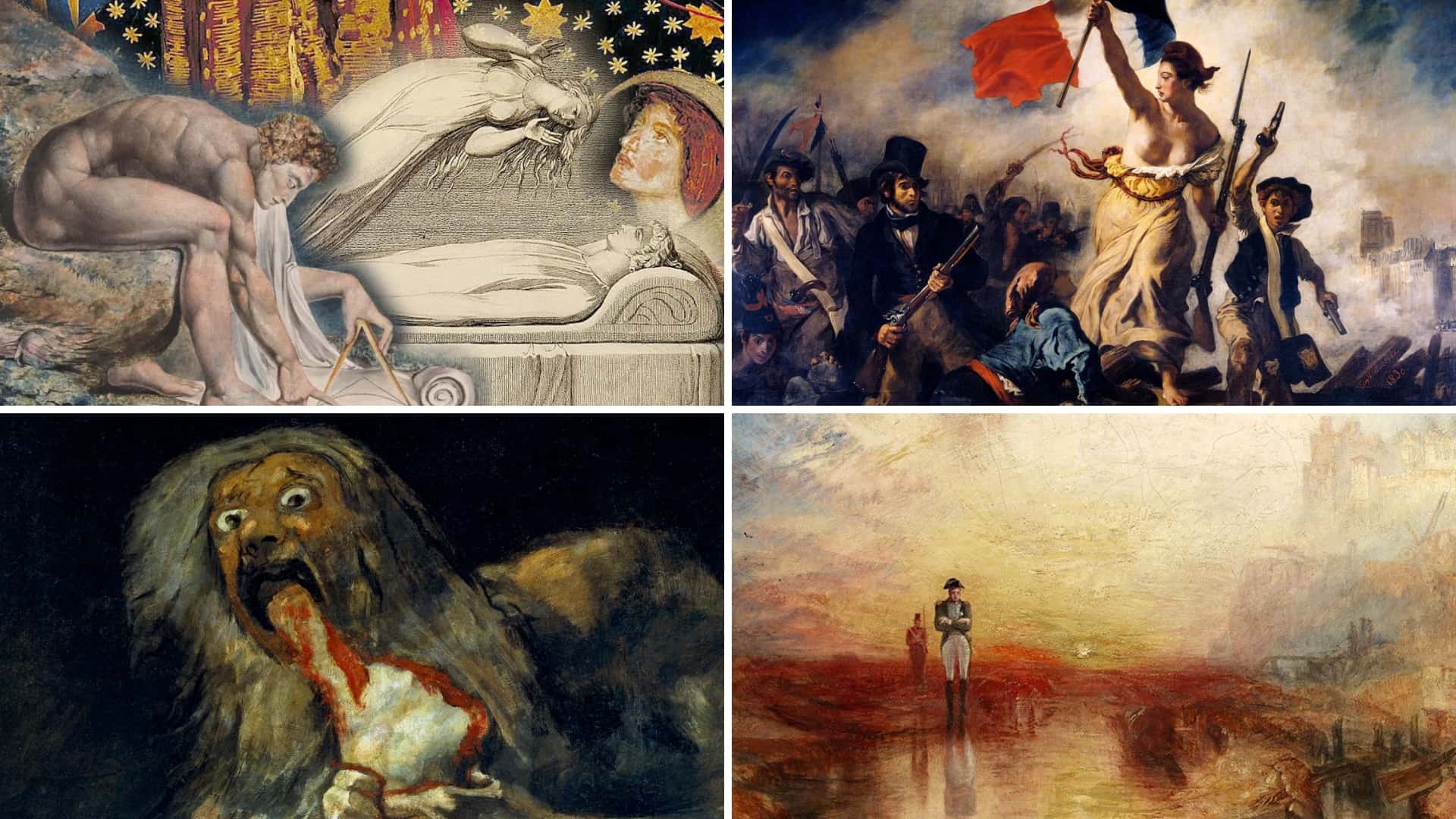
The Beauty of Romantic Art: Exploring the Emotions and Aesthetics
Romantic art, a movement that emerged in the late 18th century and flourished throughout the 19th century, is characterized by its emphasis on emotion, imagination, and individualism. It is a style that seeks to evoke powerful feelings and convey a sense of awe and wonder through its imagery.
One of the key themes in romantic art is nature, with artists often depicting dramatic landscapes, storms, and natural phenomena to evoke a sense of the sublime. The sublime refers to feelings of awe, fear, and wonder in response to something vast or powerful, such as a towering mountain or a tumultuous sea.
Another prominent theme in romantic art is love and passion. Artists often portrayed scenes of love, longing, and desire with an emphasis on intense emotions and dramatic gestures. These artworks capture the essence of human relationships and the complexities of the heart.
Romantic art also delves into themes of heroism, mythology, and folklore. Artists drew inspiration from literary works, ancient myths, and legends to create fantastical scenes filled with knights, maidens, gods, and monsters. These artworks transport viewers to imaginary worlds where anything is possible.
One of the most famous romantic artists is William Turner, known for his breathtaking landscapes that capture the power and beauty of nature. His use of light and color creates a sense of drama and emotion that resonates with viewers to this day.
In conclusion, romantic art is a genre that celebrates emotion, imagination, and individual expression. It invites viewers to explore their innermost feelings and connect with the beauty and wonder of the world around them. Through its evocative imagery and powerful themes, romantic art continues to inspire awe and admiration in audiences worldwide.
5 Tips for Appreciating Romantic Art: A Guide to Understanding and Enjoying Its Beauty
- Study famous romantic artists like Caspar David Friedrich and Eugène Delacroix.
- Explore themes of love, passion, nature, and emotion in romantic art.
- Notice the use of vibrant colors and dramatic lighting in romantic paintings.
- Learn about the historical context that influenced the romantic art movement.
- Visit museums or galleries to see romantic artworks up close and appreciate their beauty.
Study famous romantic artists like Caspar David Friedrich and Eugène Delacroix.
To deepen your understanding of romantic art, it is highly beneficial to study renowned artists such as Caspar David Friedrich and Eugène Delacroix. Caspar David Friedrich, known for his sublime landscapes and contemplative compositions, captured the essence of nature’s beauty and the human spirit. On the other hand, Eugène Delacroix’s vibrant and expressive works reflected themes of passion, exoticism, and historical events with a dramatic flair. By exploring the works of these influential romantic artists, you can gain valuable insights into the emotional depth and artistic techniques that defined the romantic movement.
Explore themes of love, passion, nature, and emotion in romantic art.
In romantic art, exploring themes of love, passion, nature, and emotion allows viewers to delve into the depths of human experience and connect with the essence of life itself. Artists of this movement sought to capture the intensity of emotions, the beauty of nature’s landscapes, and the complexities of human relationships through their expressive and evocative works. By immersing oneself in these themes within romantic art, one can experience a profound sense of wonder, awe, and appreciation for the power of artistic expression in conveying the richness and complexity of human existence.
Notice the use of vibrant colors and dramatic lighting in romantic paintings.
In romantic art, a key aspect to observe is the use of vibrant colors and dramatic lighting in paintings. Artists of this movement often employed rich and intense hues to evoke strong emotions and create a sense of heightened drama in their works. By using bold colors and playing with light and shadow, romantic painters were able to enhance the mood and atmosphere of their compositions, drawing viewers into the captivating worlds they depicted on canvas. Paying attention to the interplay of colors and lighting in romantic paintings can offer valuable insights into the emotional depth and visual impact that characterize this evocative artistic style.
Learn about the historical context that influenced the romantic art movement.
Understanding the historical context that influenced the romantic art movement is essential to grasp the significance and impact of this artistic period. The romantic art movement emerged in response to the social, political, and cultural changes of the late 18th and early 19th centuries, including the Industrial Revolution, the French Revolution, and the rise of nationalism. Artists sought to express their emotions, individuality, and connection to nature in contrast to the rationalism and order of the Enlightenment era. By learning about these historical influences, one can appreciate how romantic artists rebelled against tradition and embraced creativity and emotion in their works, shaping a movement that continues to inspire artists and audiences today.
Visit museums or galleries to see romantic artworks up close and appreciate their beauty.
Visiting museums or galleries to see romantic artworks up close offers a unique opportunity to immerse oneself in the beauty and emotion of this captivating art movement. By examining these pieces in person, viewers can appreciate the intricate details, vibrant colors, and expressive techniques that define romantic art. Standing before these masterpieces allows for a deeper connection with the artist’s vision and a more profound understanding of the emotions and stories conveyed through each brushstroke. It is an enriching experience that brings art lovers closer to the heart of romanticism and inspires a newfound appreciation for its timeless allure.