
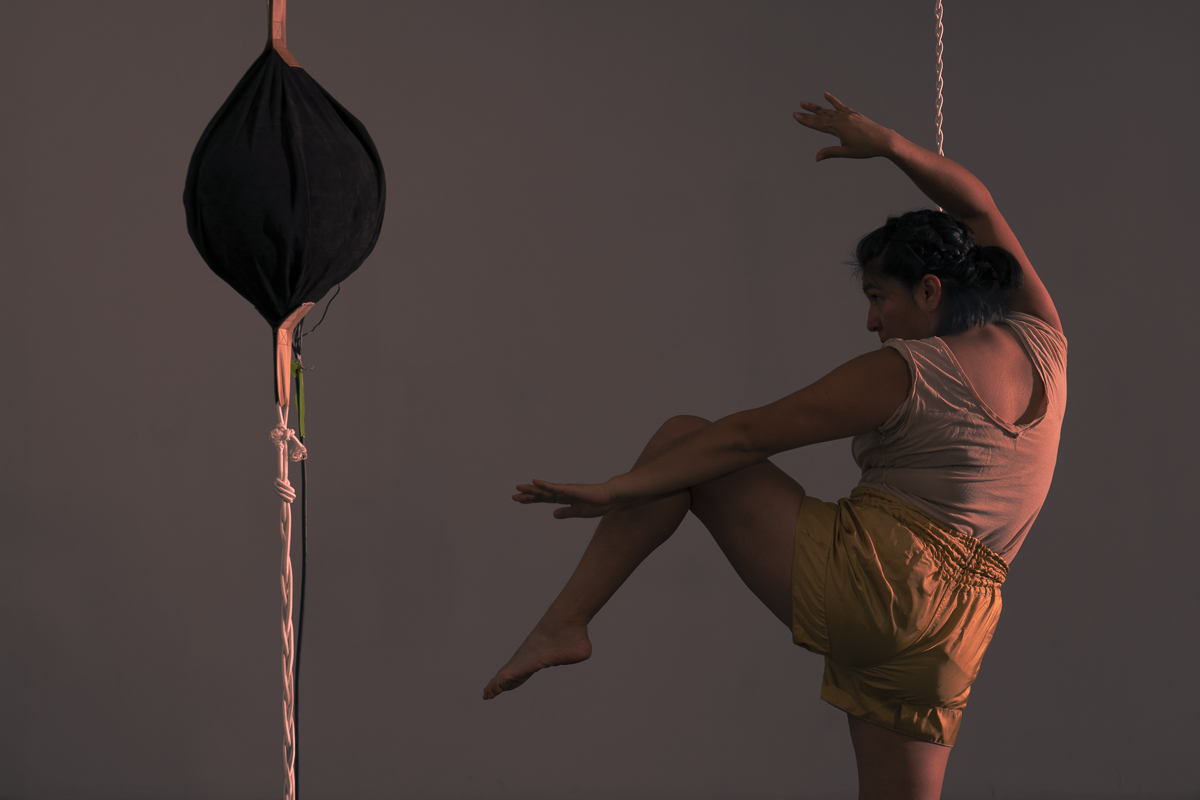
The Art of Performance: Exploring the World of Performance Art
Performance art is a unique and dynamic form of artistic expression that blurs the boundaries between visual art, theater, dance, and music. Unlike traditional art forms that are typically static and object-based, performance art is live, ephemeral, and often interactive, engaging both the artist and the audience in a shared experience.
Rooted in the avant-garde movements of the 20th century, performance art challenges conventional notions of art by emphasizing process over product and exploring themes such as identity, politics, gender, and social issues. Artists use their bodies, gestures, movements, words, and sometimes props or costumes to create compelling and thought-provoking performances that push boundaries and provoke emotions.
Performance art can take place in a variety of settings, from traditional theaters to public spaces to galleries and museums. Some performances are carefully scripted and rehearsed, while others are spontaneous and improvisational. The unpredictability and immediacy of performance art make it a powerful medium for artists to communicate their ideas and connect with audiences on a visceral level.
One of the key aspects of performance art is its emphasis on presence – both the physical presence of the artist in the moment of performance and the presence of the audience as active participants in the creation of meaning. Through direct engagement with viewers, artists can challenge perceptions, provoke reactions, inspire reflection, or even create moments of shared intimacy or discomfort.
Performance art continues to evolve and adapt to contemporary contexts, embracing new technologies, interdisciplinary collaborations, and diverse cultural influences. As a form that defies easy categorization or definition, performance art remains a vibrant and relevant mode of artistic expression that invites us to question assumptions about what art is and how it can impact our lives.
9 Essential Tips to Elevate Your Performance Art Skills
- Practice regularly to improve your skills and confidence.
- Experiment with different techniques and styles to find what works best for you.
- Connect with other performance artists to learn from their experiences and collaborate on projects.
- Be open to constructive criticism as it can help you grow as an artist.
- Prepare thoroughly before each performance to ensure everything runs smoothly.
- Engage with your audience to create a memorable and impactful experience.
- Stay true to yourself and your artistic vision, even if it means taking risks.
- Take care of your physical and mental health to maintain peak performance levels.
- Keep exploring new ideas and pushing boundaries in your performances.
Practice regularly to improve your skills and confidence.
Regular practice is essential for honing your skills and building confidence in the realm of performance art. By dedicating time to rehearsing and refining your craft, you not only improve your technical abilities but also develop a deeper understanding of your artistic voice and presence. Consistent practice allows you to explore new ideas, experiment with different techniques, and push the boundaries of your creativity, ultimately empowering you to deliver more compelling and impactful performances.
Experiment with different techniques and styles to find what works best for you.
When exploring the realm of performance art, it is essential to experiment with various techniques and styles to discover what resonates most with your artistic vision and expression. By embracing a spirit of curiosity and openness to new possibilities, you can push the boundaries of your creativity and uncover unique ways to communicate your ideas and emotions through performance. Through this process of exploration and discovery, you can refine your craft, develop your own artistic voice, and ultimately create impactful and authentic performances that resonate with both yourself and your audience.
Connect with other performance artists to learn from their experiences and collaborate on projects.
Connecting with other performance artists is a valuable tip for aspiring and established artists alike. By engaging with fellow artists, you have the opportunity to learn from their experiences, gain new perspectives, and expand your creative horizons. Collaborating on projects with other performance artists not only enhances your own artistic practice but also fosters a sense of community and mutual support within the performance art world. Sharing ideas, techniques, and resources through collaboration can lead to innovative and impactful artistic endeavors that benefit both you and your fellow artists.
Be open to constructive criticism as it can help you grow as an artist.
Being open to constructive criticism is essential for growth as an artist in the realm of performance art. Feedback from others, whether it be fellow artists, instructors, or audience members, can provide valuable insights and perspectives that may not have been apparent to you. Embracing constructive criticism allows you to identify areas for improvement, refine your skills, and expand your artistic vision. By remaining receptive to feedback, you demonstrate a willingness to learn and evolve, ultimately enhancing your artistic practice and deepening your connection with your audience.
Prepare thoroughly before each performance to ensure everything runs smoothly.
Preparing thoroughly before each performance is crucial to ensuring a successful and seamless execution. From rehearsing movements and dialogues to setting up technical aspects and props, thorough preparation helps artists feel confident and ready to deliver their best performance. By taking the time to plan and practice in advance, performers can anticipate potential challenges, make necessary adjustments, and ensure that everything runs smoothly on stage. This dedication to preparation not only enhances the quality of the performance but also allows artists to fully immerse themselves in the creative process and connect with their audience effectively.
Engage with your audience to create a memorable and impactful experience.
Engaging with your audience is a crucial aspect of performance art that can elevate the experience from a mere spectacle to a meaningful and lasting interaction. By actively involving viewers in the creative process, artists can forge a connection that transcends the boundaries between performer and observer, allowing for shared moments of emotion, reflection, and understanding. This interactive exchange not only enriches the performance but also leaves a lasting impact on both the audience members and the artist, creating a truly memorable and transformative artistic experience.
Stay true to yourself and your artistic vision, even if it means taking risks.
In the realm of performance art, it is crucial to stay true to yourself and your artistic vision, even if it requires taking risks. Embracing authenticity and pushing boundaries can lead to groundbreaking and transformative performances that resonate deeply with both the artist and the audience. By staying true to one’s unique perspective and creative instincts, artists in the realm of performance art can forge a path that is truly their own, creating work that is honest, compelling, and impactful.
Take care of your physical and mental health to maintain peak performance levels.
Taking care of your physical and mental health is essential to maintaining peak performance levels in the realm of performance art. The demanding nature of live performances requires artists to be in optimal condition both physically and mentally. Prioritizing self-care practices such as regular exercise, proper nutrition, adequate rest, and mindfulness techniques can help artists sustain their energy, focus, and creativity during rehearsals and performances. By nurturing their well-being, artists can enhance their endurance, resilience, and overall artistic output in the dynamic world of performance art.
Keep exploring new ideas and pushing boundaries in your performances.
To truly excel in performance art, it is essential to keep exploring new ideas and pushing boundaries in your performances. By constantly challenging yourself and venturing into uncharted territories, you not only expand your creative horizons but also inspire innovation and growth in your artistic practice. Embrace experimentation, take risks, and dare to break free from conventions to create performances that are daring, impactful, and unforgettable. Remember, it is through exploration and pushing boundaries that you can discover new depths of creativity and leave a lasting impression on both yourself and your audience.