
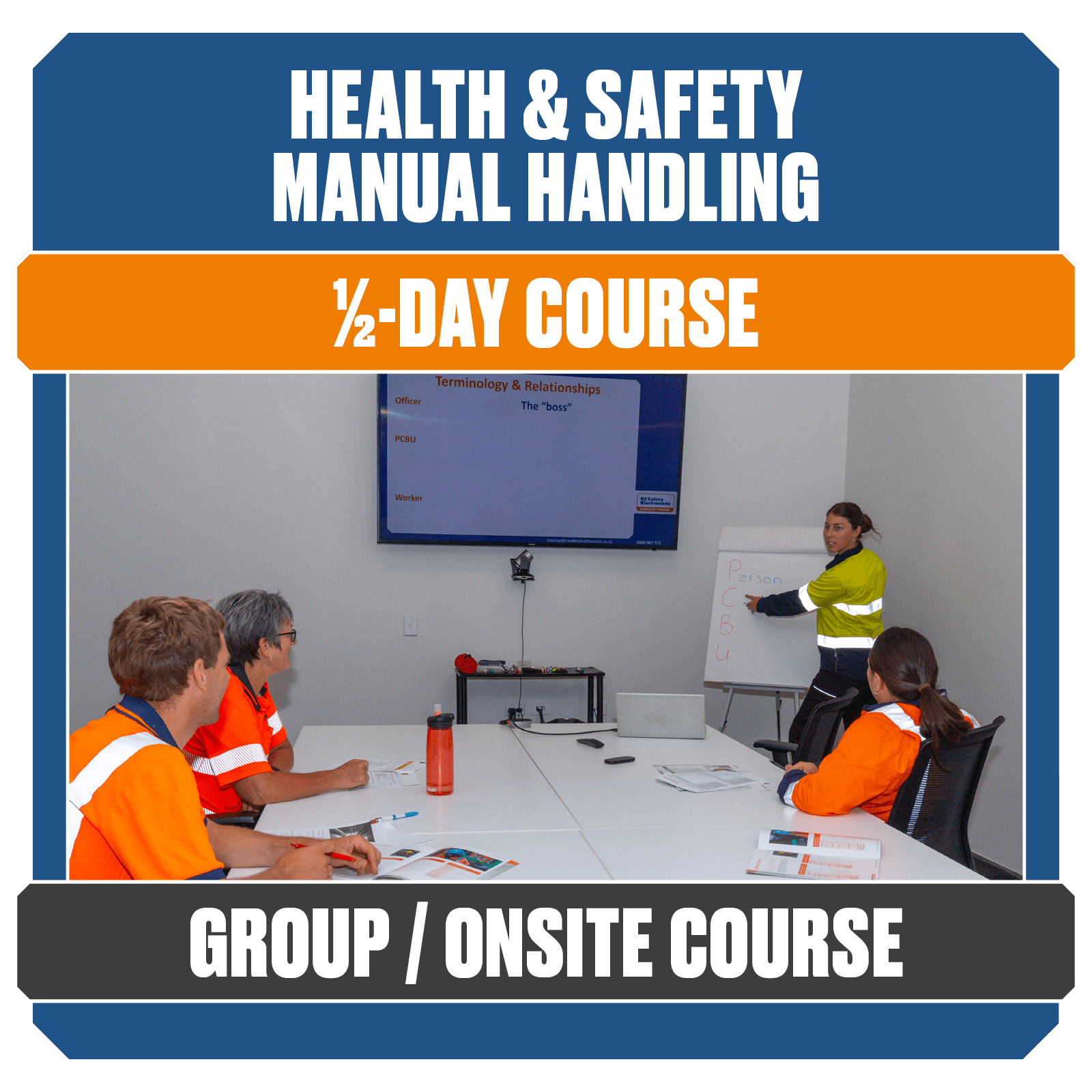
The Importance of Manual Handling Course in Workplace Safety
Manual handling refers to the transporting or supporting of loads by hand or bodily force. It is a common task in many workplaces, but if not done correctly, it can lead to serious injuries. This is why taking a manual handling course is essential for both employers and employees.
One of the key benefits of a manual handling course is that it educates participants on the correct techniques to lift, carry, push, or pull objects safely. By learning how to use proper body mechanics and equipment, employees can reduce the risk of musculoskeletal injuries such as strains and sprains.
Furthermore, a manual handling course helps raise awareness about potential hazards in the workplace and teaches individuals how to assess risks and implement control measures. This proactive approach not only enhances safety but also contributes to a more efficient and productive work environment.
Employers who invest in manual handling training demonstrate their commitment to employee well-being and compliance with occupational health and safety regulations. By providing employees with the knowledge and skills needed to perform manual handling tasks safely, organizations can prevent accidents, reduce absenteeism due to injuries, and improve overall morale.
In conclusion, a manual handling course plays a crucial role in promoting workplace safety and preventing injuries related to manual tasks. It empowers individuals with the necessary tools to handle loads effectively while minimizing the risk of harm. By prioritizing proper training in manual handling practices, organizations can create a safer and healthier work environment for everyone involved.
Top FAQs About Manual Handling Courses: Certification, Key Principles, Duration, and Training Requirements
- Can I get a free manual handling certificate?
- What are the 5 P’s of manual handling?
- How long does a manual handling course take?
- What training is required for manual handling?
Can I get a free manual handling certificate?
It is important to note that while some organizations may offer free manual handling courses, obtaining a free manual handling certificate may not always be possible. The availability of free certification programs can vary depending on the provider and region. It is recommended to research different training options and inquire directly with relevant institutions or employers to determine if they offer any cost-effective or subsidized training opportunities for manual handling certification. Investing in proper training and certification in manual handling is crucial for ensuring workplace safety and reducing the risk of injuries associated with manual tasks.
What are the 5 P’s of manual handling?
The 5 P’s of manual handling are a mnemonic device used to emphasize key principles for safe lifting and carrying of objects in the workplace. The 5 P’s stand for Proper Planning Prevents Poor Performance. This concept highlights the importance of preparing and strategizing before engaging in manual handling tasks to reduce the risk of injury. By following the 5 P’s, individuals can ensure that they approach manual handling activities with caution, awareness, and adherence to best practices, ultimately promoting a safer work environment and minimizing the likelihood of accidents or musculoskeletal strains.
How long does a manual handling course take?
The duration of a manual handling course typically varies depending on the specific content and format of the training program. In general, most manual handling courses range from a few hours to a full day in length. Some courses may be completed in a single session, while others may be spread out over multiple sessions to allow for more in-depth learning and practical exercises. The duration of the course is designed to ensure that participants receive comprehensive instruction on safe manual handling techniques, risk assessment, and relevant regulations. It is important for individuals considering enrolling in a manual handling course to check the course details provided by the training provider to determine the specific length and structure of the program.
What training is required for manual handling?
When it comes to manual handling, the question of what training is required is a common one among employers and employees alike. In order to ensure the safety and well-being of individuals involved in manual handling tasks, it is essential to provide adequate training that covers proper lifting techniques, risk assessment, and the correct use of equipment. Employers are responsible for identifying the specific training needs of their workforce and ensuring that all employees receive comprehensive instruction on how to handle loads safely to prevent injuries. By investing in appropriate training programs, organizations can not only comply with regulatory requirements but also create a culture of safety and awareness in the workplace.