
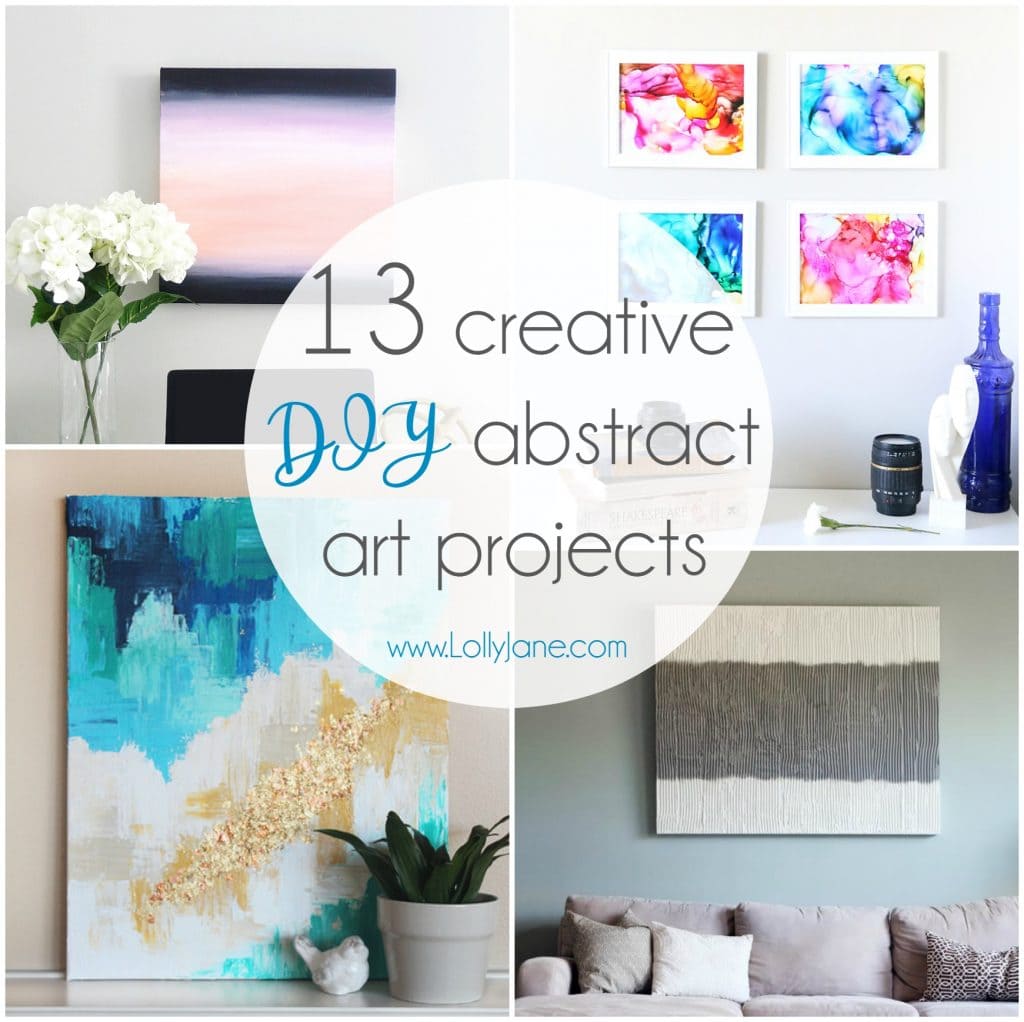
Abstract Wall Art: A Guide to Choosing and Styling It
Abstract wall art can bring color, movement, and personality to a room. Rather than depicting a subject exactly as it appears in real life, abstract art uses elements such as shape, line, texture, and color to suggest an idea or feeling. That openness is part of its appeal: one artwork can spark different interpretations and make a space feel distinctly personal.
What Is Abstract Wall Art?
Abstract art ranges from loosely recognizable images to compositions made entirely of shapes, marks, and color. Some pieces feel calm and orderly, while others are bold, energetic, or unexpected. Artists may use paint, photography, collage, printmaking, textiles, or digital techniques to create abstract works.
Because abstract art does not require a single interpretation, you do not need special training to enjoy it. You might be drawn to a piece for its palette, its texture, the mood it creates, or simply the way it looks in your home.
Why Choose Abstract Art for Your Walls?
- It adds visual interest. Color, contrast, and form can enliven an otherwise simple wall.
- It helps set a mood. Soft shapes and muted colors may feel restful, while strong lines and vivid hues can bring energy to a room.
- It offers flexibility. Abstract art can complement many interior styles, from modern and minimalist to eclectic and traditional.
- It invites personal interpretation. A piece can feel meaningful without illustrating a specific person, place, or story.
How to Choose a Piece
Start by considering the room where the artwork will hang. Think about the atmosphere you want to create and how the art will relate to the furniture, lighting, and existing colors. A large, high-contrast piece can become a focal point, while a quieter work may blend naturally into a restful space.
Color is a useful starting point. You can choose art that echoes colors already in the room for a cohesive look, or select a contrasting palette to make the artwork stand out. Either approach can work; the key is to consider the overall balance rather than matching every shade exactly.
Pay attention to scale, too. A small artwork may appear lost on a broad wall, while an oversized piece can overwhelm a compact area. For art hung above a sofa, bed, or console, consider the width of the furniture and leave enough space around the frame so the arrangement feels intentional.
Ways to Style Abstract Wall Art
Make One Piece the Focal Point
Hang a single statement work where it can be seen easily, such as above a sofa or on the wall opposite the entrance. Keep nearby decor relatively simple so the artwork has room to stand out.
Create a Gallery Wall
Combine several abstract pieces for a layered, collected look. The works do not need to match, but a shared element—such as a recurring color, similar frame, or consistent spacing—can help the display feel unified. Before hanging, arrange the pieces on the floor or make paper templates to test the layout.
Use Art to Add Contrast
A vivid, energetic composition can add character to a neutral room. In a colorful space, artwork with simpler shapes or a more restrained palette may provide a visual pause. Contrast can come from color, scale, texture, or the artwork’s overall mood.
Consider Medium and Presentation
The medium affects how a piece looks and feels. Original paintings may have visible brushwork and texture, while prints can offer crisp detail and a wide range of styles. Canvas, paper, metal, and fabric each create a different impression. Framing can also change the look: a simple frame often feels clean and contemporary, while a more decorative frame can add warmth or formality.
Choose materials and hanging methods suited to the artwork and the room. Direct sunlight, humidity, and heat may affect some works over time, so consider the placement carefully and follow any care guidance provided by the artist or seller.
Let the Art Feel Personal
The best abstract wall art is not necessarily the piece that follows a trend or matches a room perfectly. It is the one you enjoy seeing every day. Take time to notice what draws you in—perhaps a particular color, an expressive mark, or a sense of movement—and choose a work that feels right for your space.
With thoughtful placement and a little experimentation, abstract wall art can do more than fill an empty wall. It can shape the mood of a room, bring different design elements together, and give your home a more personal point of view.
Your Guide to Abstract Wall Art: Answers to 8 Common Questions
- What is abstract wall art?
- How do I choose abstract wall art for my home?
- What size abstract art should I hang above a sofa?
- How do I match abstract wall art with my room’s colors?
- Where should I hang abstract wall art?
- How high should abstract wall art be hung?
- How do I arrange abstract art in a gallery wall?
- How do I clean and care for abstract wall art?
What is abstract wall art?
Abstract wall art is artwork that uses colors, shapes, lines, textures, and forms to express ideas or create a mood rather than depict a subject realistically. It can range from loosely recognizable images to completely nonrepresentational designs. Because it doesn’t have one required meaning, viewers can interpret it in their own way and choose pieces that suit their taste and space.
How do I choose abstract wall art for my home?
Choose abstract wall art by considering the room’s size, color palette, and mood. A large, bold piece can create a focal point, while smaller or softer works may suit a quieter space. You can select colors that complement your existing décor or choose contrasting shades for added impact. Consider the artwork’s texture, style, and framing, too, and make sure you genuinely enjoy looking at it—abstract art is personal, so the best choice is the one that feels right in your home.
What size abstract art should I hang above a sofa?
As a general guideline, choose abstract art—or a group of pieces arranged together—that spans about two-thirds to three-quarters of your sofa’s width. This creates a balanced look without making the artwork feel too small or overwhelming. Center it above the sofa and leave about 6 to 10 inches between the top of the sofa and the bottom of the frame. For a gallery wall, measure the full arrangement as one piece when judging its width.
How do I match abstract wall art with my room’s colors?
To match abstract wall art with your room’s colors, start by noticing the shades already present in your furniture, rugs, and accessories. Choose artwork that repeats one or two of those colors for a cohesive look, or select a contrasting palette to create a bold focal point. You don’t need to match every color exactly—consider the artwork’s overall balance, mood, and intensity, too. In a neutral room, vibrant art can add energy; in a colorful space, a piece with softer tones can provide visual calm.
Where should I hang abstract wall art?
Hang abstract wall art where it can be enjoyed easily, such as above a sofa, bed, fireplace, or console table, or on a prominent wall in an entryway or hallway. Choose a spot that suits the artwork’s size and gives it enough visual space; as a general guide, center the piece at eye level and leave a few inches between it and nearby furniture. Keep it away from direct sunlight, excess heat, or moisture when possible, and consider how its colors and shapes work with the room’s lighting, furnishings, and overall mood.
How high should abstract wall art be hung?
Abstract wall art is generally best hung so its center sits about 57 to 60 inches from the floor, close to average eye level. When placing it above furniture, such as a sofa or console, leave roughly 6 to 8 inches between the bottom of the frame and the furniture. These are useful guidelines, not strict rules—adjust for the artwork’s size, ceiling height, and how the room is used, and make sure the piece feels visually connected to the space.
How do I arrange abstract art in a gallery wall?
To arrange abstract art in a gallery wall, start by choosing a unifying element—such as a shared color palette, similar frames, or a consistent theme—while varying the artwork’s sizes and shapes to keep the display lively. Lay the pieces out on the floor first, placing larger works as visual anchors and balancing them with smaller pieces. Keep spacing fairly consistent, usually about 2–3 inches between frames, and arrange the overall grouping so it feels centered at eye level. Before hanging, use paper templates to test the layout on the wall and adjust until the composition feels balanced.
How do I clean and care for abstract wall art?
To clean and care for abstract wall art, follow the artist’s or manufacturer’s instructions, since materials and finishes vary. For most framed pieces, gently dust the frame and glazing with a soft, dry microfiber cloth; avoid spraying cleaner directly onto the artwork or frame. Keep unframed paintings and works on paper away from moisture, heat, and prolonged direct sunlight, and handle them with clean, dry hands. If a piece needs more than light dusting, or you notice damage, consult a professional art conservator rather than attempting a repair yourself.