
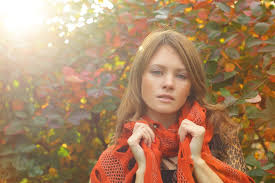
The Art of Outdoor Portrait Photography
Outdoor portrait photography is a popular and captivating form of photography that allows photographers to capture the beauty and essence of their subjects in natural settings. Whether you’re a professional photographer or an amateur enthusiast, outdoor portrait photography offers endless opportunities for creativity and expression.
One of the key advantages of outdoor portrait photography is the abundance of natural light available. Natural light can create soft, flattering lighting that enhances the features of your subject and adds a sense of warmth and authenticity to your photos. By choosing the right time of day and positioning your subject properly in relation to the light source, you can achieve stunning results that are difficult to replicate in a studio setting.
Another benefit of outdoor portrait photography is the variety of backdrops available. From lush green forests to urban cityscapes, each location offers unique textures, colors, and atmospheres that can add depth and interest to your portraits. By carefully selecting your backdrop and composing your shot thoughtfully, you can create visually striking images that tell a story and evoke emotions.
When shooting outdoor portraits, it’s important to consider factors such as weather conditions, time of day, and composition. Pay attention to the direction and quality of light, use reflectors or diffusers to control harsh shadows, and experiment with different angles and perspectives to create dynamic compositions. Additionally, be mindful of your subject’s comfort and surroundings to ensure a positive experience for everyone involved.
Whether you’re photographing friends and family or working with professional models, outdoor portrait photography offers endless possibilities for creative expression. By harnessing the beauty of natural light, exploring diverse locations, and mastering essential techniques, you can capture stunning portraits that resonate with viewers and stand the test of time.
Mastering Outdoor Portrait Photography: Tips, Techniques, and FAQs
- How to shoot portrait photography outside?
- What are 3 types of portrait photography?
- What is the 20 60 20 rule in photography?
- What is the best camera mode for outdoor portraits?
- What settings should I use for outdoor portraits?
- Can portrait photography be outside?
How to shoot portrait photography outside?
When it comes to shooting portrait photography outside, there are several key factors to consider to achieve stunning results. First and foremost, pay attention to the lighting conditions. Opt for soft, diffused natural light whenever possible, such as during the golden hours of sunrise or sunset. Position your subject in relation to the light source to create flattering shadows and highlights. Additionally, consider the background and composition of your shot. Choose a visually appealing backdrop that complements your subject without being distracting. Experiment with different angles and perspectives to add depth and interest to your outdoor portraits. Lastly, be mindful of your subject’s comfort and communicate effectively to capture authentic expressions and emotions in your photos.
What are 3 types of portrait photography?
When it comes to outdoor portrait photography, there are three main types of portrait photography that photographers often explore: environmental portraits, candid portraits, and posed portraits. Environmental portraits aim to capture the subject in their natural surroundings, showcasing their personality and lifestyle within a specific context. Candid portraits focus on capturing authentic moments and emotions, often taken when the subject is unaware of the camera, resulting in genuine and spontaneous expressions. Posed portraits involve more controlled settings where the photographer directs the subject’s pose and expression, allowing for careful composition and attention to detail. Each type of portrait photography offers unique opportunities for creativity and storytelling in outdoor settings.
What is the 20 60 20 rule in photography?
The 20-60-20 rule in photography refers to a composition guideline that suggests dividing your frame into three equal parts: the first 20% on the left, the middle 60%, and the remaining 20% on the right. This rule is commonly used to help photographers create visually balanced and appealing compositions by placing their main subject off-center, either to the left or right, rather than in the center of the frame. By following the 20-60-20 rule, photographers can create more dynamic and engaging images that draw viewers’ attention to the subject while also incorporating negative space for visual interest and balance.
What is the best camera mode for outdoor portraits?
When it comes to outdoor portrait photography, a frequently asked question is, “What is the best camera mode for outdoor portraits?” The answer to this question often depends on the specific lighting conditions and desired creative effects. For most outdoor portrait situations, using aperture priority mode (often denoted as “A” or “Av” on camera settings) can be a popular choice. This mode allows you to control the aperture setting while the camera automatically adjusts the shutter speed to achieve proper exposure. By selecting a wide aperture (such as f/2.8 or f/4), you can create a shallow depth of field that beautifully blurs the background, making your subject stand out. Additionally, using aperture priority mode gives you flexibility in controlling depth of field and capturing stunning outdoor portraits with a professional look.
What settings should I use for outdoor portraits?
When it comes to outdoor portrait photography, one frequently asked question is, “What settings should I use for outdoor portraits?” The settings you choose can significantly impact the outcome of your photos. For outdoor portraits, it is recommended to use a wide aperture (such as f/2.8 or lower) to achieve a shallow depth of field and create a blurred background that emphasizes your subject. Additionally, setting a moderate shutter speed to avoid motion blur and adjusting the ISO based on the available light can help you capture sharp and well-exposed portraits. Experimenting with different settings while considering factors like lighting conditions and desired effects can help you achieve the desired results in your outdoor portrait photography endeavors.
Can portrait photography be outside?
Yes, portrait photography can definitely be done outside. In fact, outdoor portrait photography is a popular and versatile genre that offers photographers the opportunity to capture subjects in natural settings, taking advantage of beautiful natural light and diverse backdrops. Shooting portraits outdoors allows for creativity in composition, use of natural elements as props, and the ability to create visually compelling images that tell a story or evoke emotions. Whether you’re shooting in a park, on a city street, or in the countryside, outdoor portrait photography provides endless opportunities for unique and captivating shots that showcase the beauty of your subject and their surroundings.