
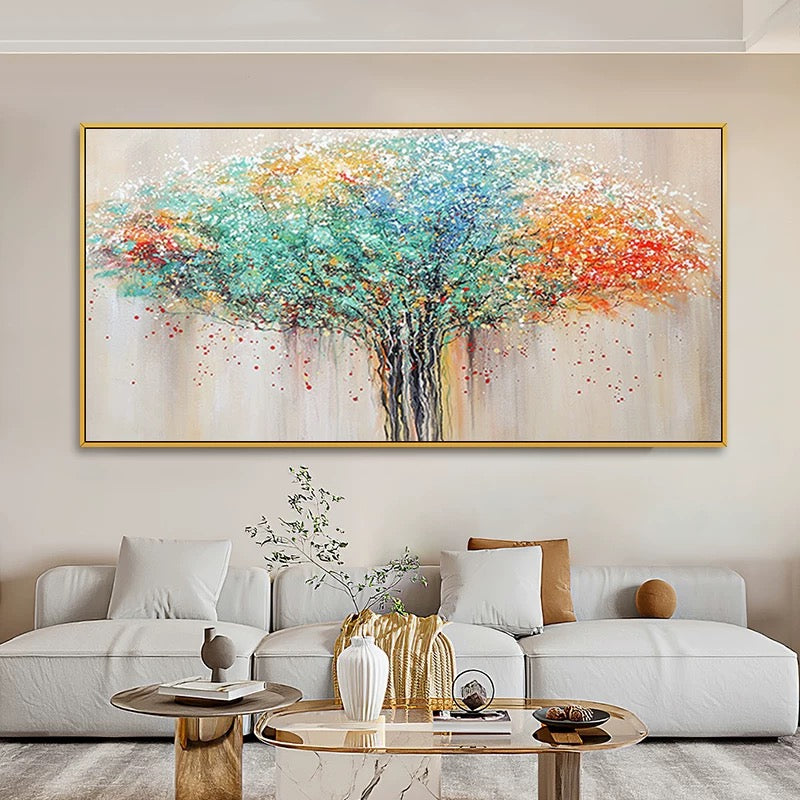
The Beauty of Wall Art Painting
Wall art painting is a timeless form of artistic expression that has the power to transform any space into a captivating and visually appealing environment. Whether it’s a bold mural, an intricate tapestry, or a subtle watercolor, wall art painting adds personality and charm to walls in homes, offices, galleries, and public spaces.
One of the greatest advantages of wall art painting is its versatility. Artists can use a variety of mediums such as acrylics, oils, watercolors, or even digital techniques to create stunning masterpieces that reflect their creativity and vision. From abstract designs to realistic portraits, the possibilities are endless when it comes to wall art painting.
Wall art painting not only enhances the aesthetic appeal of a space but also serves as a form of self-expression for both the artist and the viewer. Each brushstroke and color choice conveys emotions, stories, and messages that can evoke different feelings and interpretations in those who interact with the artwork.
Moreover, wall art painting allows artists to engage with their surroundings in a unique way. By transforming blank walls into vibrant canvases, artists have the opportunity to make a lasting impact on the environment and create immersive experiences that resonate with viewers on a deep level.
Whether you’re looking to add a pop of color to your living room or make a bold statement in your office lobby, wall art painting offers endless possibilities for creativity and inspiration. So next time you’re considering how to enhance your space, consider the beauty and power of wall art painting.
Your Guide to Wall Art Painting: Answers to 9 Frequently Asked Questions
- 1. How do I choose the right wall art painting for my space?
- 2. What are the different types of mediums used in wall art painting?
- 3. Can I commission a custom wall art painting from an artist?
- 4. How do I properly hang and display a wall art painting?
- 5. What are some popular styles or themes in wall art painting?
- 6. Are there any tips for caring for and maintaining wall art paintings?
- 7. How can I create my own DIY wall art paintings at home?
- 8. Where can I find affordable yet high-quality wall art paintings?
- 9. What is the significance of color theory in wall art painting?
1. How do I choose the right wall art painting for my space?
When selecting the perfect wall art painting for your space, it’s essential to consider a few key factors to ensure that it complements the room’s style and ambiance. Start by evaluating the existing decor, color scheme, and overall theme of the space. Choose a painting that harmonizes with these elements while also adding a touch of visual interest and personality. Consider the size of the wall where the painting will be displayed to ensure it fits proportionally. Additionally, think about the mood you want to create in the room – whether you prefer a calming atmosphere with serene landscapes or a vibrant energy with bold abstract art. Ultimately, trust your instincts and select a piece that resonates with you on a personal level, as it will be a reflection of your taste and style in your living space.
2. What are the different types of mediums used in wall art painting?
When it comes to wall art painting, artists have a wide array of mediums at their disposal to create stunning masterpieces. Some of the most commonly used mediums in wall art painting include acrylics, oils, watercolors, and mixed media. Acrylic paints are known for their versatility and fast drying time, making them ideal for artists who prefer quick layering and blending techniques. Oil paints, on the other hand, offer rich colors and a longer drying time, allowing artists to work with intricate details and achieve a traditional, luminous finish. Watercolors are beloved for their transparency and fluidity, perfect for creating delicate washes and ethereal effects on walls. Mixed media techniques combine various materials such as paper, fabric, or found objects with paint to add texture and dimension to wall art paintings. Each medium brings its unique qualities and challenges to the creative process, allowing artists to experiment and push the boundaries of traditional painting techniques in wall art.
3. Can I commission a custom wall art painting from an artist?
For those considering custom wall art painting, the answer is a resounding yes – commissioning a custom piece from an artist is a fantastic way to bring your vision to life and create a unique and personalized work of art for your space. By collaborating with an artist, you have the opportunity to tailor the size, style, color palette, and subject matter of the painting to perfectly suit your preferences and requirements. Commissioning custom wall art painting not only allows you to support artists directly but also ensures that you have a one-of-a-kind masterpiece that reflects your individual taste and aesthetic sensibilities.
4. How do I properly hang and display a wall art painting?
Properly hanging and displaying a wall art painting is essential to showcase the artwork effectively and enhance the overall aesthetic of a space. When hanging a wall art painting, it is important to consider factors such as the size and weight of the artwork, the height at which it should be placed for optimal viewing, and the surrounding decor elements that can complement or accentuate the piece. Using appropriate hardware, such as hooks or wires designed for heavy frames, ensures that the painting is securely mounted on the wall. Additionally, paying attention to lighting conditions and avoiding direct sunlight can help preserve the colors and integrity of the artwork over time. By thoughtfully arranging and displaying a wall art painting, one can create a visually striking focal point that adds character and style to any room.
5. What are some popular styles or themes in wall art painting?
When it comes to popular styles or themes in wall art painting, there is a wide range of options to choose from. Some of the most sought-after styles include abstract art, landscape paintings, floral designs, geometric patterns, and minimalist compositions. Themes such as nature, cityscapes, portraits, animals, and inspirational quotes are also commonly featured in wall art paintings. Each style or theme carries its own unique charm and appeal, allowing individuals to select artwork that resonates with their personal taste and complements their living or working space beautifully.
6. Are there any tips for caring for and maintaining wall art paintings?
Caring for and maintaining wall art paintings is essential to preserve their beauty and longevity. Here are some tips to ensure your wall art remains in top condition: Firstly, avoid hanging paintings in direct sunlight or areas with high humidity to prevent color fading and mold growth. Dusting the artwork regularly with a soft, dry cloth can help prevent dirt buildup. Additionally, consider framing your paintings with UV-protective glass to shield them from harmful light exposure. If you notice any damage or deterioration, it’s best to consult a professional art conservator for proper restoration and conservation techniques. By following these care tips, you can enjoy your wall art paintings for years to come.
7. How can I create my own DIY wall art paintings at home?
Creating your own DIY wall art paintings at home can be a fun and rewarding experience. To start, gather your art supplies such as canvases, paintbrushes, acrylic or watercolor paints, and any other materials you may need. Next, brainstorm ideas for your painting – whether it’s a simple abstract design, a landscape scene, or a personalized quote. Don’t be afraid to experiment and let your creativity flow freely. You can also find inspiration from online tutorials, art books, or nature itself. Once you have a concept in mind, start sketching it out on the canvas and gradually build up layers of paint to bring your vision to life. Remember that there are no strict rules in DIY wall art painting – the most important thing is to enjoy the process and express yourself through your artwork.
8. Where can I find affordable yet high-quality wall art paintings?
When searching for affordable yet high-quality wall art paintings, consider exploring online marketplaces, local art fairs, and independent artists’ websites. Online platforms like Etsy, Society6, and Redbubble offer a wide selection of unique artworks at various price points, allowing you to find pieces that fit your budget without compromising on quality. Additionally, visiting local art fairs or galleries can provide opportunities to discover emerging artists and purchase original paintings directly from the creators. By exploring different avenues and supporting artists directly, you can find affordable wall art paintings that align with your taste and budget while also appreciating the craftsmanship and creativity behind each piece.
9. What is the significance of color theory in wall art painting?
Color theory plays a crucial role in wall art painting as it influences the overall mood, composition, and visual impact of the artwork. Understanding color theory helps artists create harmonious color schemes, balance contrasting colors, and evoke specific emotions or reactions from viewers. By applying principles of color theory such as complementary colors, analogous colors, and color temperature, artists can enhance the depth and meaning of their paintings. The careful selection and arrangement of colors based on color theory principles contribute to the aesthetic appeal and effectiveness of wall art painting in conveying messages or stories through visual language.