
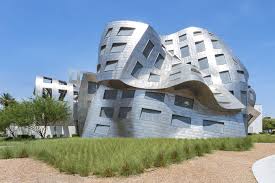
The Iconic Architecture of Frank Gehry
Frank Gehry, born in 1929, is a world-renowned architect known for his groundbreaking and innovative architectural designs. With a career spanning over five decades, Gehry has created some of the most iconic and visually striking buildings around the globe.
Gehry’s architectural style is characterized by its use of unconventional materials, organic shapes, and complex geometries. His designs often challenge traditional architectural norms and push the boundaries of what is possible in the field of architecture.
One of Gehry’s most famous works is the Guggenheim Museum in Bilbao, Spain. Completed in 1997, the museum’s undulating titanium-clad exterior has become a symbol of modern architecture and a major tourist attraction. The building’s dynamic form and innovative use of materials have earned it critical acclaim and numerous awards.
Another notable project by Gehry is the Walt Disney Concert Hall in Los Angeles, California. Completed in 2003, the concert hall features Gehry’s signature curvilinear design and stainless steel cladding. The building’s unique form has made it a beloved landmark in downtown Los Angeles and a popular venue for musical performances.
In addition to his large-scale projects, Gehry has also designed private residences, commercial buildings, and cultural institutions around the world. His distinctive style continues to influence architects and designers globally, inspiring new approaches to form, materiality, and spatial experience.
Frank Gehry’s impact on contemporary architecture cannot be overstated. His bold vision and innovative approach have reshaped the built environment and challenged conventional notions of what architecture can be. As he continues to push boundaries and explore new possibilities in design, Frank Gehry remains a true icon in the world of architecture.
7 Tips to Understand and Appreciate Frank Gehry’s Innovative Architecture
- Frank Gehry’s architecture is known for its innovative and unique designs.
- His use of unconventional materials like titanium and glass creates striking visual effects.
- Gehry’s buildings often feature bold, sculptural forms that challenge traditional architectural norms.
- He is famous for creating iconic structures such as the Guggenheim Museum in Bilbao, Spain.
- Gehry’s designs prioritize both aesthetics and functionality, blending art with practicality.
- His work blurs the line between architecture and sculpture, resulting in dynamic and expressive buildings.
- Studying Frank Gehry’s architectural style can inspire creativity and push boundaries in design.
Frank Gehry’s architecture is known for its innovative and unique designs.
Frank Gehry’s architecture is celebrated for its innovative and distinctive designs that push the boundaries of traditional architectural conventions. With a keen eye for creativity and a bold approach to form and materiality, Gehry’s buildings stand out as iconic landmarks that challenge the status quo of architectural design. His ability to create structures that are both visually striking and functionally innovative has established him as a pioneer in the field of contemporary architecture, inspiring architects and enthusiasts alike to think outside the box and explore new possibilities in the built environment.
His use of unconventional materials like titanium and glass creates striking visual effects.
Frank Gehry’s architectural genius shines through his use of unconventional materials like titanium and glass, which result in striking visual effects that captivate and inspire viewers. By pushing the boundaries of traditional building materials, Gehry is able to create structures that not only defy expectations but also evoke a sense of wonder and awe. The interplay of light and reflections on these unique surfaces adds depth and dynamism to his designs, making them truly unforgettable pieces of architectural art.
Gehry’s buildings often feature bold, sculptural forms that challenge traditional architectural norms.
Gehry’s architectural creations are characterized by their bold and sculptural forms that defy conventional architectural standards. By pushing the boundaries of traditional norms, Gehry’s buildings stand out as iconic landmarks that captivate and inspire viewers. His innovative use of shapes and materials creates a sense of dynamism and creativity in each structure, inviting observers to reconsider their perceptions of space and design. Gehry’s commitment to challenging the status quo in architecture has cemented his reputation as a visionary who continuously reshapes the built environment with his daring and distinctive style.
He is famous for creating iconic structures such as the Guggenheim Museum in Bilbao, Spain.
Frank Gehry is renowned for his architectural prowess in crafting iconic structures that captivate the world, with one of his most notable achievements being the creation of the Guggenheim Museum in Bilbao, Spain. This masterpiece, completed in 1997, showcases Gehry’s distinctive style through its striking titanium-clad exterior and dynamic, fluid form. The Guggenheim Museum stands as a testament to Gehry’s innovative approach to design, cementing his legacy as a visionary architect who pushes boundaries and redefines the possibilities of modern architecture.
Gehry’s designs prioritize both aesthetics and functionality, blending art with practicality.
Frank Gehry’s architectural designs are renowned for striking a harmonious balance between aesthetics and functionality, seamlessly blending artistry with practicality. Each of Gehry’s creations not only captivates with its visually stunning and innovative forms but also serves a purpose, ensuring that beauty is coupled with utility. By prioritizing both aesthetics and functionality in his designs, Gehry elevates architecture to a realm where artistic expression meets the needs of the users, creating spaces that are not only visually captivating but also highly functional and enjoyable to experience.
His work blurs the line between architecture and sculpture, resulting in dynamic and expressive buildings.
Frank Gehry’s architectural creations blur the line between architecture and sculpture, resulting in dynamic and expressive buildings that captivate viewers with their artistic flair. By seamlessly integrating sculptural elements into his architectural designs, Gehry transforms traditional structures into works of art that engage the senses and challenge perceptions of space and form. His ability to infuse buildings with a sense of movement and fluidity showcases his mastery in creating visually stunning environments that push the boundaries of conventional design.
Studying Frank Gehry’s architectural style can inspire creativity and push boundaries in design.
Studying Frank Gehry’s architectural style can inspire creativity and push boundaries in design. By exploring Gehry’s innovative use of materials, organic shapes, and complex geometries, aspiring architects and designers can gain new perspectives on how to approach their own projects. Gehry’s ability to challenge traditional norms and think outside the box serves as a powerful example of how creativity and boldness can lead to groundbreaking design solutions. Embracing Gehry’s influence can encourage individuals to experiment with unconventional ideas, take risks, and ultimately create architecture that is both visually striking and conceptually innovative.