
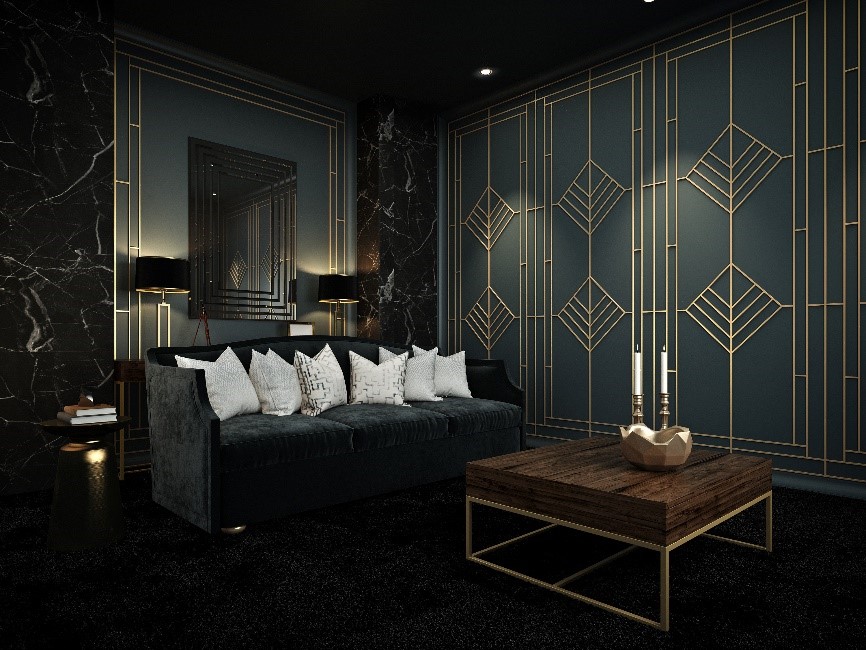
The Timeless Elegance of Art Deco Design
Art Deco design, with its distinctive style and luxurious aesthetic, has captivated art and design enthusiasts for decades. Emerging in the 1920s and 1930s, Art Deco is characterized by geometric shapes, bold colors, and intricate patterns that exude glamour and sophistication.
One of the hallmarks of Art Deco design is its emphasis on symmetry and modernity. From sleek skyscrapers to stylish furniture pieces, Art Deco reflects the optimism and dynamism of the interwar period. The use of materials such as chrome, glass, and lacquer further enhances the sleek and polished look of Art Deco creations.
Art Deco design can be seen in a wide range of artistic disciplines, including architecture, interior design, fashion, jewelry, and visual arts. Iconic landmarks such as the Chrysler Building in New York City and the Hoover Dam showcase the grandeur and elegance of Art Deco architecture.
In interior design, Art Deco elements such as mirrored surfaces, velvet upholstery, and geometric patterns create a sense of opulence and luxury. Furniture pieces featuring streamlined silhouettes and exotic materials like ebony and ivory are quintessential examples of Art Deco style.
The influence of Art Deco design can also be seen in fashion trends from the era, with designers incorporating geometric motifs, metallic fabrics, and bold color combinations into their creations. Jewelry inspired by the Art Deco movement often features geometric shapes like triangles and rectangles adorned with diamonds or colorful gemstones.
Even today, the allure of Art Deco design endures as a timeless symbol of elegance and sophistication. Whether admiring a vintage Art Deco building or incorporating Art Deco-inspired elements into contemporary interiors, one cannot deny the enduring appeal of this iconic design movement.
Discover the Allure of Art Deco: Timeless Elegance and Modern Appeal
- 1. Timeless Elegance
- 2. Luxurious Aesthetic
- 3. Modern Appeal
- 4. Versatile Style
- 5. Historical Significance
5 Drawbacks of Art Deco Design: Why It Might Not Be the Right Fit for You
- Limited color palette
- Can be expensive
- May feel too formal
- Not suited for minimalist styles
- Limited availability of authentic pieces
1. Timeless Elegance
Art Deco design is celebrated for its timeless elegance, embodying a sophisticated allure that transcends trends and remains perpetually chic. With its harmonious blend of geometric shapes, luxurious materials, and bold colors, Art Deco exudes a sense of refinement and sophistication that effortlessly stands the test of time. Whether adorning architectural marvels, interior spaces, or fashion ensembles, the enduring appeal of Art Deco lies in its ability to infuse any setting with an air of timeless grace and sophistication that never fails to captivate admirers.
2. Luxurious Aesthetic
The luxurious aesthetic of Art Deco design is truly captivating, as it seamlessly blends bold colors, geometric shapes, and intricate patterns to evoke a sense of opulence and grandeur. Each element works harmoniously to elevate the overall look, exuding a lavish charm that is both visually striking and inherently sophisticated. The rich color palette and precise geometric forms contribute to a feeling of luxury that transcends time, making Art Deco design a timeless choice for those seeking to infuse their spaces with elegance and refinement.
3. Modern Appeal
Art Deco design’s modern appeal lies in its emphasis on symmetry and modernity, which effortlessly infuses a touch of contemporary flair into any space or object. The geometric shapes, bold colors, and sleek lines characteristic of Art Deco create a sense of sophistication and style that resonates with modern aesthetics. Whether incorporated into architectural elements, furniture pieces, or decorative accents, Art Deco design brings a timeless yet fresh perspective that elevates the visual appeal of any setting.
4. Versatile Style
Art Deco design’s versatility shines through its ability to transcend different artistic disciplines, making it a standout feature of this iconic style. From the sleek lines of Art Deco architecture to the opulent interiors of Art Deco-inspired spaces, this design aesthetic seamlessly adapts to various forms of expression. In fashion and jewelry, Art Deco’s geometric patterns and luxurious materials continue to inspire designers, highlighting its enduring appeal and adaptability across different creative realms.
5. Historical Significance
Art Deco design’s historical significance lies in its pivotal role as a major movement in the evolution of art and design. With its cultural importance and enduring legacy, Art Deco continues to serve as a source of inspiration for artists, designers, and creatives across various disciplines. Its influence can be seen in contemporary works that pay homage to the iconic style and innovative spirit of the Art Deco era, showcasing how this artistic movement remains relevant and continues to shape creative expressions in the modern world.
Limited color palette
One notable con of Art Deco design is its reliance on a limited color palette of bold and contrasting colors. While this approach can create a striking and dynamic visual impact, it may not necessarily appeal to individuals who prefer more subtle or muted tones in their living spaces or artistic preferences. The vibrant and high-contrast color schemes characteristic of Art Deco design can sometimes be overwhelming or too visually stimulating for those seeking a more understated and calming aesthetic in their surroundings.
Can be expensive
The con of Art Deco design lies in its potential expense. The luxurious materials and intricate craftsmanship synonymous with Art Deco aesthetics can result in a higher price tag, making it a lavish and costly option for decorating or furnishing spaces. This aspect of Art Deco design may pose a challenge for individuals seeking to incorporate its opulent style into their surroundings while adhering to a budget.
May feel too formal
The opulent and glamorous nature of Art Deco design, while undeniably luxurious, may not appeal to everyone due to its tendency to feel overly formal or ostentatious. For individuals who prefer a more relaxed or casual aesthetic in their living spaces, the bold geometric shapes, rich colors, and lavish materials associated with Art Deco design could potentially create an atmosphere that feels too grandiose or imposing. This con highlights the importance of considering personal preferences and lifestyle when choosing a design style to ensure that it aligns with one’s desired ambiance and comfort level.
Not suited for minimalist styles
The elaborate detailing and decorative elements that define Art Deco design can present a challenge when trying to incorporate this style into minimalist interiors. The opulence and intricate patterns of Art Deco may clash with the clean lines and simplicity that are central to minimalist design aesthetics. The ornate nature of Art Deco furnishings and decor can overwhelm the understated elegance of minimalist spaces, creating a visual discord that detracts from the harmonious balance sought in minimalist design. Finding a cohesive integration of Art Deco elements within a minimalist setting requires careful consideration and restraint to ensure a seamless blend of styles without compromising the essence of either design approach.
Limited availability of authentic pieces
The limited availability of authentic Art Deco pieces poses a significant challenge for enthusiasts seeking to incorporate genuine vintage items into their collections or designs. With original pieces becoming increasingly rare and sought after, many individuals may resort to purchasing reproductions that lack the same historical significance and craftsmanship as the originals. While these replicas may capture the aesthetic appeal of Art Deco design, they often lack the authenticity and unique character that come with owning a true vintage piece, highlighting the struggle faced by collectors and admirers in preserving the legacy of this iconic design movement.