
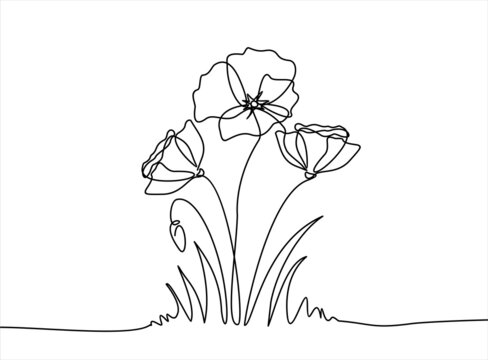
Line Art Drawing: A Guide to Creating выразive Images with Lines
Line art is a style of drawing that uses lines to describe shapes, forms, and details. It can be simple and minimal or intricate and highly detailed. From quick sketches and comic illustrations to botanical studies and decorative designs, line art offers a versatile way to turn ideas into images.
What Is Line Art?
Line art is artwork in which lines are the main visual element. Artists use outlines, contours, and interior marks to suggest an object’s shape, texture, and depth. Traditional line art is often made in black and white, but it can also include color, varied line weights, or shaded areas.
Unlike a drawing that relies heavily on tonal shading, line art often leaves much of the paper or canvas untouched. The viewer’s eye fills in the spaces between marks, making even a few well-placed lines feel expressive.
Common Types of Line Art
- Contour drawing: Uses outlines to define the edges and shapes of a subject.
- Continuous-line drawing: Creates an image with one unbroken line, encouraging a loose and flowing style.
- Gesture drawing: Uses quick, energetic marks to capture a subject’s movement and overall pose.
- Hatching and cross-hatching: Builds shadows and texture with parallel lines or intersecting sets of lines.
- Decorative line art: Combines patterns, repeating shapes, and carefully arranged details for a stylized effect.
Tools for Line Art
You can create line art with simple materials. A pencil and paper are enough to begin. For darker, more defined marks, try fineliners, technical pens, brush pens, or markers. Different tools produce different results: a fineliner tends to create a consistent stroke, while a brush pen can make lines that vary from thin to thick.
Digital artists can use a drawing tablet or touchscreen with a stylus. Drawing software often includes adjustable brushes, layers, and undo tools, which make it easy to experiment. Whether working traditionally or digitally, choose tools that feel comfortable and suit the look you want.
How to Create a Line Art Drawing
- Choose a subject. Start with a simple object, plant, animal, or face. Familiar subjects are often easier to observe and draw.
- Look for the main shapes. Before adding details, notice the subject’s overall proportions and the direction of its major forms.
- Sketch lightly. Use a pencil to map out the composition. Keep early marks loose so you can adjust the shapes as needed.
- Trace the important contours. Decide which edges best describe the subject. You do not need to outline every part; selective lines can make a drawing feel lighter and more natural.
- Vary your lines. Use thicker marks for emphasis or shadow and thinner marks for delicate details. Changes in line weight can help create depth and direct attention.
- Add details and texture. Use short marks, dots, or hatching to describe features such as fur, leaves, fabric, or wood grain.
- Review the drawing. Remove unnecessary construction lines, strengthen key contours, and leave open areas where extra marks are not needed.
Tips for Stronger Line Art
Observe before drawing. Pay attention to the spaces around and within the subject, not just its outline. Negative space can help you judge proportions and placement.
Practice confident strokes. Slow, hesitant marks can become shaky. Try making a few practice strokes before committing to a line, and draw from the shoulder when creating longer curves.
Use line weight with purpose. A heavier line can make an area appear closer, darker, or more important. A lighter line can suggest a subtle edge or a surface catching light.
Keep details under control. Adding more lines does not always make a drawing better. A few intentional marks can communicate form more clearly than a crowded collection of details.
Experiment with imperfection. Lines do not have to be perfectly smooth or uniform. Irregular marks can give a drawing warmth, character, and a handmade quality.
Why Practice Line Art?
Line art helps develop observation, hand control, and an understanding of shape and composition. It can also be a relaxing way to explore creativity because it does not require a large set of materials. Beginners can start with simple subjects, while experienced artists can use line work to develop a distinctive style.
The key is to keep drawing and to notice how each mark contributes to the whole image. With practice, lines can do more than define an outline—they can suggest movement, texture, mood, and personality.
Line Art Drawing: Essential FAQs for Beginners
- What is line art drawing?
- What tools do I need to create line art?
- How do I get better at drawing clean, confident lines?
- How do artists add shading and texture to line art?
- What are some easy subjects for beginners to draw in line art?
What is line art drawing?
Line art drawing is an artwork made primarily with lines to define shapes, outlines, and details. It can be simple or highly detailed, and may use lines of different thicknesses, curves, and patterns to suggest texture, movement, or depth. Although line art is often created in black and white, artists can also add color or shading.
What tools do I need to create line art?
You can create line art with just paper and a pencil, but pens and markers can give your lines a cleaner, more defined look. Try a fineliner or technical pen for consistent strokes, or a brush pen for lines that vary in thickness. If you prefer digital drawing, use a tablet or touchscreen with a stylus and drawing software. Choose tools that feel comfortable—simple supplies are all you need to get started.
How do I get better at drawing clean, confident lines?
To draw cleaner, more confident lines, practice making each stroke in one deliberate motion rather than slowly tracing it. Warm up with straight lines, curves, circles, and waves, using your shoulder or elbow for longer strokes and your wrist for small details. Lightly plan the shape first, then commit to the final line; rotating the paper or canvas can also make awkward angles easier. Keep your hand relaxed, vary your line speed, and avoid correcting every mark with repeated short strokes. Regular short practice sessions will help your lines become steadier over time.
How do artists add shading and texture to line art?
Artists add shading and texture to line art by varying the marks they make. Parallel lines, called hatching, can suggest shadows, while overlapping lines, or cross-hatching, create darker areas. Dots, short strokes, and repeated patterns can indicate textures such as fur, fabric, or stone. Artists also vary line weight—using thicker, darker lines for deep shadows and thinner, lighter lines for highlights or delicate details. Keeping the marks consistent with the subject’s form and the direction of the light helps the drawing feel dimensional.
What are some easy subjects for beginners to draw in line art?
Easy subjects for beginners to draw in line art include simple everyday objects, such as mugs, fruit, books, leaves, and houseplants. These subjects have clear shapes and are easy to observe, making them useful for practicing outlines, curves, and line weight. You can also try basic geometric forms, simple flowers, or a favorite pet, starting with the largest shapes before adding small details.