
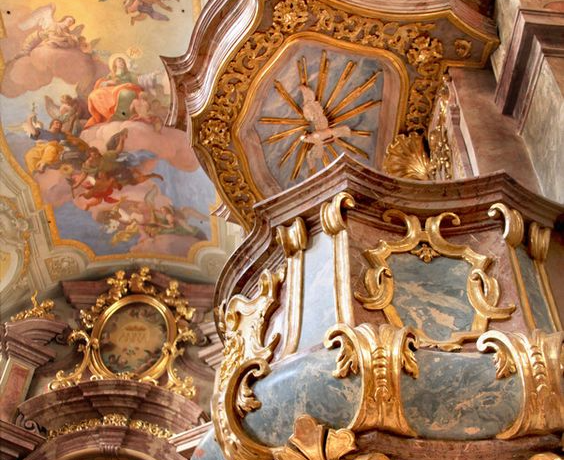
The Baroque Period: A Rich and Ornate Era in Art and Culture
The Baroque period, spanning roughly from the early 17th century to the mid-18th century, was a time of grandeur, extravagance, and emotional intensity in art, architecture, music, and literature. Characterized by its ornate details, dramatic lighting, and dynamic compositions, Baroque art and culture left a lasting impact on the artistic world.
Originating in Italy, the Baroque style quickly spread throughout Europe, influencing artists such as Caravaggio, Bernini, Rubens, and Rembrandt. Baroque art often depicted religious themes with heightened emotion and theatricality. Artists used techniques such as chiaroscuro (contrasting light and shadow), tenebrism (dramatic illumination), and foreshortening to create powerful visual effects that captured the viewer’s attention.
In architecture, the Baroque period saw the construction of elaborate churches, palaces, and public buildings adorned with intricate decorations such as frescoes, stucco work, and sculptures. Prominent examples of Baroque architecture include St. Peter’s Basilica in Rome, the Palace of Versailles in France, and the Würzburg Residence in Germany.
Baroque music was characterized by its complexity, ornamentation, and emotional depth. Composers such as Bach, Vivaldi, Handel, and Monteverdi produced masterpieces that showcased intricate melodies, rich harmonies, and dynamic contrasts. The development of new musical forms such as opera and oratorio further enriched the musical landscape of the Baroque era.
While the Baroque period is often associated with opulence and grandeur, it also reflected a deep spiritual fervor and a desire to evoke powerful emotions in viewers and listeners. The fusion of artistry with emotionality created a unique aesthetic that continues to captivate audiences around the world.
Today, the legacy of the Baroque period lives on through its influence on subsequent artistic movements and its enduring presence in museums, concert halls, and architectural landmarks. The rich tapestry of creativity woven during the Baroque era serves as a testament to human ingenuity and passion for beauty that transcends time.
Exploring Baroque: 6 Key Insights into Art, Music, and Literature
- Baroque art and architecture is known for its ornate decorations and dramatic use of light and shadow.
- Baroque music often features complex melodies, ornamental flourishes, and dramatic contrasts in volume and dynamics.
- Baroque literature is characterized by elaborate language, symbolism, and themes that often reflect the religious and political contexts of the time.
- Baroque artists frequently depicted religious subjects with emotional intensity, aiming to evoke strong emotional responses from viewers.
- Baroque period spanned roughly from the late 16th century to the early 18th century in Europe, following the Renaissance era.
- Key Baroque artists include Caravaggio, Bernini, Rembrandt, Bach, Vivaldi, and Handel who made significant contributions to their respective fields during this period.
Baroque art and architecture is known for its ornate decorations and dramatic use of light and shadow.
Baroque art and architecture are renowned for their intricate embellishments and striking manipulation of light and shadow. This artistic style, characterized by its elaborate details and theatrical lighting effects, creates a sense of depth, drama, and emotional intensity in both visual compositions and structural designs. The interplay of light and shadow in Baroque works adds a dynamic quality that captivates viewers and enhances the overall impact of the artwork or building.
Baroque music often features complex melodies, ornamental flourishes, and dramatic contrasts in volume and dynamics.
Baroque music is characterized by its intricate melodies, elaborate ornamentation, and striking variations in volume and dynamics. Composers of the Baroque era, such as Bach and Handel, crafted pieces that showcased a rich tapestry of musical elements, ranging from delicate embellishments to powerful crescendos. The use of ornamental flourishes and dramatic contrasts in volume created a dynamic and emotionally engaging listening experience that defined the unique sound of Baroque music.
Baroque literature is characterized by elaborate language, symbolism, and themes that often reflect the religious and political contexts of the time.
Baroque literature is distinguished by its intricate language, rich symbolism, and profound themes that frequently mirror the religious and political milieu of the era. Writers of the Baroque period employed ornate prose, allegorical imagery, and complex narratives to convey deeper meanings and explore the complexities of society, faith, and power dynamics prevalent during that time. Through their works, Baroque authors sought to illuminate the spiritual and political struggles of their age, creating a literary legacy that continues to resonate with readers today.
Baroque artists frequently depicted religious subjects with emotional intensity, aiming to evoke strong emotional responses from viewers.
Baroque artists often portrayed religious themes with a heightened emotional fervor, seeking to elicit powerful reactions from their audience. Through the use of dramatic lighting, dynamic compositions, and intense expressions, Baroque artworks aimed to stir deep emotions and engage viewers on a visceral level. The emphasis on emotional intensity in depicting religious subjects was a defining characteristic of Baroque art, reflecting the era’s penchant for theatricality and spiritual fervency.
Baroque period spanned roughly from the late 16th century to the early 18th century in Europe, following the Renaissance era.
The Baroque period, which extended from the late 16th century to the early 18th century in Europe, emerged as a vibrant and dynamic artistic movement following the Renaissance era. Characterized by its ornate details, dramatic lighting, and emotional intensity, Baroque art and culture represented a shift towards grandeur and theatricality in response to the more restrained aesthetics of the Renaissance. Artists of the Baroque period sought to evoke powerful emotions in viewers through elaborate compositions and heightened realism, leaving a lasting impact on the artistic landscape of Europe.
Key Baroque artists include Caravaggio, Bernini, Rembrandt, Bach, Vivaldi, and Handel who made significant contributions to their respective fields during this period.
Key Baroque artists such as Caravaggio, Bernini, Rembrandt, Bach, Vivaldi, and Handel made significant contributions to their respective fields during this period. Caravaggio’s revolutionary use of chiaroscuro and naturalism in painting, Bernini’s dynamic sculptures and architectural designs, Rembrandt’s mastery of light and shadow in his portraits, and Bach, Vivaldi, and Handel’s innovations in music composition all helped define the Baroque era as a time of artistic brilliance and innovation. Their works continue to inspire and captivate audiences with their emotional depth and technical mastery centuries after their creation.