
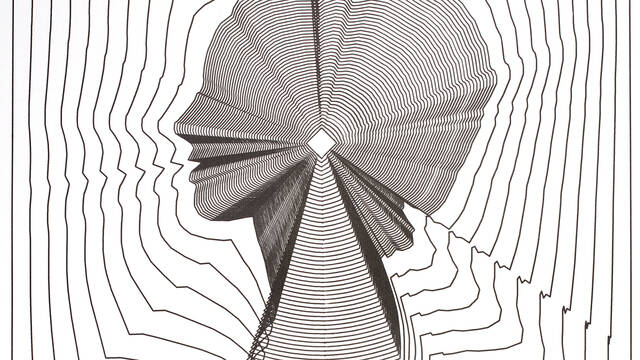
The Rise of Digital Visual Art
In the digital age, art has evolved beyond traditional mediums to encompass the realm of digital visual art. With the advancements in technology and the accessibility of digital tools, artists are exploring new ways to create and express themselves through digital mediums.
Digital visual art encompasses a wide range of artistic forms, including digital painting, 3D modeling, animation, graphic design, and interactive installations. Artists are using software programs and digital devices to manipulate images, create virtual worlds, and push the boundaries of traditional art forms.
One of the key advantages of digital visual art is its versatility and accessibility. Artists can work on their creations from anywhere with a computer or tablet, eliminating the need for expensive art supplies or studio space. Digital tools also allow for easy editing, experimentation, and collaboration with other artists across the globe.
Furthermore, digital visual art opens up new possibilities for interactivity and engagement with audiences. Interactive installations and virtual reality experiences blur the lines between art and technology, inviting viewers to immerse themselves in a multisensory artistic experience.
As digital visual art continues to gain popularity and recognition in the art world, it challenges traditional notions of what constitutes art and how it is created. Artists are embracing technology as a medium for self-expression and pushing the boundaries of creativity in exciting new ways.
Whether through intricate digital illustrations or immersive virtual environments, digital visual art offers a dynamic canvas for artists to explore their ideas and visions in the ever-evolving landscape of contemporary art.
Exploring the Advantages of Digital Visual Art: Versatility, Accessibility, and More
Challenges Facing Digital Visual Art: From Technology Dependence to Recognition Issues
- Dependence on technology may lead to technical issues or software limitations.
- Digital art may lack the tactile and physical qualities of traditional art forms.
- Accessibility barriers for artists without access to expensive digital tools or software.
- Potential for unauthorized reproduction and distribution of digital artworks online.
- Difficulty in establishing provenance and authenticity of digital art pieces.
- Limited acceptance and recognition of digital visual art in traditional art institutions.
Versatility
Digital visual art offers unparalleled versatility to artists by providing access to a vast array of tools and techniques. This flexibility empowers artists to experiment, explore, and create in ways that were once unimaginable. From digital painting and 3D modeling to animation and graphic design, the possibilities are endless. This freedom to mix and match different mediums and styles allows artists to push boundaries, innovate, and produce truly unique and groundbreaking artworks that captivate audiences worldwide.
Accessibility
The accessibility of digital visual art is a significant advantage for artists, as it allows them to create their work from virtually anywhere using just a computer or tablet. This eliminates the financial barrier of needing expensive traditional art supplies and studio space, making it easier for artists to explore their creativity and express themselves without constraints. By leveraging digital tools, artists can unleash their imagination and bring their artistic visions to life with greater flexibility and convenience than ever before.
Editability
One significant advantage of digital visual art is its editability. Digital artworks can be easily edited and revised, providing artists with the flexibility to experiment and refine their creations without having to start from scratch. This feature allows artists to explore different techniques, colors, compositions, and styles without the fear of making irreversible mistakes. The ability to undo, redo, and make precise adjustments empowers artists to push their creative boundaries and achieve their artistic vision with greater ease and efficiency in the digital realm.
Interactivity
Digital visual art presents a compelling pro in the form of interactivity, where artists can create interactive installations and virtual reality experiences that captivate audiences and draw them into immersive artistic encounters. Through digital tools and technology, artists can craft dynamic artworks that invite viewers to actively participate, explore, and engage with the art in ways that traditional mediums cannot replicate. This interactive element not only enhances the viewer’s experience but also challenges the boundaries of conventional art forms, making digital visual art a powerful medium for fostering meaningful connections between artists and audiences.
Global Collaboration
In the realm of digital visual art, one notable advantage is the opportunity for global collaboration. Artists can easily connect and collaborate with other creatives from diverse backgrounds and locations worldwide, fostering a rich exchange of ideas, techniques, and inspiration in real-time through digital platforms. This seamless connectivity transcends geographical boundaries, allowing artists to work together on projects, share feedback, and collectively push the boundaries of creativity in ways that were previously limited by physical distance.
Dependence on technology may lead to technical issues or software limitations.
A significant con of digital visual art is the reliance on technology, which can potentially result in technical issues or software limitations that hinder the creative process. Artists working digitally may encounter challenges such as software crashes, compatibility issues, or hardware malfunctions that disrupt their workflow and impede their ability to bring their artistic vision to life. Additionally, as technology rapidly evolves, artists may find themselves constrained by the limitations of outdated software or hardware, limiting their creative possibilities and forcing them to adapt to new tools and techniques. This dependence on technology introduces a level of unpredictability and vulnerability that traditional artists may not face, highlighting a drawback of creating art in the digital realm.
Digital art may lack the tactile and physical qualities of traditional art forms.
Digital visual art, while offering a plethora of creative possibilities, may fall short in providing the tactile and physical qualities that are inherent in traditional art forms. The absence of the physical interaction with materials like paint, canvas, or clay in digital art can create a disconnect for some artists and viewers who value the sensory experience of creating and engaging with art. The tactile nature of traditional art forms often adds depth and richness to the artistic process, allowing for a more intimate connection between the artist and their work. In contrast, digital art may sometimes feel more detached and less tangible, highlighting a significant drawback for those who appreciate the hands-on aspect of traditional artistic expression.
Accessibility barriers for artists without access to expensive digital tools or software.
One significant drawback of digital visual art is the presence of accessibility barriers for artists who do not have access to expensive digital tools or software. The cost of high-quality software programs, graphic tablets, and other necessary tools can create a financial barrier for many aspiring artists, limiting their ability to fully explore and express their creativity in the digital realm. This disparity in access to resources can hinder the growth and participation of talented individuals who may not have the means to invest in expensive technology, ultimately narrowing the diversity and inclusivity of the digital art community.
Potential for unauthorized reproduction and distribution of digital artworks online.
One significant con of digital visual art is the potential for unauthorized reproduction and distribution of digital artworks online. With the ease of copying and sharing digital files, artists face the risk of having their creations stolen or exploited without their consent. This not only undermines the artist’s ability to control the distribution and monetization of their work but also devalues the originality and uniqueness of the art piece. The widespread nature of online platforms further complicates the issue, making it challenging for artists to protect their intellectual property rights in the digital realm.
Difficulty in establishing provenance and authenticity of digital art pieces.
One significant challenge of digital visual art is the difficulty in establishing provenance and authenticity of digital art pieces. Unlike traditional physical artworks that have tangible signatures, stamps, or certificates of authenticity, digital art pieces can be easily replicated, altered, or shared without clear documentation of their origin or ownership. This lack of a reliable system for verifying the provenance and authenticity of digital art poses a concern for artists, collectors, and institutions seeking to ensure the value and integrity of these artworks in the digital realm.
Limited acceptance and recognition of digital visual art in traditional art institutions.
One significant con of digital visual art is the limited acceptance and recognition it receives in traditional art institutions. Despite the growing popularity and innovation within the realm of digital art, many traditional art establishments still uphold a preference for traditional mediums and techniques. This bias can lead to digital artists facing challenges in gaining exposure, securing opportunities for exhibition, and receiving critical acclaim within the established art world. The lack of institutional recognition for digital visual art can hinder the growth and legitimacy of this dynamic and evolving artistic medium, perpetuating a divide between traditional and digital art forms in the broader artistic landscape.