
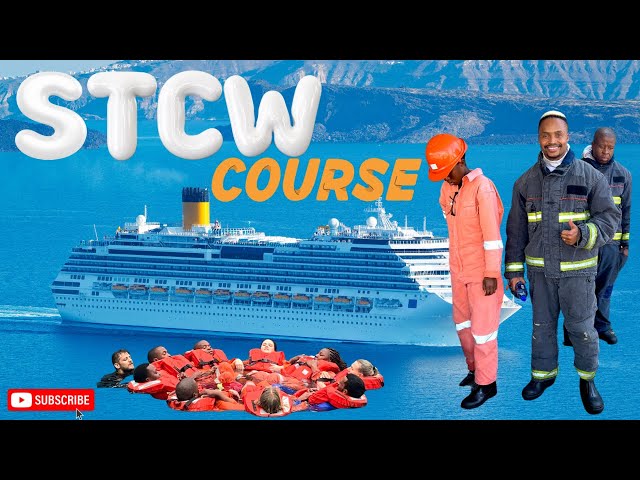
STCW Course: Essential Training for Maritime Professionals
The Standards of Training, Certification, and Watchkeeping (STCW) course is a crucial training program designed for maritime professionals to ensure the safety and competency of personnel working onboard seagoing vessels. Mandated by the International Maritime Organization (IMO), the STCW course sets international standards for training and certification in key areas such as firefighting, personal survival techniques, first aid, and more.
Maritime professionals, including deck officers, engineers, and crew members, are required to undergo STCW training to acquire the necessary skills and knowledge to respond effectively to emergencies at sea and perform their duties efficiently. The course covers a wide range of topics essential for safe navigation, operation, and maintenance of vessels while adhering to international regulations and best practices.
One of the primary objectives of the STCW course is to ensure that maritime personnel are well-prepared to handle various emergency situations that may arise during voyages, such as fires, collisions, man overboard incidents, or medical emergencies. By equipping professionals with practical skills in firefighting techniques, lifeboat operations, first aid procedures, and survival at sea, the STCW course aims to enhance onboard safety and security for both crew members and passengers.
Moreover, the STCW course emphasizes the importance of teamwork, communication, leadership, and decision-making skills in a maritime environment. Participants learn how to effectively collaborate with fellow crew members during emergencies, follow established protocols and procedures, communicate clearly under pressure, and take decisive actions to mitigate risks and ensure the well-being of all individuals onboard.
In addition to hands-on training exercises and simulations conducted in controlled environments like training centers or simulators, the STCW course also includes theoretical components that cover relevant maritime regulations, industry standards, safety guidelines, and best practices. Participants are required to demonstrate their understanding of key concepts through assessments and examinations to obtain certification upon successful completion of the course.
Overall, the STCW course plays a vital role in enhancing the professionalism and competence of maritime professionals worldwide. By providing comprehensive training in essential skills related to safety at sea, emergency response procedures, personal survival techniques, and more, the STCW course contributes to creating a safer maritime industry where qualified personnel can effectively navigate challenges and contribute to safe voyages across oceans.
Essential FAQs About the STCW Course for Maritime Professionals
- What is the STCW course?
- Why is the STCW course important for maritime professionals?
- What topics are covered in the STCW course?
- Who needs to take the STCW course?
- How long does the STCW course typically last?
- Are there any prerequisites for enrolling in the STCW course?
- Where can I take the STCW course?
- Is certification from the STCW course internationally recognized?
What is the STCW course?
The STCW course, short for Standards of Training, Certification, and Watchkeeping, is a mandatory training program established by the International Maritime Organization (IMO) to ensure the proficiency and safety of maritime personnel working on seagoing vessels. This comprehensive course covers a range of essential topics such as firefighting, personal survival techniques, first aid, and more to equip maritime professionals with the necessary skills and knowledge to respond effectively to emergencies at sea and carry out their responsibilities efficiently. By setting international standards for training and certification in key areas related to maritime operations, the STCW course plays a crucial role in promoting safety, professionalism, and compliance within the global maritime industry.
Why is the STCW course important for maritime professionals?
The STCW course is essential for maritime professionals because it equips them with the necessary skills and knowledge to ensure safety, competency, and compliance with international standards while working onboard seagoing vessels. By undergoing STCW training, maritime professionals learn vital techniques in firefighting, personal survival, first aid, and emergency response that are crucial for handling unforeseen situations at sea. The course emphasizes teamwork, communication, leadership, and decision-making skills to enhance onboard safety and security for both crew members and passengers. Additionally, the STCW course covers a wide range of topics that are fundamental to safe navigation, operation, and maintenance of vessels in adherence to international regulations and best practices. Overall, the STCW course plays a pivotal role in preparing maritime professionals to effectively respond to emergencies at sea, mitigate risks, and contribute to a safer maritime industry globally.
What topics are covered in the STCW course?
The STCW course covers a wide range of essential topics designed to equip maritime professionals with the necessary skills and knowledge to ensure safety and competency onboard seagoing vessels. Some of the key areas addressed in the STCW course include firefighting techniques, personal survival techniques, first aid procedures, maritime security awareness, ship stability and cargo operations, prevention of marine pollution, communication and teamwork skills, as well as legal and regulatory requirements governing maritime operations. By addressing these critical topics, the STCW course aims to prepare participants to respond effectively to emergencies at sea, adhere to international standards and best practices, and contribute to a safe and secure maritime environment for all individuals onboard.
Who needs to take the STCW course?
Maritime professionals working onboard seagoing vessels, including deck officers, engineers, and crew members, are required to take the STCW course to ensure compliance with international standards for training and certification. The course is essential for individuals seeking to enhance their skills and knowledge in key areas such as firefighting, personal survival techniques, first aid, and more. By undergoing STCW training, personnel can acquire the necessary competencies to respond effectively to emergencies at sea, maintain safety onboard vessels, and perform their duties with professionalism and proficiency. Whether seasoned seafarers or aspiring maritime professionals, anyone involved in maritime operations can benefit from the comprehensive training provided by the STCW course.
How long does the STCW course typically last?
The duration of the STCW course can vary depending on the specific training provider and the type of program being offered. In general, the STCW basic safety training course, which is a common requirement for maritime professionals, typically lasts between five to ten days. This duration allows participants to receive comprehensive instruction and hands-on training in essential areas such as firefighting, personal survival techniques, first aid, and more. However, there are also specialized STCW courses that focus on specific skills or areas of expertise within the maritime industry, which may have varying durations ranging from a few days to several weeks. It is important for individuals seeking STCW certification to inquire about the specific course duration and schedule when enrolling in a program to ensure they meet all necessary training requirements within the designated timeframe.
Are there any prerequisites for enrolling in the STCW course?
Prospective participants often inquire about the prerequisites for enrolling in the STCW course. While specific requirements may vary depending on the training provider and the type of STCW course being offered, most programs typically have certain prerequisites that applicants must meet. Common prerequisites may include a minimum age requirement, physical fitness standards, basic knowledge of English to understand course materials and instructions, and relevant medical certifications to ensure that participants are fit for the physical demands of maritime work. Additionally, some STCW courses may have specific educational backgrounds or prior experience in the maritime industry as prerequisites to ensure that participants have a foundational understanding of maritime operations before undertaking advanced training. It is advisable for individuals interested in enrolling in an STCW course to check with the training provider or consult the course guidelines to determine the specific prerequisites required for participation.
Where can I take the STCW course?
Individuals interested in taking the STCW course can typically enroll in accredited maritime training centers, institutions, or schools that offer approved STCW courses. These training facilities are located in various maritime hubs around the world and cater to aspiring and experienced maritime professionals seeking to enhance their skills and obtain STCW certification. It is essential to research and select a reputable training provider that meets the requirements set forth by the International Maritime Organization (IMO) to ensure that the STCW course taken is recognized globally and adheres to industry standards. Additionally, some training centers may offer online or blended learning options for greater accessibility and flexibility in completing the course requirements.
Is certification from the STCW course internationally recognized?
Yes, certification from the STCW course is internationally recognized. The Standards of Training, Certification, and Watchkeeping (STCW) course sets global standards for the training and certification of maritime professionals to ensure competency and safety at sea. The certification obtained upon successful completion of the STCW course is widely accepted by maritime authorities, shipping companies, and regulatory bodies worldwide. This recognition allows certified individuals to work on seagoing vessels internationally, demonstrating their compliance with international regulations and their proficiency in essential skills required for maritime operations.