
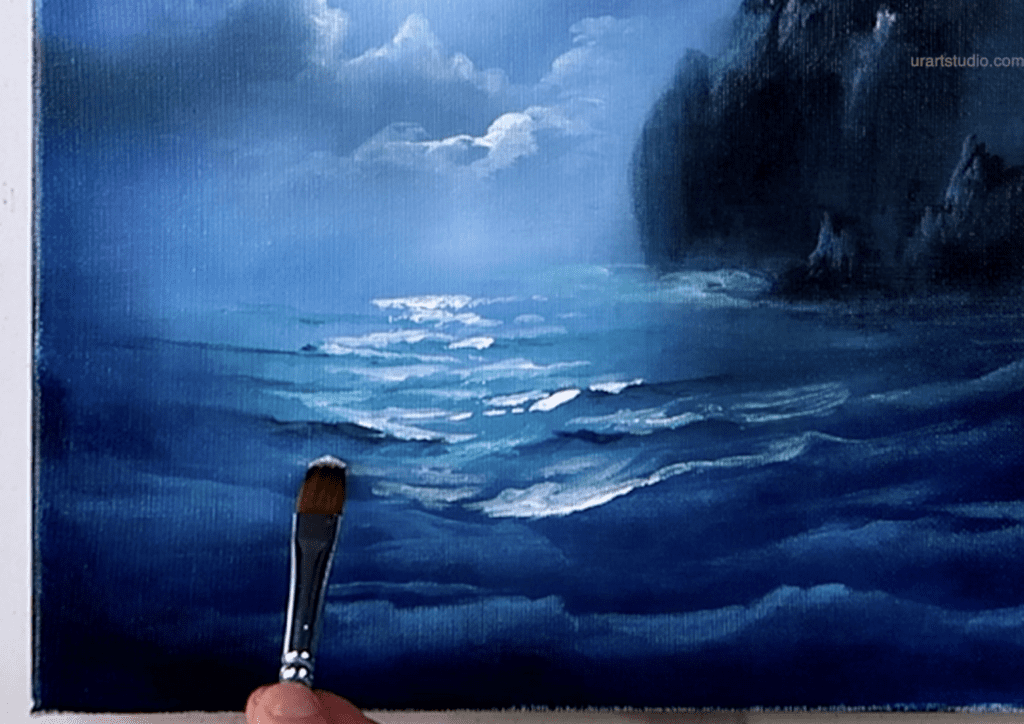
The Magic of Night Painting
Painting at night offers a unique and enchanting experience for artists seeking to capture the mysterious beauty of the nighttime world. The play of light and shadow, the glow of artificial lights, and the stillness of the night create a captivating atmosphere that can inspire truly remarkable works of art.
One of the key challenges of night painting is capturing the subtle nuances of color and light in low-light conditions. Artists often use techniques such as underpainting with dark tones to establish a foundation for their composition before adding layers of color to create depth and luminosity.
Working at night also requires a different approach to composition and perspective. Artists must carefully observe how light interacts with their surroundings, creating dramatic contrasts and highlighting focal points to guide the viewer’s eye through the painting.
Many famous artists throughout history have been drawn to the magic of night painting. The Impressionists, known for their innovative use of light and color, often painted scenes illuminated by moonlight or artificial street lamps, capturing the ethereal beauty of nighttime landscapes.
Today, contemporary artists continue to explore the possibilities of night painting, using a variety of mediums from oil and acrylic to watercolor and pastels. Some artists even incorporate modern technology such as glow-in-the-dark pigments or light installations to enhance their nocturnal creations.
Whether you’re an experienced artist looking to challenge yourself or a beginner eager to explore new techniques, night painting offers a rich and rewarding artistic journey. So grab your brushes, set up your easel under the stars, and let the magic of the night inspire your next masterpiece.
8 Essential Tips for Mastering the Art of Night Painting
- Use artificial lighting to illuminate your painting area.
- Choose a limited color palette to capture the mood of the night.
- Experiment with different techniques to create interesting textures in low light conditions.
- Consider using reflective surfaces to add depth and dimension to your night painting.
- Pay attention to the play of light and shadow in your composition for a realistic effect.
- Use cooler tones to convey the darkness and tranquility of the night.
- Try painting en plein air at night for a unique experience and perspective.
- Practice capturing the subtle nuances of nighttime scenes through observation and sketching.
Use artificial lighting to illuminate your painting area.
When engaging in night painting, it is advisable to utilize artificial lighting to illuminate your painting area effectively. By strategically placing lights around your workspace, you can control the intensity and direction of light to enhance visibility and accurately capture the details of your subject. Artificial lighting not only helps you see the colors and textures more clearly but also adds depth and dimension to your artwork by creating interesting shadows and highlights. Experimenting with different lighting setups can lead to unique and captivating compositions that truly shine in the darkness of the night.
Choose a limited color palette to capture the mood of the night.
When embarking on a night painting session, selecting a limited color palette is a strategic choice that can greatly enhance the mood and atmosphere of your artwork. By focusing on a few key colors that evoke the essence of the nighttime scene, such as deep blues, purples, and blacks, you can create a sense of mystery and tranquility in your painting. This intentional restraint in color selection allows you to convey the unique ambiance of the night while also emphasizing the interplay of light and shadow, resulting in a captivating and evocative composition.
Experiment with different techniques to create interesting textures in low light conditions.
Experimenting with different techniques to create interesting textures in low light conditions can elevate your night painting to a whole new level. By exploring various methods such as impasto, scumbling, stippling, or using unconventional tools like sponges or palette knives, you can add depth and tactile quality to your artwork. These textures not only enhance the visual appeal of your painting but also evoke a sense of mystery and intrigue, perfectly suited to the enigmatic atmosphere of nighttime scenes. Don’t be afraid to push the boundaries and let your creativity shine through as you play with light and texture in your nocturnal masterpieces.
Consider using reflective surfaces to add depth and dimension to your night painting.
When delving into night painting, artists can enhance their compositions by incorporating reflective surfaces to introduce depth and dimension to their work. By strategically placing reflective elements within the scene, such as water surfaces, metallic objects, or even glass windows, artists can capture the interplay of light and shadows in a captivating way. These reflective surfaces not only add visual interest but also create a sense of realism and complexity, elevating the overall impact of the nighttime artwork.
Pay attention to the play of light and shadow in your composition for a realistic effect.
When engaging in night painting, it is crucial to pay close attention to the interplay of light and shadow within your composition to achieve a realistic and captivating effect. By carefully observing how light sources illuminate objects and create shadows in the darkness, artists can add depth, dimension, and a sense of realism to their artwork. Mastering the balance between light and shadow not only enhances the overall visual impact of the painting but also helps convey the atmospheric mood and ambiance of the nighttime scene.
Use cooler tones to convey the darkness and tranquility of the night.
When painting at night, using cooler tones can effectively convey the darkness and tranquility of the nighttime atmosphere. Cool colors such as blues, purples, and greens evoke a sense of calmness and mystery, capturing the essence of the night sky and its peaceful ambiance. By incorporating these cooler hues into your night painting, you can create a serene and atmospheric composition that resonates with the quiet beauty of the night.
Try painting en plein air at night for a unique experience and perspective.
For a truly distinctive experience and perspective in night painting, consider trying the technique of painting en plein air under the cover of darkness. Immersing yourself in the nocturnal ambiance of the outdoors can offer a rich tapestry of colors, lights, and shadows that are unique to nighttime settings. By embracing this approach, artists can capture the essence of the night sky, cityscape, or natural surroundings with a heightened sense of atmosphere and mystery. Painting en plein air at night presents an exciting opportunity to challenge your artistic skills and creativity while exploring the enchanting world of nocturnal artistry.
Practice capturing the subtle nuances of nighttime scenes through observation and sketching.
To improve your night painting skills, it is essential to practice capturing the subtle nuances of nighttime scenes through keen observation and sketching. By carefully studying how light interacts with the darkness, shadows play across surfaces, and colors transform under artificial or moonlight, you can develop a deeper understanding of the unique atmosphere of night scenes. Sketching allows you to quickly capture these fleeting moments and details, honing your ability to translate them onto canvas or paper with accuracy and nuance. Through consistent practice and observation, you can enhance your night painting techniques and create captivating artworks that truly capture the magic of the night.