
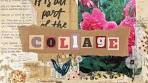
The Art of Collage: A Creative Exploration
Collage art is a versatile and engaging form of artistic expression that has captivated artists and art enthusiasts for centuries. From its humble beginnings in the early 20th century to its modern interpretations today, collage art continues to inspire creativity and innovation in the art world.
What exactly is collage art? At its core, collage is the technique of creating a new piece of artwork by combining various materials such as paper, photographs, fabric, found objects, and more onto a surface. The possibilities are endless when it comes to collage – artists can experiment with different textures, colors, shapes, and compositions to create visually stunning and thought-provoking pieces.
One of the most appealing aspects of collage art is its accessibility. Unlike traditional forms of art that may require specialized skills or expensive materials, collage allows artists of all levels to express themselves freely and experiment with different techniques. Whether you’re a seasoned artist looking for a new challenge or a beginner eager to explore your creative side, collage art offers something for everyone.
Collage art also provides a unique opportunity for storytelling and self-expression. By incorporating various elements into their work, artists can convey complex narratives, emotions, and ideas in a single piece. The juxtaposition of disparate materials can create striking visual contrasts that engage viewers on multiple levels.
In addition to its artistic value, collage art has also played a significant role in cultural movements throughout history. From the Dadaists’ subversive collages in the early 20th century to contemporary artists pushing the boundaries of mixed media techniques today, collage has been used as a tool for social commentary, political activism, and personal reflection.
Whether you’re drawn to the tactile nature of cutting and pasting materials or intrigued by the endless possibilities of combining disparate elements into cohesive compositions, collage art offers a rich and rewarding creative experience for artists and audiences alike.
So why not grab some scissors, glue, and your favorite materials and start exploring the world of collage art today? Let your imagination run wild as you embark on a journey of creativity and self-discovery through this captivating medium.
Exploring Collage Art: Key Questions and Insights
- How do you make a good collage art?
- What is the rule of collage?
- What are the four types of collage?
- What makes collage art?
- What is a collage in art?
- How to make a good collage?
- What is the difference between collage and mosaic?
- What are the 4 types of collage?
How do you make a good collage art?
Creating a good collage art piece involves a combination of creativity, experimentation, and attention to detail. Start by selecting a theme or concept for your collage to give it a cohesive look and feel. Gather a variety of materials such as magazines, newspapers, photographs, fabric, and other found objects that align with your chosen theme. Experiment with different arrangements and compositions before committing to a final layout. Pay attention to color combinations, textures, and shapes to create visual interest and balance in your collage. Don’t be afraid to mix and match materials to add depth and complexity to your artwork. Trust your instincts, embrace spontaneity, and allow yourself the freedom to explore new techniques and ideas throughout the creative process.
What is the rule of collage?
The rule of collage in art is a guiding principle that emphasizes the freedom and creativity of the artist when combining various materials to create a cohesive composition. Unlike traditional art forms that may have strict rules or conventions, collage art encourages artists to explore and experiment with different textures, colors, shapes, and elements without limitations. The rule of collage essentially allows artists to break away from traditional artistic constraints and embrace the endless possibilities of mixing and matching diverse materials to express their unique vision and creativity in a visually compelling way.
What are the four types of collage?
There are four main types of collage art that artists commonly explore: traditional collage, digital collage, mixed media collage, and decoupage. Traditional collage involves physically cutting and pasting materials such as paper, photographs, and fabric onto a surface to create a cohesive composition. Digital collage, on the other hand, utilizes digital tools and software to manipulate and combine images and graphics. Mixed media collage incorporates various materials beyond paper, such as found objects, textures, and paint, to add depth and complexity to the artwork. Decoupage is a specific technique that involves layering cut-out images or designs onto an object and sealing them with varnish or adhesive. Each type of collage offers unique opportunities for artistic expression and experimentation.
What makes collage art?
Collage art is defined by its unique ability to blend various materials and elements into a cohesive and visually engaging composition. What makes collage art truly distinctive is the creative process of combining disparate pieces – whether it be paper, photographs, fabric, or found objects – to form a new and dynamic work of art. The act of layering, cutting, and arranging different elements allows artists to explore themes of juxtaposition, contrast, and storytelling in ways that traditional mediums may not afford. Ultimately, it is this innovative approach to mixing materials and ideas that defines the essence of collage art and sets it apart as a versatile and captivating form of artistic expression.
What is a collage in art?
A collage in art is a creative technique that involves assembling various materials, such as paper, photographs, fabric, and found objects, onto a surface to create a new and unique piece of artwork. By combining different elements in a visually compelling way, artists can explore textures, colors, shapes, and compositions to express their ideas and emotions. Collage art allows for endless experimentation and creativity, offering artists the freedom to break traditional boundaries and create innovative and thought-provoking pieces that engage viewers on multiple levels.
How to make a good collage?
Creating a good collage involves a combination of creativity, experimentation, and attention to detail. To make a compelling collage, start by selecting a theme or concept that inspires you. Gather a variety of materials such as images, textures, and colors that relate to your theme. Experiment with different compositions and arrangements before committing to a final layout. Pay attention to balance, contrast, and unity in your collage to create visual interest. Don’t be afraid to mix different elements and techniques to add depth and complexity to your piece. Trust your instincts, have fun with the process, and let your imagination guide you as you craft a unique and impactful collage artwork.
What is the difference between collage and mosaic?
When exploring the realms of visual art, a common question that arises is the distinction between collage and mosaic techniques. While both collage and mosaic involve assembling various materials to create a unified composition, they differ in their approach and execution. Collage typically involves arranging and adhering different materials, such as paper, photographs, or fabric, onto a surface to form a cohesive image or design. In contrast, mosaic art entails creating images or patterns by arranging small, often colorful pieces of materials like glass, tiles, or stones into a larger surface. While collage emphasizes the juxtaposition of textures and shapes to convey artistic expression, mosaic focuses on intricate patterns and tessellations to produce intricate designs with a distinct visual impact.
What are the 4 types of collage?
There are four main types of collage art that artists commonly explore: traditional paper collage, digital collage, mixed media collage, and decoupage. Traditional paper collage involves cutting and pasting paper materials such as newspapers, magazines, and photographs to create layered compositions. Digital collage utilizes digital tools to combine images, textures, and graphics on a computer or tablet. Mixed media collage incorporates a variety of materials beyond paper, such as fabric, found objects, paint, and other elements for added depth and texture. Decoupage is a technique where images or designs are glued onto surfaces like wood or furniture and sealed with varnish for a decorative effect. Each type of collage offers unique opportunities for artistic expression and experimentation in blending different materials and techniques to create visually compelling artwork.