
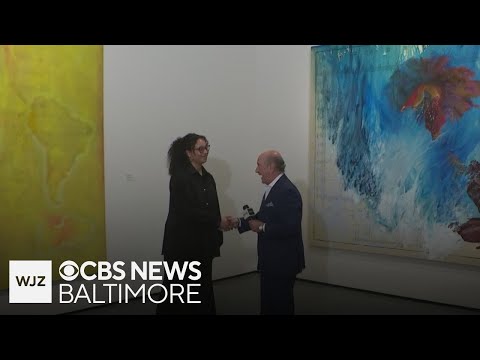
The Baltimore Museum of Art: A Cultural Gem in Maryland
Nestled in the vibrant city of Baltimore, Maryland, the Baltimore Museum of Art (BMA) stands as a beacon of art and culture, captivating visitors with its diverse collection and engaging exhibitions. Founded in 1914, the BMA has established itself as a premier cultural institution, showcasing a rich tapestry of artistic treasures that span centuries and continents.
One of the defining features of the BMA is its impressive collection of over 95,000 works of art, ranging from ancient mosaics to contemporary masterpieces. Visitors can explore a wide array of artistic genres, including painting, sculpture, decorative arts, and works on paper, providing a comprehensive overview of art history and human creativity.
The BMA is renowned for its exceptional holdings of modern art, with works by iconic artists such as Henri Matisse, Pablo Picasso, and Andy Warhol. The museum’s contemporary art collection is equally impressive, featuring pieces by leading artists pushing the boundaries of artistic expression and innovation.
In addition to its permanent collection, the BMA hosts a dynamic series of temporary exhibitions that highlight diverse themes and artistic movements. These exhibitions provide visitors with fresh perspectives on art and culture while showcasing emerging talents and groundbreaking ideas in the world of contemporary art.
Beyond its galleries, the BMA offers a range of educational programs and community initiatives designed to engage audiences of all ages and backgrounds. From guided tours and artist talks to hands-on workshops and family-friendly events, the museum strives to make art accessible and meaningful to everyone.
Whether you are an art enthusiast seeking inspiration or a casual visitor looking for an enriching cultural experience, the Baltimore Museum of Art invites you to immerse yourself in the beauty and creativity that define our shared human heritage. Plan your visit today and discover the wonders that await you at this cultural gem in Maryland.
Discover the Baltimore Museum of Art: A Cultural Haven with World-Class Collections and Engaging Programs
- Impressive collection of over 95,000 works of art spanning various genres and time periods.
- Renowned holdings of modern and contemporary art by iconic artists like Matisse, Picasso, and Warhol.
- Diverse and engaging temporary exhibitions that showcase emerging talents and innovative ideas.
- Offers a range of educational programs and community initiatives for visitors of all ages.
- Located in the vibrant city of Baltimore, providing a rich cultural experience for art enthusiasts.
Challenges Visitors May Face at the Baltimore Museum of Art
- Limited parking options in the vicinity of the museum, which can make it challenging for visitors to find a convenient parking spot.
- Some areas of the museum may be crowded during peak hours, leading to potential difficulty in viewing certain artworks up close.
- Occasional closures of certain galleries or exhibitions for maintenance or renovation work may limit the overall visitor experience.
- Limited dining options on-site, with only a few cafes or restaurants available within the museum premises.
- The museum’s location may be less accessible for visitors relying on public transportation, as it is not directly connected to major transit routes.
Impressive collection of over 95,000 works of art spanning various genres and time periods.
The Baltimore Museum of Art boasts an impressive collection of over 95,000 works of art that span various genres and time periods, offering visitors a comprehensive journey through the evolution of artistic expression. From ancient artifacts to contemporary masterpieces, the museum’s diverse collection showcases the richness and diversity of human creativity, providing a captivating experience for art enthusiasts and cultural explorers alike. With works representing different styles, movements, and cultures, the BMA’s vast collection invites visitors to immerse themselves in the beauty and complexity of art history while gaining a deeper appreciation for the enduring power of artistic vision and innovation.
Renowned holdings of modern and contemporary art by iconic artists like Matisse, Picasso, and Warhol.
The Baltimore Museum of Art boasts renowned holdings of modern and contemporary art, featuring iconic works by legendary artists such as Henri Matisse, Pablo Picasso, and Andy Warhol. These masterpieces showcase the evolution of art through the 20th century, capturing the groundbreaking creativity and innovation of these influential figures. Visitors to the museum have the unique opportunity to immerse themselves in the vibrant world of modern art, experiencing firsthand the genius and vision of some of the most celebrated artists in history.
Diverse and engaging temporary exhibitions that showcase emerging talents and innovative ideas.
The Baltimore Museum of Art stands out for its diverse and engaging temporary exhibitions that spotlight emerging talents and innovative ideas in the art world. These dynamic showcases not only provide a platform for up-and-coming artists to share their vision and creativity but also offer visitors a fresh perspective on contemporary art trends and movements. By continuously curating thought-provoking exhibitions that push boundaries and challenge conventions, the BMA fosters a vibrant cultural dialogue and ensures that every visit is a unique and enriching experience for art enthusiasts of all backgrounds.
Offers a range of educational programs and community initiatives for visitors of all ages.
The Baltimore Museum of Art stands out for its commitment to offering a diverse range of educational programs and community initiatives tailored to visitors of all ages. From guided tours and interactive workshops to artist talks and family-friendly events, the museum provides engaging opportunities for learning and exploration. By fostering a welcoming and inclusive environment, the BMA ensures that individuals from all backgrounds can participate in enriching cultural experiences and deepen their appreciation for art in meaningful ways.
Located in the vibrant city of Baltimore, providing a rich cultural experience for art enthusiasts.
Situated in the lively city of Baltimore, the Baltimore Museum of Art offers art enthusiasts a rich cultural experience like no other. With its diverse collection of over 95,000 works spanning various artistic genres and time periods, the museum serves as a hub for creativity and inspiration. Visitors can immerse themselves in a vibrant art scene, explore masterpieces by renowned artists, and engage with dynamic exhibitions that showcase the best of contemporary and modern art. The museum’s location in Baltimore adds to its allure, providing a dynamic backdrop that enhances the overall cultural experience for visitors seeking to delve into the world of art and creativity.
Limited parking options in the vicinity of the museum, which can make it challenging for visitors to find a convenient parking spot.
One notable challenge facing visitors to the Baltimore Museum of Art is the limited parking options in the vicinity of the museum. The scarcity of available parking spaces can present a significant inconvenience for guests, making it difficult to find a convenient spot to park their vehicles. This limitation may result in added stress and frustration for visitors, especially during peak hours or when special events are taking place at the museum. Planning ahead and exploring alternative transportation options may be advisable for those looking to avoid potential parking difficulties while enjoying all that the museum has to offer.
Some areas of the museum may be crowded during peak hours, leading to potential difficulty in viewing certain artworks up close.
During peak hours at the Baltimore Museum of Art, visitors may encounter crowded areas that can make it challenging to view certain artworks up close. The influx of guests during busy times can create a bustling atmosphere, potentially affecting the ability to appreciate the finer details and nuances of the art on display. Navigating through crowded spaces may require patience and strategic planning to ensure a fulfilling museum experience.
Occasional closures of certain galleries or exhibitions for maintenance or renovation work may limit the overall visitor experience.
Occasional closures of certain galleries or exhibitions for maintenance or renovation work at the Baltimore Museum of Art can sometimes limit the overall visitor experience. These closures may disrupt the flow of a visitor’s exploration through the museum and prevent them from accessing specific artworks or collections during their visit. While necessary for preserving and enhancing the museum’s facilities, these closures can be disappointing for visitors who have specific works they wish to see or experience. However, the BMA strives to communicate any upcoming closures in advance and offers alternative experiences or programs to ensure that visitors can still enjoy a fulfilling and enriching visit despite these temporary limitations.
Limited dining options on-site, with only a few cafes or restaurants available within the museum premises.
One downside of the Baltimore Museum of Art is its limited dining options on-site, with only a few cafes or restaurants available within the museum premises. While visitors can enjoy a quick bite or a cup of coffee during their visit, the lack of diverse dining choices may leave some guests wanting more variety and selection. This limitation could potentially impact the overall experience for those looking to enjoy a leisurely meal or explore different culinary offerings while taking in the museum’s exhibits and attractions.
The museum’s location may be less accessible for visitors relying on public transportation, as it is not directly connected to major transit routes.
One potential drawback of the Baltimore Museum of Art is its location, which may pose challenges for visitors who rely on public transportation. The museum is not directly connected to major transit routes, making it less accessible for those without access to a personal vehicle. This lack of convenient public transportation options could potentially deter some visitors from exploring the cultural offerings of the museum, limiting its reach and impact on a broader audience.