
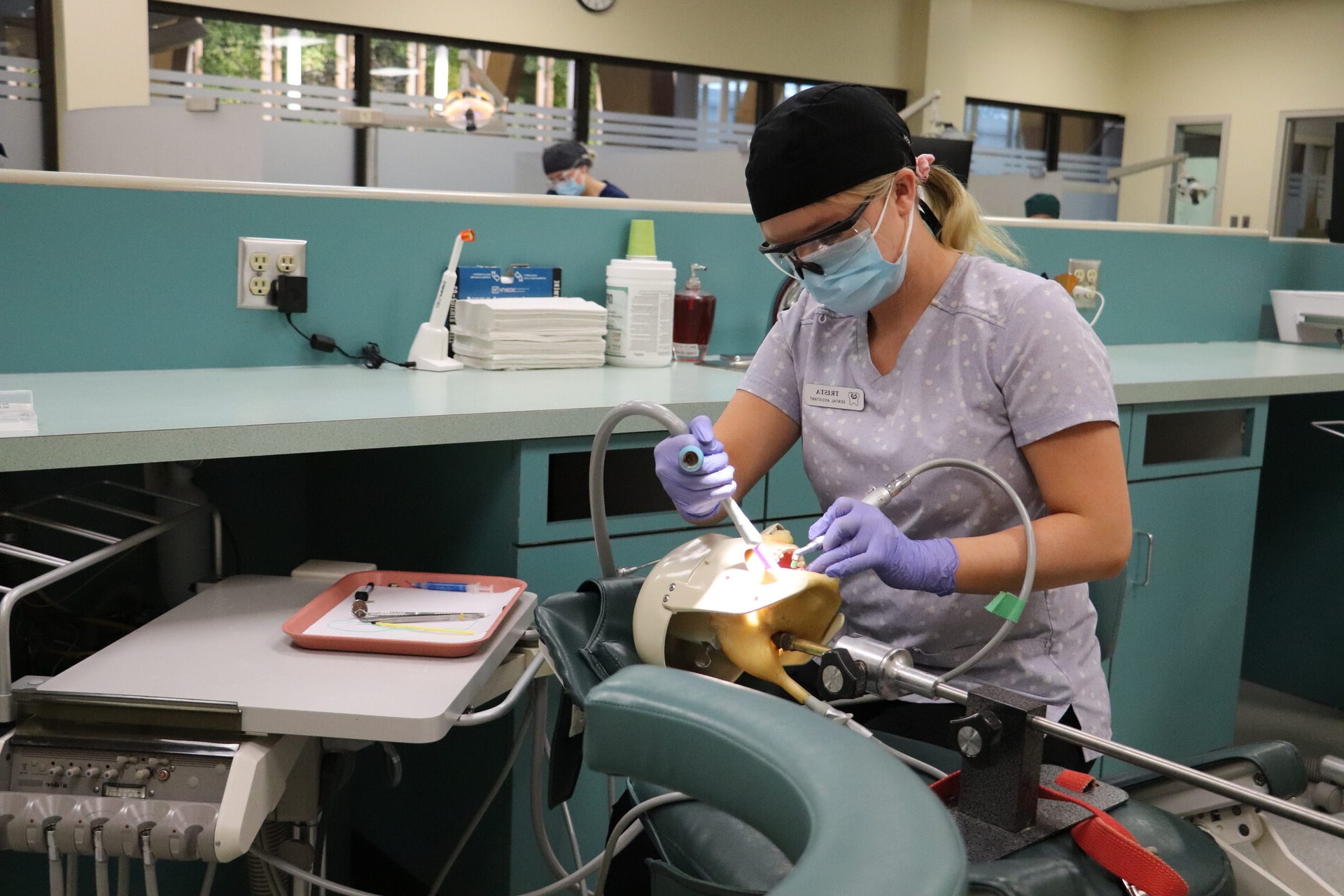
Dental Assistant Programs: What to Know Before You Enroll
Dental assistants help dental teams provide efficient, comfortable care. They may prepare treatment rooms, sterilize instruments, support dentists during procedures, take dental images, update patient records, and explain basic aftercare. The exact duties depend on the job, the assistant’s training, and state law.
Dental assistant programs can help students build the knowledge and practical skills needed for this work. Programs vary in length, cost, format, and the credentials they lead to, so it’s important to compare options before enrolling.
What Is a Dental Assistant Program?
A dental assistant program is a course of study that prepares students for entry-level work in dental offices and other oral health settings. Programs are commonly offered by community colleges, vocational and technical schools, career schools, and some universities.
Depending on the school and state, a program may award a certificate, diploma, or associate degree. Some dental offices also train assistants on the job, but formal education can provide structured instruction and hands-on practice. In some states, specific training is required for duties such as taking dental X-rays or performing expanded functions.
Common Types of Programs
- Certificate or diploma programs: These focus on core dental assisting skills and may be designed for students seeking a relatively direct path into the field. Program length varies by school.
- Associate degree programs: These typically include dental assisting coursework along with general education classes. They may take longer and can provide a broader academic foundation.
- Online or hybrid programs: Online classes may cover subjects such as terminology, anatomy, and office procedures. Because dental assisting is hands-on, students generally need in-person labs, clinical experiences, or supervised practice as well.
- On-the-job training: Some employers train new hires in the office. Whether this route is available—and which duties it permits—depends on the employer and state requirements.
What You’ll Learn
Coursework varies, but many programs cover topics such as:
- Dental anatomy, terminology, and oral health
- Infection prevention, instrument sterilization, and workplace safety
- Chairside assisting and procedure preparation
- Dental materials and laboratory procedures
- Patient communication and care
- Dental imaging and radiography, where permitted by program and state rules
- Dental office administration, scheduling, and records
- Professional ethics and applicable regulations
Many programs include labs or clinical experiences in which students practice skills under supervision. Ask how much hands-on training is included and where clinical placements take place.
Admissions and Program Requirements
Requirements differ among schools. Applicants may need a high school diploma or equivalent, placement testing, immunization records, a background check, or proof of current CPR training. Some programs require students to meet health or safety requirements before beginning a clinical placement.
Before applying, review the school’s admissions checklist and ask about deadlines, prerequisite courses, and any additional costs for uniforms, supplies, exams, or clinical requirements.
How Long Does a Dental Assistant Program Take?
There is no single program length. A certificate or diploma may take less time than an associate degree, while schedules can vary based on whether a student attends full time or part time. Clinical hours and state-specific training can also affect the timeline. Check directly with each school for its current schedule and completion requirements.
Accreditation and Credentials
When comparing programs, check whether the school is institutionally accredited and whether the dental assisting program has relevant programmatic accreditation. The Commission on Dental Accreditation (CODA) accredits dental assisting programs that meet its standards. Accreditation can be important for education quality, eligibility for certain exams, or future opportunities, but its value depends on the student’s goals and state rules.
Certification is separate from completing a program. The Dental Assisting National Board (DANB) offers credentials, including the Certified Dental Assistant (CDA) certification. Eligibility requirements vary by credential and may include education, work experience, examinations, or other criteria. State regulations also differ: a credential or course accepted in one state may not meet another state’s requirements.
Contact the state dental board or relevant regulatory agency to confirm which duties require specific training, registration, permits, or exams. Verify requirements before enrolling, especially if you plan to work in a state different from where you study.
Cost and Financial Aid
The total cost of a program may include tuition, fees, books, instruments, uniforms, safety equipment, immunizations, background checks, and certification or licensing expenses. Online programs may have additional costs for in-person labs or clinical placements.
Ask schools for a complete cost estimate, not just the advertised tuition. Students may also want to explore federal financial aid, scholarships, payment plans, and workforce training assistance. Eligibility depends on the school and the student’s circumstances.
How to Choose the Right Program
Use these questions to compare your options:
- Is the school properly accredited, and is the program CODA-accredited?
- Does the curriculum meet the requirements for the state where you plan to work?
- How much supervised clinical or hands-on experience is included?
- What is the full cost, including supplies and fees?
- What are the program’s completion, exam, or certification outcomes, and how are they measured?
- Does the school help students find clinical placements or connect with employers?
- Can you speak with current students or graduates about their experience?
Be cautious of claims that guarantee employment, certification, or a particular salary. Ask for details in writing and verify important information with the school, credentialing organization, and state regulator.
Career Options After Graduation
Graduates may seek positions in general dental practices, specialty offices, community clinics, dental schools, or other oral health settings. Depending on training and local regulations, dental assistants may focus on chairside support, imaging, infection control, patient coordination, or office administration.
Job duties, pay, and advancement opportunities vary by location, employer, experience, and credentials. Additional education or approved training may open the door to expanded duties in some states. Check local job postings and state rules to understand what employers expect in your area.
Is a Dental Assistant Program Right for You?
Dental assisting may suit people who enjoy working with patients, communicating clearly, staying organized, and contributing to a healthcare team. The work can involve standing for extended periods, following detailed infection-control procedures, and helping patients who feel nervous or uncomfortable.
A well-chosen program can provide a foundation for entering the field, but the best option depends on your budget, schedule, career plans, and state requirements. Compare several schools, confirm the credentials they offer, and make sure the training aligns with the work you hope to do.
Dental Assistant Programs: Value, Fast-Track Options, Duration, and Pay Compared to CNAs
- Is the dental assistant program worth it?
- What is the quickest way to become a dental assistant?
- How long are most dental assistant programs?
- What pays more, CNA or dental assistant?
Is the dental assistant program worth it?
A dental assistant program can be worth it if you want structured training, hands-on practice, and a clearer path toward meeting employer or state requirements. Before enrolling, compare tuition and fees, program length, accreditation, clinical experience, and the credentials or duties the program prepares you for. Since requirements and job opportunities vary by state, check with your state dental board and local employers. A program is most valuable when its cost and training align with your career goals.
What is the quickest way to become a dental assistant?
The quickest route to becoming a dental assistant is often on-the-job training, if local employers hire entry-level assistants and your state allows it. Otherwise, a short certificate program may provide focused training and help you qualify sooner than an associate degree. Requirements vary by state and by the duties you want to perform, so check with your state dental board about required education, exams, permits, or radiography credentials before choosing a path.
How long are most dental assistant programs?
Most dental assistant programs take about 9 to 12 months to complete, especially certificate or diploma programs, though timelines vary by school and schedule. Associate degree programs typically take around two years, while part-time study may take longer. Check each program’s curriculum and clinical requirements for its exact completion time.
What pays more, CNA or dental assistant?
In the U.S., dental assistants often earn more than certified nursing assistants (CNAs), but pay varies by location, experience, employer, and credentials. National wage data can offer a useful comparison, though local job listings provide a better picture of current opportunities in your area. Consider more than salary, too: CNAs commonly provide direct personal care in settings such as nursing homes and hospitals, while dental assistants support dental procedures and office operations. Training costs, work schedules, benefits, and opportunities for advancement may also affect which career is the better fit.