
Tejano Music: The Sound of Texas-Mexican Culture
Tejano music is a lively, evolving style rooted in the cultural history of Texas and its Mexican American communities. The name means “Texan” in Spanish, and the music reflects a meeting of influences: Mexican and other Latin American traditions, German and Czech dance music, and popular sounds from across the United States. Often called “Tex-Mex,” Tejano music is more than a genre—it is an expression of identity, community, and life along the Texas-Mexico border.
Roots and Influences
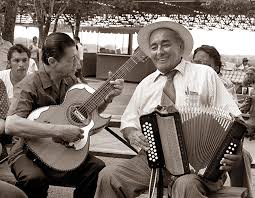
Tejano music developed over generations in South and Central Texas. Mexican musical traditions—including polkas, rancheras, and corridos—provided an important foundation. In the 19th century, German, Czech, and Polish immigrants brought dance music such as the polka to Texas. Local musicians adapted these rhythms, often using the accordion, an instrument that became central to many Tejano styles.
As recording, radio, and new instruments spread, Tejano musicians incorporated additional sounds. Electric guitars, bass, drums, brass, and keyboards joined traditional instruments, creating music that could be both rooted in regional dance traditions and responsive to contemporary popular music.
Distinctive Styles
Tejano music includes several related styles rather than one fixed sound. Conjunto is known for its accordion and bajo sexto, a twelve-string guitar-like instrument. Its compact ensembles and lively rhythms make it a favorite for social dancing. Orquesta groups typically feature a larger lineup, including brass and keyboards, and often draw on big-band, cumbia, and pop influences.
Other performers blend these approaches or bring in elements of rock, country, R&B, and Latin pop. The result is a broad musical landscape: one song may sound traditional and acoustic, while another features polished production and a modern dance beat.
Artists Who Shaped the Genre
Many musicians have helped define Tejano music. Flaco Jiménez brought the accordion-driven conjunto tradition to audiences around the world and collaborated with artists from a range of genres. Little Joe y la Familia became known for combining Tejano roots with soul and other contemporary influences. Groups such as La Mafia helped popularize a sleek, keyboard-forward sound.
Selena Quintanilla became the genre’s most widely recognized star. Her expressive vocals, energetic performances, and crossover success introduced Tejano music to listeners well beyond Texas. Her influence continues to inspire musicians and fans, while artists across generations carry the genre forward in their own ways.
Music for Community and Celebration
Tejano music has long been closely connected to everyday life and community gatherings. It is heard at dances, festivals, family celebrations, and live-music venues throughout Texas and beyond. Its lyrics may tell stories of love, heartbreak, family, work, and belonging, while its rhythms invite people onto the dance floor.
For many listeners, Tejano music also preserves a connection to heritage and place. Spanish-language songs, familiar dance rhythms, and regional sounds can bring generations together, even as artists experiment with new styles and production.
A Living Tradition
Tejano music continues to change while remaining connected to its history. New performers draw on conjunto, orquesta, and other traditions, then mix them with contemporary sounds and personal perspectives. That balance between continuity and innovation is part of what gives Tejano music its lasting appeal.
Whether heard through an accordion-led conjunto, a full orquesta, or a modern pop arrangement, Tejano music tells a story shaped by Texas, Mexican American culture, and generations of musical creativity.
8 Tips to Deepen Your Appreciation of Tejano Music
- Listen for the accordion’s bright, lively sound.
- Notice the blend of Mexican and European musical influences.
- Explore conjunto, a key Tejano style.
- Pay attention to the bajo sexto’s rhythmic pulse.
- Tejano music often pairs catchy melodies with danceable beats.
- Check out Selena, one of Tejano’s most celebrated stars.
- Listen for both Spanish and English lyrics.
- Try a live Tejano show to experience its festive energy.
Listen for the accordion’s bright, lively sound.
Listen for the accordion’s bright, lively sound—it’s one of the most recognizable features of many Tejano songs. Its nimble melodies can dance over the steady rhythm, adding energy and a distinctive Texas-Mexican character to the music. In conjunto, the accordion often takes center stage, answering the vocals or leading the tune, so following its playful phrases is a great way to appreciate the song’s movement and spirit.
Notice the blend of Mexican and European musical influences.
When listening to Tejano music, notice how Mexican and European musical influences come together. You may hear Mexican styles such as ranchera and corrido alongside the lively polka rhythms brought to Texas by German, Czech, and Polish immigrants. The accordion often helps connect these traditions, while instruments such as the bajo sexto, brass, and modern keyboards add distinctive layers. This blend gives Tejano music its recognizable sound and reflects the rich cultural history of Texas.
Explore conjunto, a key Tejano style.
Explore conjunto, one of Tejano music’s foundational styles, known for its lively rhythms and distinctive accordion sound. Often accompanied by the bajo sexto, bass, and drums, conjunto blends Mexican musical traditions with influences such as the polka, creating an energetic sound made for dancing. Listening to classic and contemporary conjunto performers is a great way to hear how this tradition continues to shape Tejano music.
Pay attention to the bajo sexto’s rhythmic pulse.
Pay attention to the bajo sexto’s rhythmic pulse: its bright, percussive strumming gives Tejano music much of its drive and helps anchor the groove beneath the melody. Listen for how its syncopated patterns interact with the accordion, bass, and drums, shaping the feel of the song and guiding dancers. Focusing on that steady, lively rhythm can help you hear how the ensemble locks together—and make the music even more engaging.
Tejano music often pairs catchy melodies with danceable beats.
Tejano music often pairs catchy melodies with danceable beats, creating songs that are easy to sing along to and hard to resist on the dance floor. Accordion riffs, lively percussion, and steady rhythms give many tracks an upbeat feel, while memorable choruses help bring listeners together at parties, festivals, and community dances.
Check out Selena, one of Tejano’s most celebrated stars.
Check out Selena, one of Tejano music’s most celebrated stars. Known for her powerful voice, magnetic stage presence, and memorable songs, she helped bring Tejano music to audiences around the world. Listening to her hits is a great way to experience the genre’s energy and discover the lasting influence she continues to have on artists and fans.
Listen for both Spanish and English lyrics.
Listen for both Spanish and English lyrics when exploring Tejano music. Many artists move between the two languages within a song, while others perform mainly in one language or blend them in a chorus. These shifts reflect the genre’s bilingual roots and can add different shades of emotion, personality, and cultural meaning to the music.
Try a live Tejano show to experience its festive energy.
Try attending a live Tejano show to experience the genre’s festive energy firsthand. The lively rhythms, expressive vocals, and blend of accordion, guitars, and dance beats create an inviting atmosphere that often gets the whole crowd moving. Whether you’re familiar with Tejano music or hearing it for the first time, a live performance is a fun way to connect with its sound, culture, and community.