
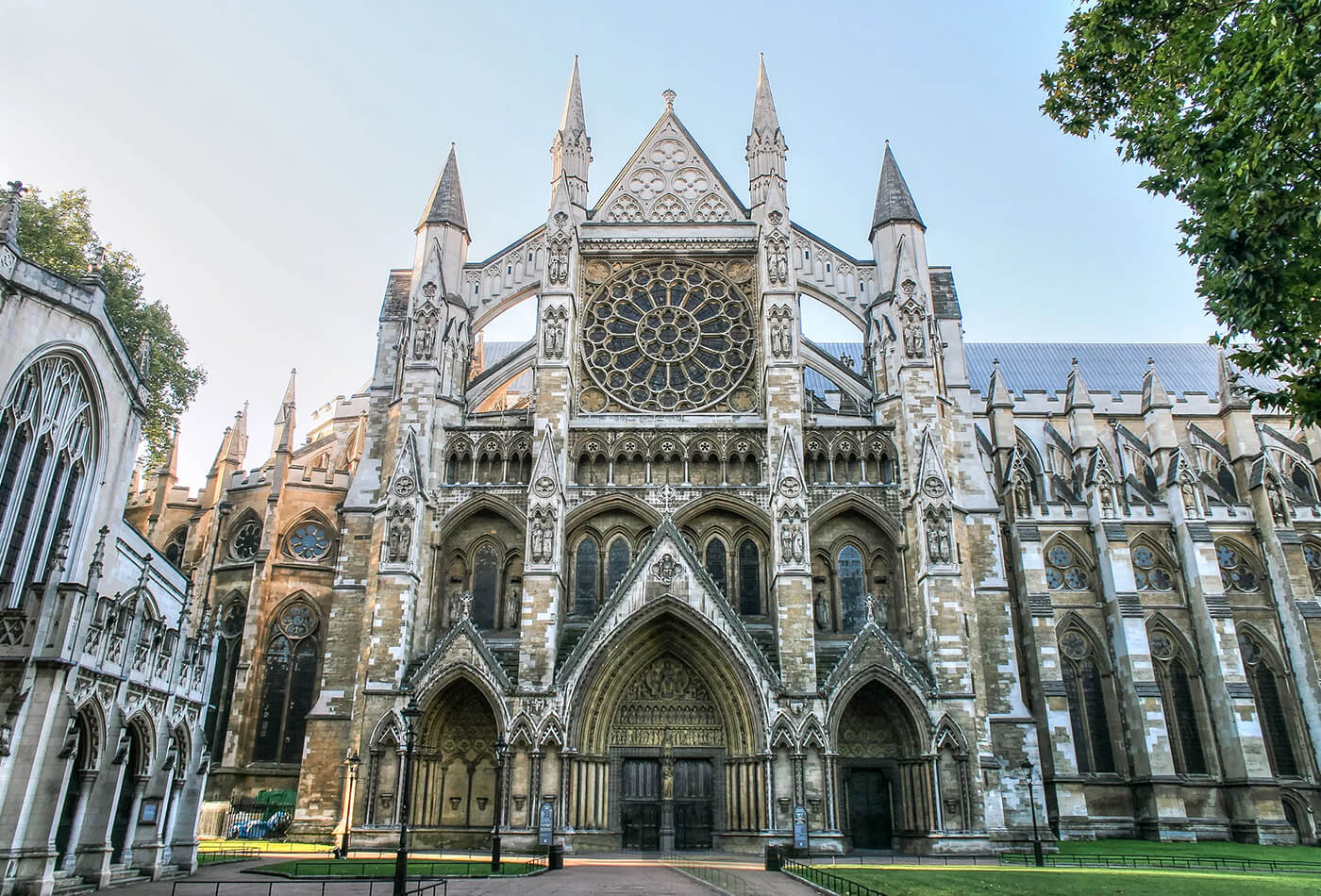
The Beauty and Grandeur of Gothic Architecture
Gothic architecture is a style that flourished in Europe during the High and Late Middle Ages. Characterized by its soaring structures, pointed arches, ribbed vaults, and intricate ornamentation, Gothic architecture is known for its grandeur, beauty, and spiritual symbolism.
One of the most iconic features of Gothic architecture is the flying buttress, an external support system that allowed for taller and more open interior spaces. This innovation not only provided structural stability but also created a sense of lightness and verticality in Gothic cathedrals.
Gothic cathedrals, such as Notre-Dame de Paris and Chartres Cathedral in France, are prime examples of the mastery of Gothic architecture. These monumental structures served as not only places of worship but also expressions of faith, power, and artistic achievement.
The intricate detailing found in Gothic architecture, including delicate tracery on windows, elaborate sculptures on facades, and ornate carvings on columns, reflects the craftsmanship and dedication of medieval artisans. Each element was carefully designed to convey religious narratives and inspire awe in worshippers.
Furthermore, the use of stained glass windows in Gothic cathedrals played a significant role in creating a mystical atmosphere within these sacred spaces. The vibrant colors and intricate patterns depicted biblical scenes and saints, allowing natural light to filter through and illuminate the interior with a heavenly glow.
While Gothic architecture reached its peak in the 12th to 16th centuries, its influence can still be seen today in buildings around the world. The timeless beauty and structural innovation of Gothic architecture continue to captivate admirers and inspire architects to this day.
In conclusion, Gothic architecture stands as a testament to human creativity, ingenuity, and devotion. Its enduring legacy serves as a reminder of the power of art and architecture to transcend time and connect us to our past.
8 Reasons Gothic Architecture Continues to Captivate and Inspire
- 1. Iconic and recognizable style that has left a lasting impact on architectural history.
- 2. Innovative structural elements, such as flying buttresses, allowed for taller and more open interior spaces.
- 3. Intricate ornamentation and detailing showcase the craftsmanship and artistry of medieval artisans.
- 4. Symbolic use of light through stained glass windows creates a mystical and awe-inspiring atmosphere.
- 5. Grandeur and verticality of Gothic cathedrals evoke a sense of transcendence and spiritual significance.
- 6. Durable construction methods have enabled many Gothic buildings to withstand the test of time.
- 7. Influence on later architectural styles, inspiring generations of architects around the world.
- 8. Continued appreciation for the beauty, elegance, and complexity of Gothic architecture in modern times.
Challenges of Gothic Architecture: Cost, Maintenance, Lighting, and Structural Concerns
- Costly and time-consuming construction process due to intricate detailing and large-scale structures.
- Maintenance challenges, including the preservation of delicate stone carvings and stained glass windows.
- Limited natural lighting in some areas of Gothic buildings due to thick walls and small windows.
- Potential structural vulnerabilities over time, such as issues with flying buttresses or roof supports.
1. Iconic and recognizable style that has left a lasting impact on architectural history.
Gothic architecture’s iconic and recognizable style has undoubtedly left a lasting impact on architectural history. The distinctive features of Gothic buildings, such as pointed arches, flying buttresses, and intricate ornamentation, have made them instantly recognizable and highly influential in shaping the development of architecture over the centuries. The grandeur and beauty of Gothic structures, exemplified by towering cathedrals and majestic castles, have captured the imagination of people around the world and continue to inspire architects and artists to this day. The enduring legacy of Gothic architecture serves as a testament to its significance in shaping the built environment and cultural landscape of numerous societies throughout history.
2. Innovative structural elements, such as flying buttresses, allowed for taller and more open interior spaces.
One of the remarkable advantages of Gothic architecture lies in its innovative structural elements, particularly the implementation of flying buttresses. By incorporating flying buttresses, Gothic architects were able to achieve taller and more open interior spaces within their buildings. These external support systems not only provided enhanced structural stability but also enabled the creation of expansive, light-filled interiors that exuded a sense of verticality and grandeur. The use of flying buttresses revolutionized architectural design during the medieval period, allowing for the construction of awe-inspiring cathedrals and churches that continue to inspire admiration and wonder to this day.
3. Intricate ornamentation and detailing showcase the craftsmanship and artistry of medieval artisans.
The intricate ornamentation and detailing found in Gothic architecture showcase the exceptional craftsmanship and artistry of medieval artisans. From delicate tracery on windows to elaborate sculptures on facades and ornate carvings on columns, every element reflects the dedication and skill of these craftsmen. Their meticulous work not only served a decorative purpose but also conveyed religious narratives and inspired a sense of awe in worshippers. The intricate details in Gothic architecture stand as a testament to the creativity and mastery of medieval artisans, leaving a lasting legacy that continues to be admired and studied to this day.
4. Symbolic use of light through stained glass windows creates a mystical and awe-inspiring atmosphere.
The symbolic use of light through stained glass windows in Gothic architecture is a profound and captivating feature that elevates the spiritual experience within these sacred spaces. The intricate designs and vibrant colors of stained glass windows not only filter natural light but also infuse the interior with a mystical glow, creating an atmosphere of awe and reverence. The play of light and color through these ornate windows serves as a visual representation of divine presence, illuminating the narratives depicted in the glass and enveloping worshippers in a transcendent ambiance that enhances their connection to the divine.
5. Grandeur and verticality of Gothic cathedrals evoke a sense of transcendence and spiritual significance.
The grandeur and verticality of Gothic cathedrals play a crucial role in evoking a profound sense of transcendence and spiritual significance. The soaring heights, pointed arches, and intricate details of these architectural marvels create a visual language that reaches towards the heavens, symbolizing the aspiration for divine connection and spiritual enlightenment. As visitors gaze up at the towering spires and expansive vaulted ceilings of Gothic cathedrals, they are enveloped in a sacred atmosphere that transcends the physical realm, inviting contemplation, reverence, and awe. The vertical emphasis in Gothic architecture not only elevates the physical space but also uplifts the spirit, reminding us of our place in the cosmos and inspiring a sense of humility and wonder in the presence of something greater than ourselves.
6. Durable construction methods have enabled many Gothic buildings to withstand the test of time.
The durable construction methods employed in Gothic architecture have proven to be a significant advantage, allowing many Gothic buildings to withstand the test of time with remarkable resilience. The meticulous craftsmanship, sturdy stone materials, and innovative structural techniques utilized in Gothic construction have contributed to the longevity and preservation of these architectural marvels. As a result, countless Gothic buildings have stood strong for centuries, showcasing the enduring quality and durability inherent in the design and construction of this iconic architectural style.
7. Influence on later architectural styles, inspiring generations of architects around the world.
One significant pro of Gothic architecture is its profound influence on later architectural styles, inspiring generations of architects around the world. The innovative structural techniques, intricate ornamentation, and grandeur of Gothic buildings have served as a source of inspiration for countless architects throughout history. Elements such as pointed arches, ribbed vaults, and flying buttresses introduced in Gothic architecture have been reinterpreted and incorporated into diverse architectural styles, showcasing the enduring impact and legacy of Gothic design on the evolution of architecture globally.
8. Continued appreciation for the beauty, elegance, and complexity of Gothic architecture in modern times.
In modern times, there is a continued appreciation for the beauty, elegance, and complexity of Gothic architecture. The intricate detailing, soaring structures, and spiritual symbolism found in Gothic buildings continue to captivate admirers and inspire architects and artists around the world. The timeless appeal of Gothic architecture lies in its ability to evoke a sense of awe and wonder, inviting viewers to marvel at the craftsmanship and artistry of medieval artisans. The enduring legacy of Gothic architecture serves as a reminder of the enduring power of art to transcend time and connect us to our shared cultural heritage.
Costly and time-consuming construction process due to intricate detailing and large-scale structures.
One significant drawback of Gothic architecture is the costly and time-consuming construction process associated with its intricate detailing and large-scale structures. The elaborate ornamentation, delicate tracery, and towering spires characteristic of Gothic buildings require skilled artisans and meticulous craftsmanship, driving up construction expenses. Additionally, the need for precision in constructing vaulted ceilings, flying buttresses, and other architectural elements prolongs the building timeline, resulting in extended construction periods and increased labor costs. Despite the stunning beauty of Gothic architecture, the financial and temporal investments required to bring these structures to fruition can pose challenges for builders and patrons alike.
Maintenance challenges, including the preservation of delicate stone carvings and stained glass windows.
One significant con of Gothic architecture is the maintenance challenges it presents, particularly in the preservation of delicate stone carvings and stained glass windows. The intricate detailing and ornate designs found in Gothic structures require meticulous care and attention to prevent deterioration over time. Harsh weather conditions, pollution, and natural aging can all contribute to the degradation of these architectural elements, making regular maintenance a costly and time-consuming endeavor. Restoring delicate stone carvings and repairing intricate stained glass windows often requires specialized skills and materials, adding to the complexity of preserving these historical treasures for future generations to appreciate.
Limited natural lighting in some areas of Gothic buildings due to thick walls and small windows.
One notable drawback of Gothic architecture is the limited natural lighting in certain areas of Gothic buildings attributed to their thick walls and small windows. While the soaring heights and intricate details of Gothic structures create a sense of awe and majesty, the design choices sometimes result in dimly lit interior spaces. This lack of natural light can make certain areas feel gloomy and obscure, impacting both the ambiance within the building and the visibility of architectural features and decorative elements. Despite this con, Gothic architects often employed innovative solutions such as stained glass windows to infuse these spaces with colorful light and create a mystical atmosphere that enhances the spiritual experience for visitors.
Potential structural vulnerabilities over time, such as issues with flying buttresses or roof supports.
One significant con of Gothic architecture is the potential for structural vulnerabilities to develop over time, particularly in elements like flying buttresses or roof supports. Due to the intricate design and complex engineering required for these features, maintenance and preservation become crucial to prevent issues such as shifting foundations, weakening materials, or deterioration from environmental factors. Without proper care and restoration, these structural components can pose risks of instability and compromise the overall integrity of Gothic buildings, highlighting the ongoing challenges in preserving these architectural marvels for future generations.