
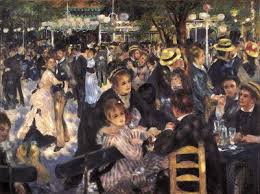
The Impressionist Movement: A Revolution in Art
The Impressionist movement, which emerged in the 19th century in France, revolutionized the art world with its innovative approach to capturing light, color, and atmosphere in paintings. Led by artists such as Claude Monet, Edgar Degas, and Pierre-Auguste Renoir, the Impressionists rejected traditional techniques and sought to depict the fleeting moments of everyday life with a fresh perspective.
One of the key characteristics of Impressionist art is its emphasis on capturing the effects of light and color through loose brushwork and a vibrant palette. Instead of focusing on precise details and realistic representations, Impressionist artists aimed to convey the essence of a scene or subject through their own interpretation.
Impressionist paintings often feature outdoor scenes, such as landscapes, gardens, and bustling city streets. These artists were particularly interested in exploring how light changes throughout the day and how it can influence the mood and atmosphere of a painting.
Despite facing criticism from traditional art critics at the time, the Impressionists persevered and eventually gained recognition for their groundbreaking work. Their influence extended beyond painting to other art forms, such as music and literature, inspiring future generations of artists to experiment with new techniques and perspectives.
Today, Impressionist art continues to captivate audiences around the world with its beauty, spontaneity, and emotional depth. The legacy of the Impressionist movement lives on through museums, galleries, and exhibitions that celebrate these visionary artists who dared to challenge conventions and redefine what art could be.
Understanding Impressionism: Key Questions About the Style and Its Artists
- What is the impressionist style?
- What do you call someone who does impressions?
- What is an impressionist person?
- What is the main idea of impressionist?
- Why is it called impressionist?
- What does being an impressionist mean?
- Who is the most famous impressionist?
- Who started Impressionism?
What is the impressionist style?
The Impressionist style is a revolutionary art movement that emerged in 19th-century France, characterized by its focus on capturing fleeting moments and impressions of light, color, and atmosphere in paintings. Artists belonging to the Impressionist movement, such as Claude Monet and Edgar Degas, rejected traditional techniques in favor of loose brushwork and a vibrant palette to convey the essence of a scene rather than precise details. By emphasizing the effects of light and color on their subjects, Impressionist artists sought to evoke emotion and capture the ever-changing nature of the world around them. The Impressionist style continues to be celebrated for its innovative approach to art and its lasting influence on the art world.
What do you call someone who does impressions?
When referring to someone who does impressions, they are often called an “impressionist.” An impressionist is an individual who has the talent and skill to mimic the voices, mannerisms, or characteristics of other people, celebrities, or fictional characters. These individuals use their creativity and observational abilities to entertain others by imitating well-known personalities in a humorous or engaging manner. Impressionists often showcase their talents in comedy shows, performances, or on various media platforms where they can showcase their unique ability to bring different voices and personalities to life through their impressions.
What is an impressionist person?
An impressionist person is someone who tends to focus on capturing the essence or overall impression of a situation, rather than getting caught up in specific details. In a social context, an impressionist individual may rely more on their intuitive understanding and emotional response to people and events, rather than strictly adhering to objective facts or logic. This approach can lead to a unique perspective that values spontaneity, creativity, and subjective interpretation in interactions with others.
What is the main idea of impressionist?
The main idea of Impressionism is to capture the fleeting effects of light, color, and atmosphere in a spontaneous and subjective manner. Impressionist artists sought to depict their own impressions or interpretations of a scene rather than focusing on precise details or realistic representations. By using loose brushwork, vibrant colors, and an emphasis on capturing the essence of a moment, Impressionists aimed to evoke emotion and convey the beauty of everyday life through their unique artistic vision.
Why is it called impressionist?
The term “Impressionist” was derived from a critical review of Claude Monet’s painting “Impression, Sunrise” in 1874, where the critic used the word “impression” to describe the artist’s loose and spontaneous style of capturing light and atmosphere. The Impressionists embraced this label, as it reflected their focus on conveying fleeting moments and sensations rather than precise details. By adopting the term “Impressionist,” these artists signaled their departure from traditional academic art and their commitment to exploring new ways of interpreting the world around them through color, light, and emotion.
What does being an impressionist mean?
Being an Impressionist in the art world means adopting a unique approach to painting that focuses on capturing the essence of a scene rather than its exact details. Impressionist artists use loose brushwork, vibrant colors, and a keen eye for light and atmosphere to convey the fleeting moments of everyday life. By emphasizing the effects of light and color in their work, Impressionists aim to evoke emotion and create a sense of immediacy that transports viewers into the scene itself. Being an Impressionist is about embracing innovation, spontaneity, and individual interpretation to create art that resonates with both the artist’s vision and the viewer’s experience.
Who is the most famous impressionist?
The title of the most famous Impressionist artist is often attributed to Claude Monet. Known for his iconic paintings of water lilies, gardens, and landscapes, Monet’s innovative use of color, light, and brushwork exemplifies the essence of the Impressionist movement. His works have become synonymous with the style and have left a lasting impact on the world of art. While Monet is widely regarded as the most renowned Impressionist artist, other notable figures such as Edgar Degas, Pierre-Auguste Renoir, and Camille Pissarro also made significant contributions to the movement and continue to be celebrated for their artistic achievements.
Who started Impressionism?
The Impressionist movement was initiated by a group of innovative artists in 19th-century France, with the likes of Claude Monet, Edgar Degas, and Pierre-Auguste Renoir playing pivotal roles in its inception. These artists rebelled against traditional artistic norms and techniques, seeking to capture the essence of fleeting moments through their unique interpretations of light, color, and atmosphere. By challenging the conventions of their time, these trailblazing Impressionists paved the way for a new era in art that continues to inspire and influence generations of artists to this day.