
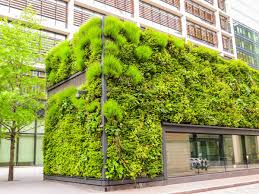
Environmental Architecture: Designing for a Sustainable Future
Environmental architecture, also known as green architecture or sustainable architecture, is a design approach that aims to minimize the negative environmental impact of buildings and maximize their efficiency and sustainability. It is a response to the growing awareness of climate change, resource depletion, and environmental degradation caused by human activities.
Architects practicing environmental architecture consider factors such as energy efficiency, use of renewable materials, waste reduction, water conservation, and integration with the natural environment in their designs. By incorporating these principles into their projects, they strive to create buildings that are not only aesthetically pleasing but also environmentally responsible.
One key aspect of environmental architecture is the use of passive design strategies to reduce energy consumption. This includes orienting buildings to maximize natural light and ventilation, using thermal mass to regulate indoor temperatures, and incorporating green roofs or walls to improve insulation. By harnessing natural elements and reducing reliance on artificial heating or cooling systems, architects can create more sustainable and energy-efficient structures.
Another important consideration in environmental architecture is the selection of materials with low environmental impact. Architects opt for sustainable materials such as recycled steel, reclaimed wood, bamboo, or locally sourced stone to minimize carbon emissions associated with transportation and production. Additionally, they prioritize materials that are non-toxic and have minimal negative effects on indoor air quality.
Water conservation is also a significant focus in environmental architecture. Architects incorporate features like rainwater harvesting systems, greywater recycling systems, and efficient plumbing fixtures to reduce water consumption in buildings. By implementing these strategies, they help conserve this precious resource and reduce the strain on local water supplies.
Overall, environmental architecture represents a shift towards more holistic and responsible design practices that consider not only the aesthetic qualities of buildings but also their long-term impact on the planet. As our society faces increasing environmental challenges, architects play a crucial role in shaping a more sustainable future through innovative and environmentally conscious design solutions.
8 Essential Tips for Sustainable and Eco-Friendly Architectural Design
- Incorporate passive design strategies to minimize energy consumption.
- Use sustainable and locally sourced materials for construction.
- Maximize natural light and ventilation to reduce reliance on artificial lighting and HVAC systems.
- Implement green roofs or living walls to improve insulation and air quality.
- Design rainwater harvesting systems to reduce water usage and runoff.
- Integrate renewable energy sources such as solar panels or wind turbines into the building design.
- Create outdoor green spaces to promote biodiversity and provide a connection with nature.
- Consider the life cycle impact of materials used in construction, from production to disposal.
Incorporate passive design strategies to minimize energy consumption.
In environmental architecture, incorporating passive design strategies is a key tip to minimize energy consumption in buildings. By orienting structures to maximize natural light and ventilation, utilizing thermal mass for temperature regulation, and integrating features like green roofs or walls for improved insulation, architects can significantly reduce the need for artificial heating and cooling systems. These strategies not only enhance energy efficiency but also contribute to creating more sustainable and environmentally friendly buildings that prioritize natural resources and minimize carbon emissions.
Use sustainable and locally sourced materials for construction.
Using sustainable and locally sourced materials for construction is a key principle in environmental architecture. By opting for materials that are renewable, recycled, or locally available, architects can reduce the carbon footprint associated with transportation and production. Sustainable materials such as reclaimed wood, bamboo, or recycled steel not only minimize environmental impact but also promote the use of resources in a responsible manner. Additionally, sourcing materials locally supports the local economy and reduces the energy consumption required for transportation, making it a win-win solution for both the environment and the community.
Maximize natural light and ventilation to reduce reliance on artificial lighting and HVAC systems.
Maximizing natural light and ventilation in architectural design is a key strategy to reduce the dependency on artificial lighting and HVAC systems, promoting energy efficiency and sustainability. By strategically positioning windows, skylights, and other openings to allow ample natural light into indoor spaces, architects can create well-lit environments that enhance occupant comfort and well-being while minimizing the need for artificial lighting during daylight hours. Similarly, optimizing natural ventilation through thoughtful building orientation and design features such as operable windows and vents can help regulate indoor temperatures, improve air quality, and lessen the reliance on mechanical cooling and heating systems. This approach not only reduces energy consumption and operational costs but also fosters a more environmentally friendly built environment that harmonizes with its surroundings.
Implement green roofs or living walls to improve insulation and air quality.
Implementing green roofs or living walls in architectural design is a sustainable practice that offers multiple benefits for the environment and building occupants. Green roofs, covered with vegetation, help improve insulation by reducing heat transfer and energy consumption for heating and cooling. They also absorb rainwater, reduce urban heat island effect, and provide habitats for wildlife. Similarly, living walls not only enhance aesthetics but also contribute to better air quality by filtering pollutants and releasing oxygen. By incorporating these green features into buildings, architects can create healthier indoor environments while promoting ecological sustainability.
Design rainwater harvesting systems to reduce water usage and runoff.
Designing rainwater harvesting systems is a key strategy in environmental architecture to promote water conservation and reduce runoff. By capturing and storing rainwater from rooftops and other surfaces, buildings can decrease their reliance on municipal water sources, leading to lower water usage and utility costs. Additionally, collecting rainwater helps prevent stormwater runoff, which can contribute to pollution of waterways and overwhelm drainage systems during heavy rainfall. Implementing rainwater harvesting systems not only benefits the environment but also provides a sustainable water source for landscaping, irrigation, and other non-potable uses within the building.
Integrate renewable energy sources such as solar panels or wind turbines into the building design.
Integrating renewable energy sources, such as solar panels or wind turbines, into the building design is a key strategy in environmental architecture to promote sustainability and reduce reliance on traditional energy sources. By harnessing the power of the sun or wind, buildings can generate clean and renewable electricity to meet their energy needs while minimizing their carbon footprint. This approach not only helps reduce operating costs in the long run but also contributes to a more environmentally friendly built environment, showcasing how innovative design solutions can pave the way for a greener future.
Create outdoor green spaces to promote biodiversity and provide a connection with nature.
Creating outdoor green spaces in architectural designs not only enhances the aesthetic appeal of a building but also plays a crucial role in promoting biodiversity and fostering a deeper connection with nature. By incorporating gardens, green roofs, or landscaped areas into architectural plans, architects can provide habitats for various plant and animal species, contributing to the preservation of local ecosystems. These green spaces also offer occupants a retreat from urban environments, allowing them to reconnect with nature and experience its calming and rejuvenating effects. Ultimately, integrating outdoor green spaces into architectural designs not only benefits the environment but also enhances the well-being and quality of life of those who interact with these spaces.
Consider the life cycle impact of materials used in construction, from production to disposal.
When incorporating environmental architecture principles, it is crucial to consider the life cycle impact of materials used in construction, from production to disposal. By evaluating the entire lifespan of building materials, architects can make informed decisions that minimize environmental harm. This approach involves selecting materials that are not only sustainable and energy-efficient during their use but also have low carbon footprints, can be recycled or repurposed, and degrade safely at the end of their life. Understanding the full impact of materials helps architects create buildings that are not only environmentally friendly but also contribute to a more sustainable and circular economy.