
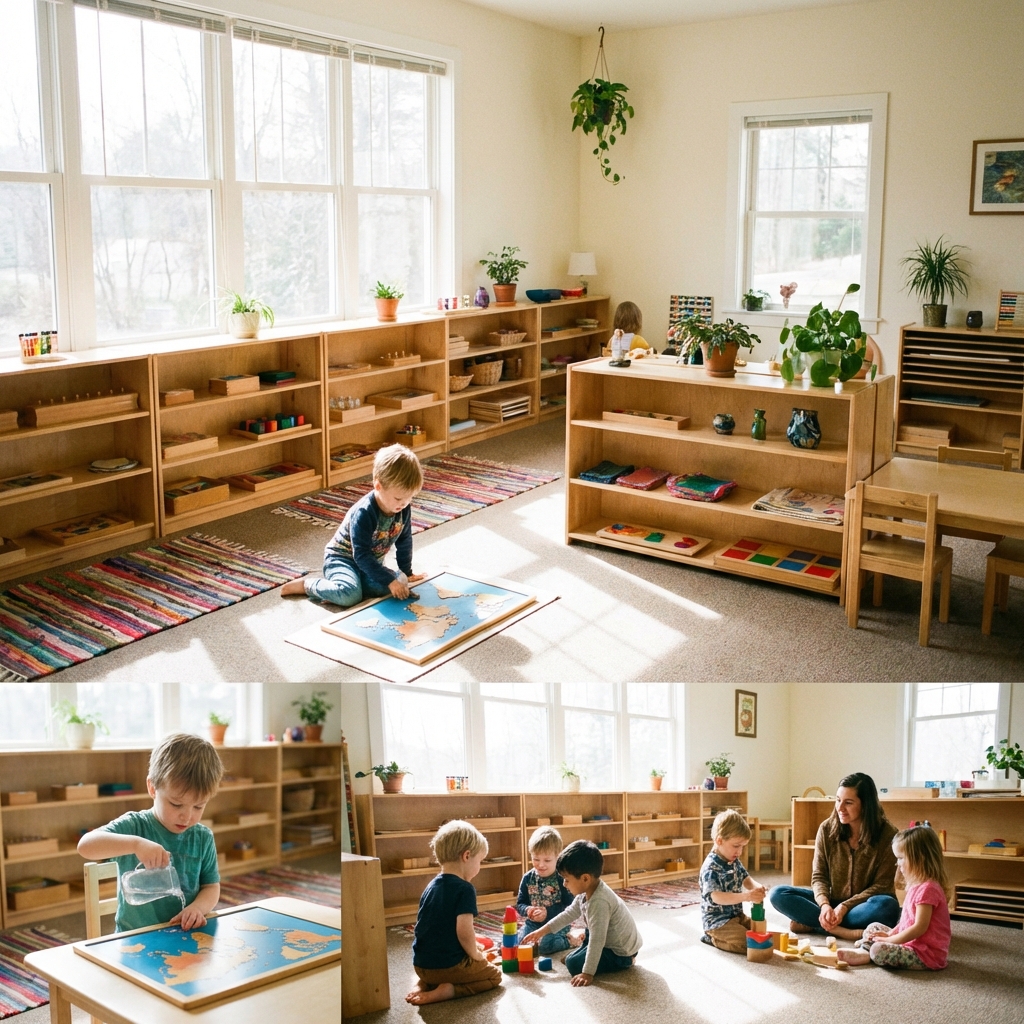
The Montessori Method: A Unique Approach to Education
The Montessori Method, developed by Dr. Maria Montessori in the early 20th century, is a child-centered educational approach that emphasizes self-directed learning, individualized instruction, and hands-on experiential learning. This innovative method has gained popularity worldwide for its focus on nurturing a child’s natural curiosity, independence, and love for learning.
Key principles of the Montessori Method include:
- Child-Led Learning: Children are encouraged to choose their activities and work at their own pace, fostering independence and self-motivation.
- Hands-On Materials: The classroom environment is filled with specially designed educational materials that allow children to explore concepts through touch and movement.
- Individualized Instruction: Teachers observe each child’s interests and abilities to tailor lessons accordingly, promoting personalized learning experiences.
- Mixed-Age Groups: Children of different ages learn together in a supportive community, encouraging collaboration, empathy, and social skills development.
The Montessori Method views education as an aid to life, aiming to cultivate not only academic skills but also social-emotional development, practical life skills, and a sense of responsibility towards oneself and others. By creating a prepared environment that respects each child’s unique needs and abilities, Montessori education seeks to inspire a lifelong love for learning and exploration.
Research has shown that children who receive a Montessori education often demonstrate strong critical thinking skills, creativity, independence, and a positive attitude towards learning. Parents and educators alike appreciate the emphasis on holistic development and respect for the child as an individual in the Montessori classroom.
In conclusion, the Montessori Method offers a refreshing approach to education that values the innate curiosity and potential of every child. By providing a nurturing environment that fosters independence, creativity, and a love for learning, Montessori education continues to make a lasting impact on generations of students around the world.
8 Essential Montessori Tips for Nurturing Independent and Engaged Learners
- Create a prepared environment that is orderly and child-friendly.
- Encourage independence by allowing children to choose their activities.
- Use hands-on learning materials to promote sensory experiences.
- Follow the child’s interests and abilities when planning activities.
- Provide uninterrupted blocks of time for focused work and exploration.
- Foster a sense of community and collaboration among children in the classroom.
- Promote respect for each child’s unique pace of development.
- Emphasize the importance of practical life skills in daily activities.
Create a prepared environment that is orderly and child-friendly.
Creating a prepared environment that is orderly and child-friendly is a fundamental aspect of the Montessori Method. By carefully arranging the classroom space with age-appropriate materials, child-sized furniture, and organized learning areas, educators can support children’s independence, exploration, and sense of order. An environment that is neat, inviting, and tailored to the needs of the child fosters a sense of calm and purposeful activity, allowing children to engage with their surroundings in a meaningful way. This intentional design not only promotes a harmonious learning atmosphere but also empowers children to take ownership of their learning journey within a space that respects and nurtures their development.
Encourage independence by allowing children to choose their activities.
Encouraging independence in children is a fundamental aspect of the Montessori Method. By allowing children to choose their activities, they are empowered to take ownership of their learning and explore subjects that interest them. This approach not only fosters a sense of autonomy and self-motivation but also promotes decision-making skills and self-discipline. Through this freedom of choice, children develop a deeper sense of responsibility for their education and gain confidence in their abilities to learn and grow independently.
Use hands-on learning materials to promote sensory experiences.
Utilizing hands-on learning materials is a fundamental aspect of the Montessori Method, as it encourages sensory experiences that enhance a child’s understanding and retention of concepts. By engaging in tactile activities with specially designed educational materials, children are able to explore and interact with their environment in a meaningful way. These sensory experiences not only stimulate cognitive development but also foster a deeper connection to the subject matter, promoting a holistic approach to learning that aligns with the principles of Montessori education.
Follow the child’s interests and abilities when planning activities.
When implementing the Montessori Method, it is essential to follow the child’s interests and abilities when planning activities. By tailoring educational experiences to align with each child’s unique curiosities and skill levels, educators can create a learning environment that promotes intrinsic motivation, engagement, and personalized growth. This approach not only fosters a sense of autonomy and self-directed learning but also allows children to explore subjects that captivate their attention, leading to deeper understanding and meaningful connections with the material. Embracing the child’s individuality in activity planning is key to nurturing a lifelong love for learning and empowering students to reach their full potential.
Provide uninterrupted blocks of time for focused work and exploration.
In the Montessori Method, it is essential to provide uninterrupted blocks of time for focused work and exploration. By allowing children the freedom to immerse themselves in activities without constant interruptions, they can fully engage with their learning experiences, develop concentration skills, and explore their interests in depth. This approach not only nurtures a sense of independence and self-discipline but also encourages creativity, problem-solving abilities, and a deep sense of satisfaction in their accomplishments. Providing uninterrupted time for focused work and exploration is a cornerstone of the Montessori philosophy, empowering children to take ownership of their learning journey and make meaningful discoveries at their own pace.
Foster a sense of community and collaboration among children in the classroom.
Fostering a sense of community and collaboration among children in the Montessori classroom is a fundamental aspect of the educational approach. By encouraging children to work together, share ideas, and support one another, the Montessori Method cultivates important social skills such as empathy, communication, and teamwork. Through collaborative activities and mixed-age group settings, children learn to appreciate diversity, build relationships, and develop a sense of belonging within their classroom community. This emphasis on community not only enriches the learning experience but also prepares children for a lifetime of positive social interactions and mutual respect.
Promote respect for each child’s unique pace of development.
In the Montessori Method, it is essential to promote respect for each child’s unique pace of development. By recognizing and honoring the individual differences in learning styles, abilities, and interests, educators can create a supportive environment where children feel valued and empowered to progress at their own speed. This approach not only encourages independence and self-motivation but also fosters a sense of confidence and self-esteem in each child as they navigate their educational journey. Ultimately, by embracing and respecting the diverse developmental paths of children, the Montessori Method nurtures a positive and inclusive learning experience that celebrates the richness of each child’s growth and potential.
Emphasize the importance of practical life skills in daily activities.
In the Montessori Method, there is a strong emphasis on the importance of practical life skills in daily activities. By incorporating tasks such as pouring, spooning, sweeping, and buttoning into the curriculum, children not only learn valuable life skills but also develop concentration, coordination, independence, and a sense of responsibility. These activities help children build confidence in their abilities and foster a sense of accomplishment as they engage in purposeful tasks that are meaningful and relevant to their everyday lives.