
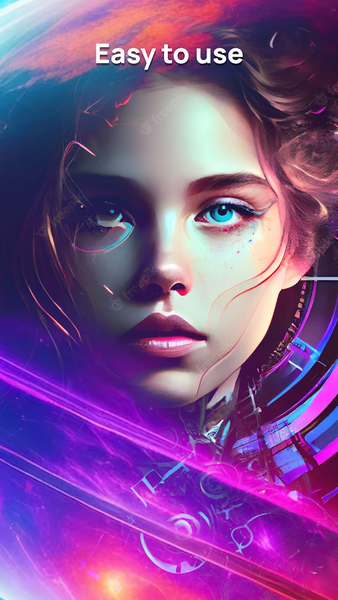
The Rise of AI Art Makers: Revolutionizing Creativity
In recent years, the art world has witnessed a groundbreaking transformation with the emergence of AI art makers. These sophisticated tools are powered by artificial intelligence and have opened up new avenues for creativity, enabling artists and non-artists alike to explore uncharted territories in visual expression.
What is an AI Art Maker?
An AI art maker is a software application that uses machine learning algorithms to generate artwork. By analyzing vast datasets of existing art styles, colors, and patterns, these programs can create original pieces that mimic or blend various artistic techniques. The result is a unique fusion of human creativity and machine precision.
How Do AI Art Makers Work?
AI art makers typically rely on neural networks, which are designed to simulate the way the human brain processes information. These networks are trained using large collections of images and artworks. Once trained, they can generate new images based on user inputs or predefined parameters. Users can often customize aspects such as style, color palette, and composition to influence the final output.
Benefits of Using AI Art Makers
- Accessibility: AI art makers democratize art creation by allowing individuals without formal training to produce high-quality artwork.
- Speed: These tools can generate complex pieces in a fraction of the time it would take a human artist.
- Innovation: By combining different styles and influences, AI-generated art often results in novel and surprising creations.
- Exploration: Artists can use these tools as a source of inspiration or to experiment with new ideas without committing significant resources.
The Impact on Traditional Art
The rise of AI art makers has sparked discussions about the nature of creativity and authorship in the digital age. While some purists argue that true artistry requires human emotion and intent, others see these tools as extensions of human capability that enhance creative potential. Many traditional artists are integrating AI into their workflows to push boundaries and explore new concepts.
The Future of AI in Art
The potential for AI in art is vast and continually evolving. As technology advances, we can expect even more sophisticated tools capable of producing increasingly complex works. The collaboration between humans and machines will likely lead to entirely new genres and forms of artistic expression.
In conclusion, while AI art makers may never fully replace human creativity, they offer exciting possibilities for expanding the horizons of what is possible in art. As these technologies continue to develop, they will undoubtedly play an integral role in shaping the future landscape of creative industries.
Exploring AI Art Makers: FAQs on Their Functionality, Impact, and Future in the Creative Industry
- What is an AI art maker?
- How does an AI art maker work?
- What are the benefits of using AI art makers?
- Can anyone use an AI art maker, or do you need artistic skills?
- Are artworks created by AI art makers considered original?
- How is the use of AI in art impacting traditional artistic practices?
- What role does human creativity play in the output of AI art makers?
- What is the future outlook for AI art makers in the creative industry?
What is an AI art maker?
An AI art maker is a digital tool that leverages artificial intelligence to create artwork. These programs utilize machine learning algorithms, often based on neural networks, to analyze vast datasets of existing art styles, patterns, and techniques. By doing so, they can generate new and unique pieces of art that mimic or blend various artistic influences. Users can typically input specific parameters or preferences, such as style or color palette, allowing the AI to tailor the artwork according to their vision. This technology enables both artists and non-artists to explore creative possibilities beyond traditional methods, offering an innovative way to produce visually compelling works.
How does an AI art maker work?
An AI art maker operates by utilizing sophisticated machine learning algorithms, primarily relying on neural networks designed to mimic human cognitive processes. These networks are trained using extensive datasets of existing artworks, encompassing various styles, techniques, and color palettes. When a user inputs specific parameters or requests a particular style, the AI analyzes this data and generates new artwork by synthesizing elements from the learned dataset. The process involves pattern recognition and replication of artistic features, allowing the AI to produce unique creations that reflect both the input criteria and its learned understanding of art. This technology enables users to create diverse and innovative pieces without needing formal artistic skills.
What are the benefits of using AI art makers?
AI art makers offer a multitude of benefits that are transforming the creative landscape. One of the primary advantages is accessibility, as they enable individuals without formal artistic training to create visually compelling pieces with ease. These tools also significantly reduce the time required to produce art, allowing for rapid experimentation and iteration. Additionally, AI art makers foster innovation by blending various styles and techniques, leading to unique and unexpected creations that might not emerge through traditional methods alone. They also serve as a valuable source of inspiration for artists, providing new perspectives and ideas that can enhance their work. Overall, AI art makers are expanding the boundaries of creativity by making art creation more inclusive, efficient, and dynamic.
Can anyone use an AI art maker, or do you need artistic skills?
AI art makers are designed to be accessible to everyone, regardless of their artistic background or skill level. These tools utilize advanced algorithms to generate artwork based on user inputs, making it possible for individuals without formal training in art to create visually stunning pieces. Users can simply select styles, colors, and other parameters, and the AI does the rest. While having an understanding of artistic principles can enhance the creative process and allow for more refined customization, it is not a prerequisite for using an AI art maker. This democratization of art creation enables anyone with an interest in exploring their creative potential to do so with ease and confidence.
Are artworks created by AI art makers considered original?
Artworks created by AI art makers are often considered original in the sense that they are unique creations generated by algorithms, rather than direct copies of existing works. These AI systems analyze vast datasets of images and styles to produce new pieces that blend various influences, resulting in artworks that have never been seen before. However, the question of originality also involves philosophical and legal considerations about authorship and creativity. While AI-generated art is distinct in its output, some argue that true originality requires human intention and emotional input. Nonetheless, as technology advances, AI art continues to challenge traditional notions of what constitutes an original piece of art.
How is the use of AI in art impacting traditional artistic practices?
The use of AI in art is significantly impacting traditional artistic practices by introducing new tools and methods for creation, thereby broadening the scope of what is considered art. Traditional artists are increasingly incorporating AI technologies into their workflows, using them to experiment with styles and techniques that might be difficult or time-consuming to achieve manually. This integration allows artists to push creative boundaries and explore novel concepts without being constrained by conventional methods. Additionally, AI art makers provide a platform for collaboration between human creativity and machine learning, leading to innovative artworks that blend the best of both worlds. However, this shift also raises questions about authorship and the role of human intuition in art, prompting ongoing discussions about the essence of creativity in the digital age. Overall, while AI is reshaping how art is produced and perceived, it also complements traditional practices by offering new opportunities for artistic expression.
What role does human creativity play in the output of AI art makers?
Human creativity plays a crucial role in the output of AI art makers by guiding and shaping the creative process. While AI art makers utilize algorithms to generate images, it is the human input that sets the parameters, selects styles, and makes decisions about what elements to incorporate or emphasize. Artists can use these tools as extensions of their own creativity, experimenting with different ideas and refining outputs until they achieve the desired result. Additionally, human creativity is essential in interpreting and assigning meaning to the generated artwork, as well as in integrating AI-produced pieces into broader artistic projects or themes. Ultimately, AI art makers serve as powerful collaborators that enhance and expand human creative potential rather than replace it.
What is the future outlook for AI art makers in the creative industry?
The future outlook for AI art makers in the creative industry is incredibly promising, as these tools are poised to revolutionize how art is conceptualized and produced. As artificial intelligence technology continues to advance, AI art makers are expected to become even more sophisticated, offering artists new ways to experiment with styles and techniques that were previously unimaginable. This evolution will likely lead to an expansion of artistic genres and a blending of traditional and digital mediums. Moreover, AI art makers have the potential to democratize creativity by making art creation accessible to a broader audience, including those without formal training. As these tools become more integrated into creative workflows, they will likely foster collaboration between human artists and machines, leading to innovative projects that push the boundaries of artistic expression. Overall, AI art makers are set to play a significant role in shaping the future of the creative industry by enhancing both the process and possibilities of artistic creation.