
The Artistic Legacy of Jackson Pollock
Jackson Pollock, a prominent figure in the abstract expressionist movement, is renowned for his revolutionary approach to art that redefined the boundaries of traditional painting. Born in 1912 in Cody, Wyoming, Pollock’s unique artistic style and innovative techniques have left a lasting impact on the world of modern art.
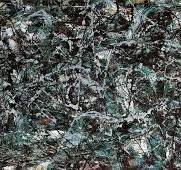
Pollock’s most famous works are characterized by his signature drip painting technique, where he would pour and splatter paint onto canvases laid out on the floor. This unconventional method allowed him to create dynamic and intricate compositions that captured the energy and emotion of the creative process itself.
One of Pollock’s most iconic pieces is “Number 1A, 1948,” a large-scale canvas filled with swirling layers of vibrant colors that seem to dance and flow across the surface. This masterpiece exemplifies Pollock’s ability to evoke a sense of movement and spontaneity in his work, inviting viewers to immerse themselves in the chaotic beauty of abstract expressionism.
Throughout his career, Pollock pushed the boundaries of traditional art forms and challenged conventional notions of beauty and aesthetics. His work has inspired generations of artists to explore new possibilities in art-making and embrace experimentation as a vital part of the creative process.
Today, Jackson Pollock’s legacy continues to influence contemporary artists and art enthusiasts around the world. His innovative spirit and fearless approach to art have cemented his place as one of the most influential figures in modern art history, leaving behind a rich legacy that will continue to inspire future generations for years to come.
Exploring Jackson Pollock: 5 Tips to Understand His Revolutionary Art Style
- Jackson Pollock was a leading figure in the abstract expressionist movement.
- His unique painting style involved dripping and splattering paint onto canvas laid on the floor.
- Pollock’s works often convey a sense of energy, movement, and emotion.
- He used unconventional tools like sticks and syringes to create his distinctive patterns.
- Studying Pollock’s art can offer insights into the spontaneity and freedom of abstract expressionism.
Jackson Pollock was a leading figure in the abstract expressionist movement.
Jackson Pollock was a leading figure in the abstract expressionist movement, known for his innovative and unconventional approach to art. His pioneering use of the drip painting technique revolutionized the way artists approached canvas, allowing for a more spontaneous and visceral form of expression. Pollock’s work challenged traditional notions of painting and paved the way for a new era of abstract art that prioritized emotion, energy, and experimentation. His influence on the art world continues to be felt today, as artists draw inspiration from his bold and dynamic creations.
His unique painting style involved dripping and splattering paint onto canvas laid on the floor.
Jackson Pollock’s distinctive painting technique revolutionized the art world by incorporating the unconventional method of dripping and splattering paint onto canvases placed on the floor. This innovative approach allowed Pollock to create dynamic and intricate compositions that captured the essence of movement and spontaneity in his artwork. By embracing this unique process, Pollock was able to break free from traditional constraints and unleash a new form of artistic expression that continues to inspire and captivate audiences worldwide.
Pollock’s works often convey a sense of energy, movement, and emotion.
Jackson Pollock’s art is renowned for its ability to convey a profound sense of energy, movement, and emotion. Through his innovative drip painting technique, Pollock created dynamic and intricate compositions that seem to pulsate with life. The spontaneous and chaotic nature of his work captures the raw emotions and energy of the creative process itself, inviting viewers to experience a visceral connection with the artwork. Pollock’s unique approach to painting not only revolutionized the art world but also continues to inspire audiences with its expressive power and emotional depth.
He used unconventional tools like sticks and syringes to create his distinctive patterns.
Jackson Pollock, known for his groundbreaking contributions to abstract expressionism, employed unconventional tools such as sticks and syringes to craft his distinctive patterns in his artwork. By eschewing traditional brushes and embracing these unorthodox implements, Pollock was able to achieve a unique level of spontaneity and dynamism in his compositions. The use of sticks and syringes allowed him to manipulate the flow of paint in ways that traditional tools could not, resulting in the intricate and mesmerizing patterns that have become synonymous with his innovative artistic style.
Studying Pollock’s art can offer insights into the spontaneity and freedom of abstract expressionism.
Studying Jackson Pollock’s art can provide valuable insights into the essence of spontaneity and freedom that define abstract expressionism. By closely examining Pollock’s innovative techniques, such as his drip painting method, art enthusiasts can unravel the artist’s unique approach to creating dynamic and emotionally charged compositions. Through his work, Pollock invites viewers to embrace the unpredictable nature of creativity and appreciate the liberating power of artistic expression unconstrained by conventional norms. Delving into Pollock’s art not only offers a glimpse into his creative process but also encourages a deeper understanding of the boundless possibilities that abstract expressionism offers for artists seeking to break free from traditional artistic constraints.