
The Art of Doodle Art
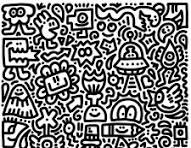
Doodle art, often dismissed as simple scribbles or mindless drawings, is a form of artistic expression that holds a unique charm and creativity. What may seem like random lines and shapes at first glance can evolve into intricate patterns, whimsical characters, and captivating designs in the hands of a skilled doodler.
Unlike traditional art forms that require meticulous planning and precision, doodle art thrives on spontaneity and improvisation. It is a free-flowing style of drawing that allows artists to unleash their imagination without constraints or rules. Doodling can be done on paper, notebooks, digital devices, or any surface that inspires creativity.
Many people turn to doodle art as a way to relax, relieve stress, and stimulate their creativity. The act of doodling has been found to improve focus, memory retention, and problem-solving skills. It serves as a form of meditation for some artists, allowing them to enter a state of flow where ideas flow effortlessly from their minds to the page.
One of the fascinating aspects of doodle art is its versatility. Artists can incorporate various elements such as patterns, shapes, typography, and colors into their doodles to create visually stunning compositions. Some doodlers use intricate line work to create elaborate designs, while others combine simple shapes to convey complex emotions.
With the rise of social media platforms like Instagram and Pinterest, doodle art has gained popularity as artists share their creations with a global audience. The vibrant community of doodlers provides inspiration and support for those looking to explore this expressive art form.
Whether you are an experienced artist or someone looking to tap into your creative side, doodle art offers a fun and accessible way to express yourself. So grab a pen or stylus and let your imagination run wild as you embark on your own doodling journey!
Everything You Need to Know About Doodle Art: Types, Styles, and Getting Started
- What are the 4 types of doodle art?
- What are the five styles of doodling?
- How do you make doodle art?
- How do I start doodle art?
- What is the meaning of doodling art?
What are the 4 types of doodle art?
When it comes to doodle art, there are four main types that artists commonly explore: patterns and textures, objects and shapes, characters and creatures, and abstract designs. Patterns and textures involve repeating shapes or lines to create intricate designs that can be both soothing and visually appealing. Objects and shapes focus on drawing everyday items or geometric forms in a playful and imaginative way. Characters and creatures bring doodles to life with whimsical figures, animals, or fantasy beings. Abstract designs allow artists to experiment with colors, lines, and shapes to create non-representational artworks that evoke emotions and spark creativity. Each type of doodle art offers a unique avenue for self-expression and artistic exploration.
What are the five styles of doodling?
When it comes to doodle art, there are five common styles of doodling that artists often explore. The first style is patterns and textures, where artists create intricate designs using repetitive shapes and lines to add depth and visual interest to their doodles. The second style is characters and creatures, which involves drawing whimsical figures, animals, or fantasy beings that bring life and personality to the artwork. The third style is abstract doodles, where artists play with shapes, colors, and composition to create non-representational art that sparks the viewer’s imagination. The fourth style is typography doodles, where words and letters are creatively integrated into the artwork to convey messages or add a decorative element. Lastly, the fifth style is nature-inspired doodles, where artists draw elements from the natural world such as flowers, leaves, or landscapes to infuse their artwork with organic beauty and symbolism. Each of these styles offers a unique way for artists to express themselves through the playful and versatile medium of doodle art.
How do you make doodle art?
Creating doodle art is a spontaneous and liberating process that allows individuals to unleash their creativity without constraints. To make doodle art, start by grabbing a pen or pencil and a piece of paper. Begin by making random lines, shapes, and patterns, letting your imagination guide your hand. Experiment with different textures, sizes, and styles to create depth and visual interest in your doodles. Don’t be afraid to make mistakes or go outside the lines – doodle art thrives on imperfections and unexpected twists. Let your mind wander freely as you explore new ideas and themes in your doodles. Remember, there are no rules in doodle art; it’s all about expressing yourself in a playful and intuitive way. So relax, have fun, and enjoy the creative journey of making doodle art!
How do I start doodle art?
Embarking on your doodle art journey is as simple as putting pen to paper and letting your creativity flow. To start doodle art, begin by gathering basic drawing supplies like pens, pencils, markers, and paper. Find a comfortable and inspiring workspace where you can relax and let your imagination run free. Start with simple shapes, lines, and patterns, gradually building upon them to create more complex designs. Don’t be afraid to experiment and make mistakes – doodle art is all about embracing spontaneity and enjoying the process of creation. Remember, there are no rules in doodling, so trust your instincts and have fun exploring this expressive and therapeutic art form.
What is the meaning of doodling art?
The meaning of doodling art lies in its spontaneous and free-form nature, allowing individuals to express their creativity without boundaries. Doodling is not about creating perfect or structured drawings but rather about letting the mind wander and the hand move freely to create unique patterns, designs, and characters. It serves as a form of self-expression, relaxation, and exploration of ideas. Doodling art can reveal insights into one’s thoughts, emotions, and subconscious mind, making it a fascinating and personal form of artistic expression.