
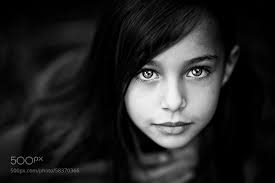
The Art of Black and White Portrait Photography
Black and white portrait photography is a timeless and captivating art form that has been cherished for centuries. By stripping away color, these photographs focus on the essence of the subject, capturing emotions, expressions, and details in a way that is both striking and evocative.
One of the key advantages of black and white portrait photography is its ability to convey mood and emotion in a powerful way. Without the distraction of color, viewers are drawn to the subject’s eyes, facial features, and body language, allowing for a deeper connection with the image.
Lighting plays a crucial role in black and white portrait photography. Shadows and highlights create contrast, texture, and depth in the image, adding drama and intensity to the composition. Photographers often experiment with different lighting techniques to achieve the desired effect, whether it be soft and subtle or bold and dramatic.
Composition is another important aspect of black and white portrait photography. Framing, angles, poses, and backgrounds all contribute to the overall impact of the image. By carefully composing their shots, photographers can create visually stunning portraits that tell a story or evoke a specific feeling.
Black and white portrait photography also allows for creative expression through post-processing techniques. Photographers can manipulate contrast, tones, sharpness, and grain to enhance the mood or style of their images. Each adjustment adds depth and character to the final photograph.
Whether capturing candid moments or creating elaborate studio portraits, black and white photography offers endless possibilities for artistic expression. It challenges photographers to see beyond color and focus on capturing raw emotions, subtle nuances, and timeless beauty.
In conclusion, black and white portrait photography is a versatile art form that continues to inspire photographers around the world. Its ability to convey emotion, capture detail, and evoke nostalgia makes it a favorite among both professionals and enthusiasts alike. Through skillful composition, lighting techniques, and post-processing methods, photographers can create captivating black and white portraits that stand the test of time.
Mastering Black and White Portrait Photography: Top FAQs Answered
- How to shoot a black and white portrait?
- How do you take black and white photos in a portrait?
- What is the best setting for black and white photography?
- How to take a good black and white portrait?
- What is the 3:1 rule in photography?
- Who are the black and white portrait photographers?
- How to get sharp B&W portraits?
- What are black and white portraits called?
- What makes a good black and white portrait photo?
How to shoot a black and white portrait?
Capturing a compelling black and white portrait involves a thoughtful approach to composition, lighting, and post-processing techniques. To shoot a black and white portrait successfully, start by considering the mood and emotion you want to convey through the image. Pay attention to lighting, as shadows and highlights can create depth and drama in black and white photography. Experiment with different angles, poses, and backgrounds to compose a visually engaging portrait. During post-processing, adjust contrast, tones, and sharpness to enhance the overall impact of the image. By focusing on these key elements, you can create a striking black and white portrait that captures the essence of your subject in a timeless manner.
How do you take black and white photos in a portrait?
To capture black and white photos in a portrait, start by setting your camera to shoot in monochrome mode or convert your color images to black and white during post-processing. Pay close attention to lighting, as shadows and highlights play a significant role in creating contrast and depth in black and white portraits. Experiment with different lighting setups, such as natural light, studio lights, or flash, to achieve the desired effect. Focus on capturing emotions, expressions, and details that will stand out without the distraction of color. Consider composition elements like framing, angles, poses, and backgrounds to enhance the visual impact of your black and white portrait photography.
What is the best setting for black and white photography?
When it comes to black and white portrait photography, one frequently asked question is, “What is the best setting for black and white photography?” The answer to this question can vary depending on the photographer’s artistic vision and the specific requirements of the photo shoot. However, some general tips for achieving great black and white portraits include using ample natural light or controlled artificial lighting to create contrast and depth, experimenting with different camera settings such as aperture priority or manual mode to control exposure and depth of field, and paying attention to composition and framing to capture the subject’s emotions and expressions effectively in monochrome. Ultimately, the best setting for black and white photography is one that allows the photographer to convey their creative vision while capturing compelling portraits that resonate with viewers.
How to take a good black and white portrait?
Capturing a compelling black and white portrait involves several key elements that contribute to a successful image. Firstly, focus on finding the right lighting that creates contrast and depth in the photograph, emphasizing the subject’s features and expressions. Pay attention to composition by framing the subject thoughtfully, considering angles, poses, and backgrounds to enhance the overall visual impact. Experiment with different post-processing techniques to adjust contrast, tones, and sharpness, adding texture and mood to the final image. Ultimately, taking a good black and white portrait requires a combination of technical skill, artistic vision, and an understanding of how to convey emotion and storytelling through a monochromatic lens.
What is the 3:1 rule in photography?
In the realm of black and white portrait photography, the 3:1 rule is a composition guideline that emphasizes the importance of balancing light and shadow to create visually engaging images. This rule suggests that for every three units of light falling on a subject, there should be one unit of shadow present. By following this principle, photographers can achieve a harmonious blend of highlights and shadows in their portraits, adding depth, dimension, and texture to the final image. The 3:1 rule serves as a valuable tool for photographers seeking to master the art of lighting in portrait photography and enhance the overall impact of their black and white compositions.
Who are the black and white portrait photographers?
When seeking information on black and white portrait photography, a common question that arises is, “Who are the black and white portrait photographers?” Black and white portrait photographers encompass a diverse group of artists who specialize in capturing the essence of their subjects through monochromatic imagery. Renowned photographers such as Ansel Adams, Dorothea Lange, Richard Avedon, and Irving Penn have made significant contributions to the art form with their iconic black and white portraits that evoke emotion, tell stories, and showcase the beauty of simplicity. These talented individuals have paved the way for aspiring photographers to explore the endless creative possibilities of black and white portrait photography.
How to get sharp B&W portraits?
To achieve sharp black and white portraits, photographers should pay close attention to several key factors. Firstly, ensuring proper focus is essential. Use a narrow aperture setting to increase depth of field and focus on the subject’s eyes, which are often the focal point of a portrait. Additionally, using a tripod can help stabilize the camera and reduce any potential blur from camera shake. Adequate lighting is crucial for sharpness – whether natural light or artificial lighting, ensure that the subject is well-lit to capture crisp details. Lastly, during post-processing, fine-tuning contrast and sharpness levels can further enhance the clarity and sharpness of black and white portraits. By carefully considering these elements, photographers can achieve strikingly sharp black and white portraits that captivate viewers with their clarity and detail.
What are black and white portraits called?
Black and white portraits are often referred to simply as “black and white portraits.” The absence of color in these photographs allows the focus to shift onto the subject’s features, expressions, and emotions captured in shades of gray. This classic style of photography has a timeless quality that emphasizes the essence of the subject, creating a sense of nostalgia and elegance. The monochromatic tones in black and white portraits add a level of sophistication and artistry to the images, making them a popular choice for capturing both traditional and contemporary portraits.
What makes a good black and white portrait photo?
When it comes to creating a compelling black and white portrait photo, several key elements come into play. Firstly, capturing emotion and expression in the subject’s face and eyes is essential. A good black and white portrait should evoke a sense of mood or feeling that resonates with the viewer. Additionally, paying attention to lighting is crucial as it can dramatically enhance the contrast, texture, and depth of the image. Composition plays a significant role as well, with framing, angles, poses, and backgrounds contributing to the overall impact of the photograph. Finally, post-processing techniques can be used to fine-tune the tones, contrast, and sharpness to bring out the best in the subject and create a visually striking image that stands out.