
The Importance of Safety Training in the Workplace
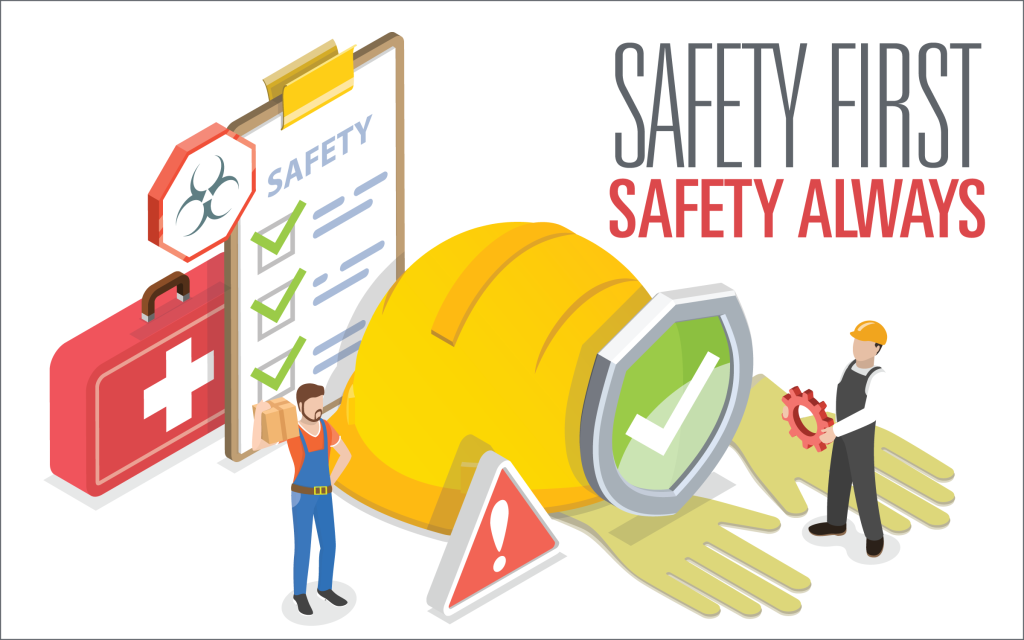
Safety training is a crucial aspect of any workplace, regardless of the industry. It plays a vital role in ensuring the well-being of employees and creating a safe working environment. Here are some key reasons why safety training is essential:
Preventing Accidents and Injuries
Proper safety training equips employees with the knowledge and skills to identify potential hazards and take appropriate precautions to prevent accidents and injuries. By understanding safety protocols and procedures, employees can minimize risks and create a safer workplace for themselves and their colleagues.
Compliance with Regulations
Many industries have specific safety regulations and standards that companies must adhere to. Safety training ensures that employees are aware of these regulations and understand their responsibilities in maintaining compliance. By staying up-to-date with safety requirements, companies can avoid costly fines and legal issues.
Promoting a Culture of Safety
Safety training helps foster a culture of safety within an organization. When employees receive regular training on safety practices, they become more conscious of potential risks and are more likely to prioritize safety in their daily tasks. A strong culture of safety leads to higher employee morale, increased productivity, and reduced absenteeism due to injuries.
Improving Emergency Response
In the event of an emergency or crisis situation, proper safety training can make a significant difference in how effectively employees respond. From knowing how to use fire extinguishers to performing CPR, trained employees are better prepared to handle emergencies and provide assistance until professional help arrives.
Enhancing Overall Performance
Safety training not only protects employees from harm but also contributes to overall performance and efficiency in the workplace. When employees feel safe and confident in their work environment, they are more focused, motivated, and productive. Investing in safety training can ultimately lead to improved job satisfaction and retention rates.
In conclusion, safety training is an essential component of any successful business operation. By prioritizing employee safety through comprehensive training programs, companies can create a secure work environment, comply with regulations, promote a culture of safety, improve emergency response capabilities, and enhance overall performance.
Essential FAQs About Safety Training: Importance, Benefits, and Best Practices
- What is safety training?
- Why is safety training important in the workplace?
- Who needs to undergo safety training?
- What topics are typically covered in safety training programs?
- How often should safety training be conducted?
- What are the legal requirements for safety training in the workplace?
- How can employees benefit from safety training?
- What are some common methods used to deliver safety training?
What is safety training?
Safety training is a structured educational program designed to equip individuals with the knowledge, skills, and awareness necessary to identify potential hazards, mitigate risks, and promote a safe working environment. Safety training covers a wide range of topics, including emergency procedures, hazard recognition, personal protective equipment usage, and compliance with industry regulations. By providing employees with comprehensive safety training, organizations can empower their workforce to prevent accidents, respond effectively to emergencies, and contribute to a culture of safety within the workplace.
Why is safety training important in the workplace?
Safety training is crucial in the workplace for several reasons. First and foremost, it helps prevent accidents and injuries by equipping employees with the knowledge and skills to identify potential hazards and take necessary precautions. Additionally, safety training ensures compliance with industry regulations, promoting a safe working environment that minimizes risks and liabilities. By instilling a culture of safety through training programs, organizations can enhance employee awareness, reduce incidents, improve emergency response readiness, and ultimately create a more productive and secure workplace for everyone.
Who needs to undergo safety training?
Safety training is essential for all individuals who work in environments where potential hazards exist. Whether you are a new employee, a seasoned worker, a supervisor, or a manager, undergoing safety training is crucial to ensure that you have the knowledge and skills to identify risks, follow proper safety protocols, and contribute to a safe work environment. From construction sites to office buildings, manufacturing facilities to healthcare settings, anyone who may be exposed to workplace hazards should undergo safety training to protect themselves and their colleagues from accidents and injuries. By investing in comprehensive safety training for all employees, organizations can create a culture of safety and minimize risks in the workplace.
What topics are typically covered in safety training programs?
Safety training programs cover a wide range of topics to ensure that employees are equipped with the knowledge and skills necessary to maintain a safe work environment. Common topics included in safety training programs may encompass hazard identification and risk assessment, emergency procedures and evacuation plans, personal protective equipment (PPE) usage, workplace ergonomics, fire safety and prevention, electrical safety, chemical handling and storage, first aid and CPR training, as well as workplace violence prevention. By addressing these key areas in safety training programs, organizations can effectively educate their employees on best practices for maintaining a safe and secure workplace.
How often should safety training be conducted?
Safety training should be conducted regularly to ensure that employees are equipped with the necessary knowledge and skills to maintain a safe work environment. The frequency of safety training sessions may vary depending on factors such as the nature of the workplace, industry regulations, and specific job duties. It is recommended that safety training be conducted at least annually, with additional refresher courses provided as needed or in response to new hazards or changes in work conditions. By consistently reinforcing safety protocols and practices through regular training sessions, companies can help prevent accidents, injuries, and ensure that employees remain vigilant and prepared to respond to potential risks effectively.
What are the legal requirements for safety training in the workplace?
Understanding the legal requirements for safety training in the workplace is crucial for both employers and employees. In the United States, the Occupational Safety and Health Administration (OSHA) sets forth regulations that mandate employers to provide a safe working environment for their employees. OSHA requires employers to identify workplace hazards, implement safety protocols, and provide training to employees on how to recognize and mitigate risks. Specific industries may have additional regulations and standards that must be followed to ensure compliance with federal and state laws. By adhering to these legal requirements for safety training, employers can protect their workforce, reduce liabilities, and maintain a safe and healthy workplace environment.
How can employees benefit from safety training?
Employees can benefit significantly from safety training in various ways. Firstly, safety training equips employees with the knowledge and skills to identify potential hazards in the workplace, allowing them to take proactive measures to prevent accidents and injuries. By understanding safety protocols and procedures, employees can create a safer work environment for themselves and their colleagues. Additionally, safety training helps employees comply with regulations, promoting a culture of safety within the organization. Furthermore, by enhancing emergency response capabilities and overall performance, safety training not only protects employees but also contributes to increased job satisfaction and productivity. Overall, investing in safety training is crucial for ensuring the well-being and success of employees in any workplace setting.
What are some common methods used to deliver safety training?
Various methods are commonly used to deliver safety training in the workplace. These include traditional classroom-based sessions where instructors provide lectures and demonstrations on safety procedures and protocols. Online training modules and e-learning platforms are also popular, allowing employees to complete safety courses at their own pace and convenience. Hands-on training, such as simulations, drills, and practical exercises, can help employees apply safety knowledge in real-world scenarios. Additionally, workshops, seminars, and safety meetings provide opportunities for interactive learning and discussion among employees. Employers often utilize a combination of these methods to ensure comprehensive and effective safety training for their workforce.