
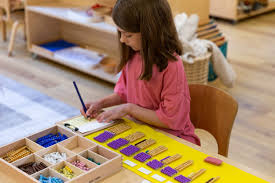
The Montessori Education Approach
Montessori education is a unique approach to learning that emphasizes independence, freedom within limits, and respect for a child’s natural psychological development. Developed by Dr. Maria Montessori in the early 20th century, this educational method has gained popularity worldwide for its focus on fostering a child’s innate curiosity and love for learning.
One of the key principles of Montessori education is the belief that children are naturally eager to learn and explore their environment. In a Montessori classroom, children are encouraged to follow their interests and work at their own pace, allowing them to develop a sense of autonomy and self-motivation.
Montessori classrooms are carefully prepared environments that feature specially designed materials and activities that promote hands-on learning and sensory exploration. Children are given the freedom to choose their work and engage in activities that capture their interest, fostering a sense of responsibility and independence.
Teachers in Montessori schools act as guides rather than lecturers, observing each child’s progress and providing individualized support when needed. They create a nurturing atmosphere where children feel respected and valued, fostering a sense of community and cooperation among students.
Montessori education also places a strong emphasis on practical life skills, such as self-care, problem-solving, and social interaction. By integrating these skills into the curriculum, children develop not only academically but also emotionally and socially, preparing them for success in the future.
In conclusion, Montessori education offers a holistic approach to learning that nurtures each child’s unique abilities and interests. By providing a supportive environment that encourages independence, creativity, and critical thinking, Montessori schools empower children to become confident learners who are well-equipped for lifelong success.
9 Essential Tips for Implementing Montessori Education at Home
- Create a prepared environment that is orderly and child-friendly.
- Encourage independence by allowing children to choose their activities.
- Focus on hands-on learning experiences to promote exploration and discovery.
- Respect each child’s individual pace of learning and development.
- Use multi-sensory materials to engage different learning styles.
- Promote collaboration and social interaction among children.
- Provide opportunities for practical life skills development, such as pouring or buttoning.
- Emphasize the importance of uninterrupted work cycles for deep concentration.
- Offer freedom within limits to foster self-discipline and responsibility.
Create a prepared environment that is orderly and child-friendly.
Creating a prepared environment that is orderly and child-friendly is a fundamental aspect of Montessori education. By carefully organizing the classroom with age-appropriate materials, furniture, and learning tools, educators can promote independence and self-directed learning among students. A well-structured environment allows children to navigate their surroundings with ease, fosters a sense of responsibility for maintaining order, and encourages exploration and discovery in a safe and welcoming space. Through thoughtful design and intentional placement of resources, educators can support children’s natural curiosity and desire to learn while promoting a sense of calm and focus within the learning environment.
Encourage independence by allowing children to choose their activities.
Encouraging independence in Montessori education involves empowering children to make choices about their activities. By allowing children to select their tasks and work at their own pace, they develop a sense of autonomy and responsibility for their learning. This approach not only fosters a child’s natural curiosity and self-motivation but also promotes decision-making skills and self-discipline. Providing opportunities for children to choose their activities in a Montessori classroom nurtures their independence and helps them develop the confidence to explore, learn, and grow in a supportive environment.
Focus on hands-on learning experiences to promote exploration and discovery.
To enhance the Montessori educational experience, it is crucial to prioritize hands-on learning opportunities that encourage active exploration and discovery among students. By engaging in tactile activities and interacting directly with materials, children can deepen their understanding of concepts, develop critical thinking skills, and cultivate a sense of curiosity and wonder. Hands-on learning experiences not only make learning more engaging and memorable but also promote independence, creativity, and problem-solving abilities in students, fostering a holistic approach to education that aligns with the core principles of Montessori philosophy.
Respect each child’s individual pace of learning and development.
In Montessori education, it is essential to respect each child’s individual pace of learning and development. By acknowledging and honoring the unique abilities, interests, and challenges of every student, educators can create a supportive environment that allows children to progress at their own speed. This approach fosters a sense of autonomy, self-confidence, and intrinsic motivation in learners, enabling them to reach their full potential while embracing their individuality.
Use multi-sensory materials to engage different learning styles.
When implementing Montessori education, it is essential to utilize multi-sensory materials to cater to different learning styles. By incorporating tactile, visual, auditory, and kinesthetic elements into the learning environment, educators can effectively engage students with diverse preferences and strengths. This approach not only enhances the learning experience but also fosters a deeper understanding and retention of concepts as students are able to interact with the materials in ways that resonate with their individual learning styles.
Promote collaboration and social interaction among children.
Promoting collaboration and social interaction among children is a fundamental aspect of Montessori education. By encouraging students to work together, share ideas, and engage in group activities, Montessori schools foster a sense of community and cooperation that helps children develop important social skills such as communication, empathy, and teamwork. Through collaborative learning experiences, children learn to respect each other’s perspectives, solve problems collectively, and appreciate the value of working together towards a common goal. This emphasis on collaboration not only enhances academic learning but also nurtures essential life skills that are crucial for success in the classroom and beyond.
Provide opportunities for practical life skills development, such as pouring or buttoning.
In Montessori education, it is essential to provide opportunities for practical life skills development, such as pouring or buttoning. These activities not only help children develop fine motor skills and hand-eye coordination but also instill a sense of independence and confidence in their abilities. By engaging in tasks like pouring water from one container to another or buttoning a shirt, children learn valuable skills that they can apply to everyday life, promoting self-sufficiency and a sense of accomplishment.
Emphasize the importance of uninterrupted work cycles for deep concentration.
In Montessori education, emphasizing the importance of uninterrupted work cycles is crucial for fostering deep concentration in children. By allowing students to engage in activities without interruptions, they can fully immerse themselves in their tasks, leading to enhanced focus, problem-solving skills, and a sense of accomplishment. Uninterrupted work cycles enable children to explore their interests at their own pace, develop sustained attention spans, and experience the satisfaction of completing a task independently. This approach not only promotes academic growth but also nurtures a child’s intrinsic motivation and self-discipline, laying a strong foundation for lifelong learning and success.
Offer freedom within limits to foster self-discipline and responsibility.
Offering freedom within limits is a fundamental aspect of Montessori education that aims to cultivate self-discipline and responsibility in children. By providing students with the autonomy to make choices within a structured environment, they learn to navigate boundaries and consequences, developing a sense of accountability for their actions. This approach encourages children to explore their interests, take ownership of their learning journey, and practice making decisions independently, laying a strong foundation for self-discipline and responsible behavior in both academic and personal endeavors.