
Exploring the Genius of Michelangelo
Michelangelo Buonarroti, a name synonymous with artistic brilliance and timeless masterpieces, continues to captivate art enthusiasts and historians alike centuries after his passing. Born in 1475 in Caprese, Italy, Michelangelo was a sculptor, painter, architect, and poet whose contributions to the world of art are unparalleled.
One of Michelangelo’s most famous works is the ceiling of the Sistine Chapel in Vatican City. Painted between 1508 and 1512, this masterpiece features iconic scenes from the Book of Genesis, including the creation of Adam and the Last Judgment. The intricate details, vibrant colors, and emotional depth of these frescoes showcase Michelangelo’s unparalleled skill and creativity.
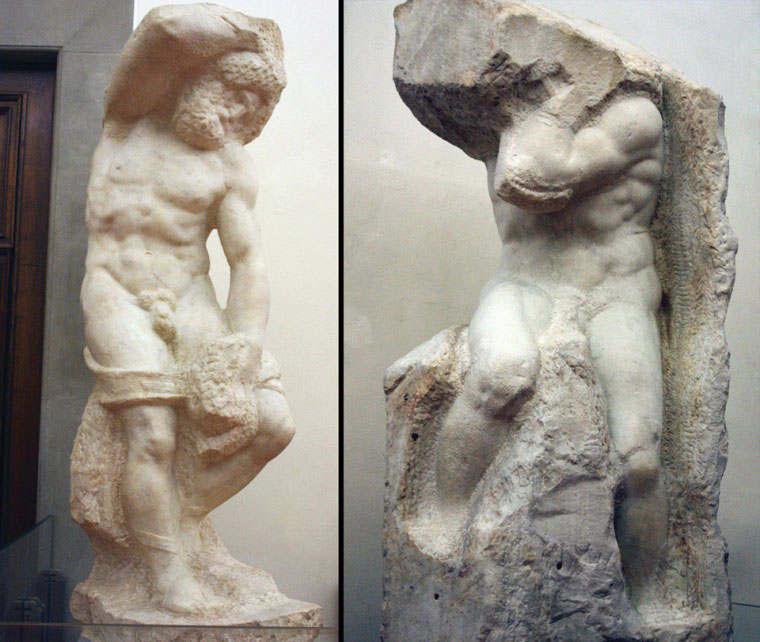
In addition to his painting talents, Michelangelo was also a gifted sculptor. His sculptures, such as “David” and “Pieta,” are celebrated for their realism and emotional intensity. “David,” a colossal marble statue depicting the biblical hero David before his battle with Goliath, is considered a symbol of strength and beauty. “Pieta,” on the other hand, portrays the Virgin Mary holding the lifeless body of Jesus with remarkable grace and sorrow.
Michelangelo’s architectural legacy can be seen in works like St. Peter’s Basilica in Rome. His design for this iconic church laid the foundation for Baroque architecture and remains a testament to his vision and innovation in blending artistry with structural engineering.
Throughout his life, Michelangelo pushed boundaries, challenged conventions, and left an indelible mark on the world of art. His ability to infuse passion and emotion into his creations continues to inspire artists and admirers worldwide.
In conclusion, Michelangelo’s artistic genius transcends time and space, reminding us of the power of creativity to touch hearts and minds across generations. As we continue to study his works and unravel their complexities, we gain a deeper appreciation for the enduring legacy of this Renaissance maestro.
Michelangelo: A Master of Art, Emotion, and Legacy
- Master of multiple art forms
- Iconic masterpieces
- Realism and emotion
- Innovative architectural designs
- Enduring legacy
7 Drawbacks of Michelangelo’s Art: Exploring the Challenges and Limitations
- Limited subject matter
- Highly detailed
- Expensive to acquire
- Intense emotional content
- Time-consuming process
- Limited accessibility
- Complex symbolism
Master of multiple art forms
Michelangelo’s unparalleled talent as a master of multiple art forms set him apart as one of the most versatile and accomplished artists in history. His exceptional skills in sculpture, painting, architecture, and poetry showcased his boundless creativity and artistic vision. From the breathtaking sculptures like “David” and “Pieta” to the awe-inspiring frescoes on the ceiling of the Sistine Chapel, Michelangelo’s ability to excel across various mediums demonstrated his genius and left an indelible mark on the world of art. His proficiency in these diverse disciplines not only solidified his reputation as a Renaissance polymath but also continues to inspire admiration and awe among art enthusiasts worldwide.
Iconic masterpieces
Michelangelo’s iconic masterpieces, including the breathtaking Sistine Chapel ceiling and renowned sculptures like ‘David,’ have solidified his status as a legendary artist whose influence transcends time and borders. The intricate details, emotional depth, and sheer brilliance of these works have captivated audiences worldwide, earning Michelangelo a place among the greatest artists in history. The Sistine Chapel ceiling, with its vivid frescoes depicting scenes from the Book of Genesis, and the monumental marble statue of ‘David,’ exuding strength and beauty, stand as enduring testaments to Michelangelo’s unparalleled talent and artistic vision.
Realism and emotion
Michelangelo’s art stands out for its remarkable realism, profound emotional expression, and meticulous attention to detail. His ability to capture the human form with such lifelike precision and convey a wide range of emotions through his sculptures and paintings is truly unparalleled. Whether depicting the muscular intensity of a figure like David or the tender grief in the Pieta, Michelangelo’s works evoke a sense of raw emotion that resonates with viewers on a deep and personal level. The intricate details in his art further demonstrate his dedication to perfection and his unwavering commitment to portraying the beauty and complexity of the human experience with astonishing accuracy.
Innovative architectural designs
Michelangelo’s innovative architectural designs, exemplified by iconic structures like St. Peter’s Basilica, stand as a testament to his visionary approach to blending artistry with structural engineering. His architectural contributions have left an indelible mark on the world of architecture, inspiring generations of architects with his bold and groundbreaking designs. St. Peter’s Basilica, in particular, continues to awe and inspire with its grandeur and magnificence, showcasing Michelangelo’s ability to create monumental structures that transcend time and continue to shape the architectural landscape today.
Enduring legacy
Michelangelo’s enduring legacy lies in his artistic genius, which has transcended time and left a profound impact on the world of art. His innovative techniques, emotional depth, and unparalleled skill continue to inspire and influence artists across generations. From his iconic sculptures to breathtaking frescoes, Michelangelo’s work serves as a timeless beacon of creativity and excellence, showcasing the power of art to resonate with audiences throughout history.
Limited subject matter
Michelangelo’s artistic repertoire, though undeniably magnificent, is characterized by a con of limited subject matter. His predominant focus on religious themes, while significant in its spiritual depth and symbolism, may not resonate with individuals seeking a broader spectrum of artistic expressions. The prevalence of biblical narratives and sacred imagery in Michelangelo’s works could potentially alienate those who prefer more diverse and secular themes in art. Despite this limitation, Michelangelo’s unparalleled skill and profound devotion to his craft continue to inspire admiration and contemplation among art enthusiasts worldwide.
Highly detailed
The intricate details found in Michelangelo’s sculptures and paintings, while a testament to his extraordinary skill and precision, may pose a challenge for certain viewers who gravitate towards simpler or more abstract art forms. The meticulous craftsmanship and complex compositions in Michelangelo’s works can sometimes overwhelm those seeking a more minimalist or open-ended artistic experience. However, it is precisely this attention to detail that sets Michelangelo apart as a master of his craft, inviting viewers to explore the depths of his creations and appreciate the artistry behind every stroke and chisel mark.
Expensive to acquire
Authentic Michelangelo artworks are highly sought after for their historical significance and artistic value, making them exceptionally rare and expensive to acquire. The scarcity of these masterpieces, coupled with their undeniable allure, drives up their prices to levels that only the most affluent collectors and institutions can afford. As a result, the opportunity to own a genuine Michelangelo artwork is a privilege reserved for a select few who are willing to invest substantial sums to secure a piece of art history created by one of the greatest masters of all time.
Intense emotional content
Some of Michelangelo’s works are known for their intense emotional content, portraying themes of grief and suffering with raw and powerful realism. While these depictions showcase the artist’s ability to evoke profound emotions in viewers, they can also be overwhelming for those who are sensitive to such heavy subject matter. The depth of emotion captured in Michelangelo’s art challenges viewers to confront the complexities of human experience, but it is important to approach these works with sensitivity and awareness of their potentially distressing impact on more delicate sensibilities.
Time-consuming process
Creating masterpieces like the Sistine Chapel ceiling was a time-consuming process for Michelangelo. The intricate details and complex compositions demanded years of meticulous work, turning the project into a lengthy and labor-intensive endeavor. Michelangelo’s dedication to perfection and his relentless pursuit of artistic excellence meant that every stroke of paint or chisel on marble required careful consideration and precision. Despite the challenges posed by the time-consuming nature of his work, Michelangelo’s commitment to craftsmanship ultimately resulted in timeless masterpieces that continue to awe and inspire audiences today.
Limited accessibility
Many of Michelangelo’s major works are located in specific places like the Vatican City or Florence, which poses a con in terms of limited accessibility for art enthusiasts who are unable to travel to these destinations. The beauty and significance of pieces such as the Sistine Chapel ceiling or the statue of David may only be experienced in person by those who can make the journey to these specific locations, potentially excluding a broader audience from appreciating Michelangelo’s genius firsthand. This geographical restriction can be a barrier for individuals who wish to study and admire his works but are unable to visit these iconic sites.
Complex symbolism
The complexity of symbolism found in Michelangelo’s art poses a significant challenge for viewers, as unraveling the intricate layers of meaning demands a profound comprehension of art history and theology. Michelangelo’s works are rich with symbolic references that delve into religious, philosophical, and cultural themes, adding depth and nuance to his creations. To fully appreciate the profound symbolism woven into his art, one must embark on a journey of exploration and study that goes beyond surface interpretations, revealing the hidden messages and allegorical significance behind each masterpiece.