
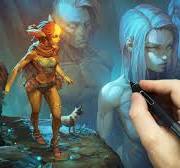
The Beauty of CG Artwork: Exploring the World of Computer-Generated Art
Computer-generated (CG) artwork has revolutionized the world of art, pushing boundaries and opening up new creative possibilities for artists around the globe. CG artwork refers to images and animations created using computer software and digital tools, allowing artists to bring their imagination to life in ways that were previously unimaginable.
One of the most fascinating aspects of CG artwork is its versatility. Artists can manipulate shapes, colors, textures, and lighting with precision and ease, resulting in stunning visual compositions that transcend traditional artistic mediums. Whether it’s creating hyper-realistic landscapes, fantastical creatures, or abstract designs, CG artists have the freedom to experiment and innovate in ways that traditional artists could only dream of.
The level of detail and realism achievable in CG artwork is truly remarkable. Artists can simulate complex materials like metal, glass, or water with astonishing accuracy, blurring the line between reality and imagination. The ability to control every aspect of a digital scene allows artists to create immersive worlds that captivate viewers and evoke powerful emotions.
Furthermore, CG artwork has become an integral part of industries such as film, video games, advertising, and architecture. The use of computer-generated imagery (CGI) has transformed visual storytelling and entertainment, enabling filmmakers to create breathtaking special effects and realistic environments that transport audiences to other worlds.
As technology continues to advance, the possibilities for CG artwork are endless. From virtual reality experiences to interactive installations, CG artists are constantly pushing boundaries and redefining what is possible in the world of art. The beauty of CG artwork lies in its ability to blend creativity with cutting-edge technology, inspiring both artists and audiences alike.
Whether you’re a seasoned professional or an aspiring artist exploring the world of CG artwork for the first time, one thing is certain – the future of digital art is bright, bold, and full of endless possibilities waiting to be discovered.
8 Essential Tips for Enhancing Your CG Artwork
- Focus on composition and framing to create visually appealing artwork.
- Pay attention to lighting and shadows for a more realistic look.
- Experiment with different textures and materials to add depth to your artwork.
- Use color theory to evoke emotions and set the mood of your piece.
- Practice regularly to improve your skills and develop your own style.
- Seek feedback from other artists or online communities to get constructive criticism.
- Study anatomy and proportions to create more believable characters and creatures.
- Don’t be afraid to step out of your comfort zone and try new techniques or styles.
Focus on composition and framing to create visually appealing artwork.
When creating CG artwork, it is essential to focus on composition and framing to achieve visually appealing results. Composition refers to how elements are arranged within the artwork, guiding the viewer’s eye and creating a sense of balance and harmony. By carefully considering the placement of objects, colors, and textures, artists can create dynamic compositions that draw viewers in and convey a specific mood or message. Framing plays a crucial role in highlighting the main subject of the artwork and adding depth to the overall image. Attention to composition and framing can elevate CG artwork from good to exceptional, capturing the viewer’s attention and leaving a lasting impression.
Pay attention to lighting and shadows for a more realistic look.
When creating computer-generated artwork, it is crucial to pay close attention to lighting and shadows in order to achieve a more realistic and immersive look. Properly rendered lighting can enhance the depth, texture, and overall believability of the scene, bringing digital creations to life with a sense of authenticity. By carefully considering how light interacts with objects and surfaces, artists can create dynamic compositions that evoke a sense of realism and captivate viewers with their attention to detail.
Experiment with different textures and materials to add depth to your artwork.
Experimenting with different textures and materials is a valuable tip for enhancing the depth and visual appeal of your CG artwork. By incorporating a variety of textures, such as rough, smooth, shiny, or matte surfaces, you can create a more dynamic and realistic look in your creations. Playing with different materials like metal, wood, fabric, or glass can add richness and complexity to your artwork, bringing it to life in ways that engage the senses and draw viewers into the intricacies of your digital world. Embrace the opportunity to explore the endless possibilities that diverse textures and materials offer to elevate the quality and impact of your CG artwork.
Use color theory to evoke emotions and set the mood of your piece.
Utilizing color theory in your CG artwork can be a powerful tool to evoke emotions and establish the mood of your piece. By understanding how different colors interact and influence each other, artists can create visual compositions that resonate with viewers on a deeper level. Whether you want to convey warmth and joy with vibrant hues or evoke a sense of calmness and serenity with cooler tones, choosing the right color palette can significantly enhance the impact and storytelling of your artwork. Experimenting with color combinations and contrasts allows artists to craft immersive experiences that engage the senses and evoke specific emotional responses from the audience.
Practice regularly to improve your skills and develop your own style.
To enhance your proficiency and cultivate a distinctive style in CG artwork, consistent practice is key. Regularly engaging in creating digital art not only hones your technical skills but also allows you to explore different techniques, experiment with new ideas, and ultimately develop a unique artistic voice. Through dedicated practice sessions, you can refine your craft, push the boundaries of your creativity, and gradually evolve into a more accomplished CG artist with a recognizable and authentic style.
Seek feedback from other artists or online communities to get constructive criticism.
Seeking feedback from other artists or online communities is a valuable tip when creating CG artwork. Constructive criticism from fellow artists can provide fresh perspectives, identify areas for improvement, and offer valuable insights that can help elevate the quality of your work. Engaging with a supportive community of artists allows you to learn from others, exchange ideas, and grow as an artist. By welcoming feedback and actively seeking input from others, you can refine your skills, expand your creative horizons, and ultimately enhance the impact of your CG artwork.
Study anatomy and proportions to create more believable characters and creatures.
Studying anatomy and proportions is essential for creating more believable characters and creatures in CG artwork. By understanding the structure of the human body and how different elements relate to each other, artists can imbue their creations with a sense of realism and authenticity. Paying attention to details such as muscle definition, bone structure, and overall proportions helps artists achieve a more lifelike appearance in their digital creations, allowing viewers to connect with the characters on a deeper level. Mastering anatomy not only enhances the visual appeal of CG artwork but also elevates the storytelling potential by making characters and creatures more relatable and engaging to audiences.
Don’t be afraid to step out of your comfort zone and try new techniques or styles.
To truly harness the potential of CG artwork, it is essential not to shy away from stepping out of your comfort zone and embracing new techniques or styles. By daring to explore unfamiliar territory, artists can unlock fresh perspectives, unleash their creativity, and push the boundaries of what is possible in the digital realm. Embracing experimentation and embracing challenges can lead to exciting discoveries and personal growth as an artist.