
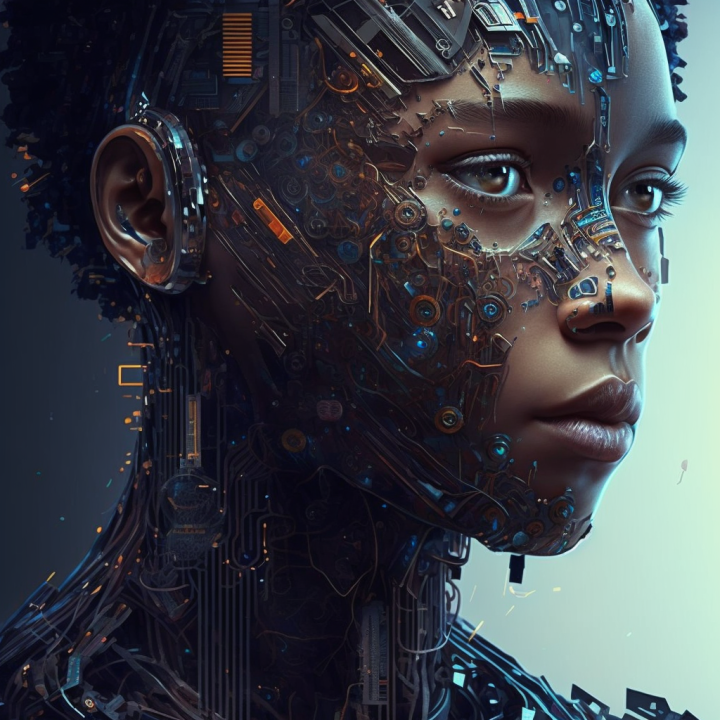
The Intersection of Art and Artificial Intelligence
In recent years, the fusion of art and artificial intelligence (AI) has sparked a fascinating dialogue about creativity, technology, and the future of artistic expression. As AI technologies continue to evolve, they are beginning to play an increasingly significant role in the creation and interpretation of art.
The Emergence of AI in Art
AI’s entry into the art world began with simple algorithms that could replicate basic artistic styles. However, advancements in machine learning have led to sophisticated programs capable of generating complex artworks. These AI systems analyze vast datasets of existing artworks to learn patterns, styles, and techniques that they then use to create new pieces.
Notable AI-Generated Artworks
One of the most famous examples of AI-generated art is “Portrait of Edmond de Belamy,” created by a Paris-based collective using a Generative Adversarial Network (GAN). In 2018, this piece made headlines when it sold at auction for $432,500—far exceeding expectations and sparking debates about the value and originality of AI-created art.
Another groundbreaking project is Google’s DeepDream, which uses neural networks to transform images into surreal and dream-like visuals. This tool has been embraced by artists worldwide for its ability to generate unique interpretations of existing images.
The Role of Artists in AI Art
While AI can autonomously create art, human artists remain integral to the process. Many artists view AI as a collaborative tool that enhances their creative capabilities rather than replacing them. By programming specific parameters or curating datasets for their AI counterparts, artists guide the direction and style of the resulting works.
Challenges and Ethical Considerations
The integration of AI into art raises several ethical questions. Issues such as copyright ownership, authenticity, and the potential loss of human touch in art are hotly debated topics within both artistic and technological communities. Additionally, there is concern about bias in datasets used by AI systems, which can perpetuate stereotypes or exclude certain cultural perspectives.
The Future of Art and AI
The relationship between art and artificial intelligence is still in its infancy but holds immense potential for innovation. As technology advances, it will likely lead to new forms of artistic expression that challenge traditional notions of creativity. Artists who embrace these tools may find themselves at the forefront of a new era in art history—one where human ingenuity meets machine precision.
In conclusion, while AI continues to evolve as a powerful tool for creating art, it also prompts us to rethink our understanding of creativity itself. As we navigate this uncharted territory, one thing remains clear: the dialogue between humans and machines will shape not only the future of art but also how we define what it means to be an artist.
5 Tips for Enhancing Your Artistic Journey with AI Technology
- Experiment with different AI tools and software to discover new artistic techniques.
- Combine traditional art skills with AI technology to create unique and innovative artworks.
- Stay updated on the latest developments in AI art by following artists and researchers in the field.
- Explore ethical considerations surrounding AI art, such as ownership and attribution of generated artworks.
- Collaborate with other artists or technologists to push the boundaries of what is possible with AI in art.
Experiment with different AI tools and software to discover new artistic techniques.
Exploring various AI tools and software can open up a world of new artistic techniques and possibilities. By experimenting with different programs, artists can discover unique ways to enhance their creative process. AI tools often provide features such as style transfer, generative design, and image manipulation, which can inspire fresh ideas and approaches to art-making. These technologies allow artists to push the boundaries of traditional art forms, creating innovative works that blend human creativity with machine intelligence. As each tool offers distinct capabilities, experimenting with a range of options can help artists find the perfect fit for their artistic vision and goals.
Combine traditional art skills with AI technology to create unique and innovative artworks.
Combining traditional art skills with AI technology opens up a world of possibilities for creating unique and innovative artworks. By integrating classical techniques such as painting, drawing, or sculpting with cutting-edge AI tools, artists can push the boundaries of creativity and explore new artistic realms. This fusion allows artists to leverage the precision and data-driven insights of AI while maintaining the emotional depth and personal touch inherent in traditional art forms. The result is a harmonious blend that not only enhances artistic expression but also challenges conventional perceptions of art. As artists experiment with this synergy, they can produce compelling works that reflect both technological advancements and timeless human creativity.
Stay updated on the latest developments in AI art by following artists and researchers in the field.
Staying updated on the latest developments in AI art is crucial for anyone interested in the intersection of technology and creativity. By following artists and researchers who are pioneering this field, one can gain insights into emerging trends, techniques, and tools that are shaping the future of art. These experts often share their work, experiments, and findings through social media platforms, blogs, and academic publications. Engaging with their content not only keeps you informed about cutting-edge advancements but also provides inspiration and a deeper understanding of how AI can be harnessed to create innovative artistic expressions. Additionally, such engagement helps build a community of like-minded individuals who are passionate about exploring new frontiers in art and technology.
Explore ethical considerations surrounding AI art, such as ownership and attribution of generated artworks.
As AI continues to revolutionize the art world, it brings with it a host of ethical considerations that are essential to explore. One major issue is the question of ownership and attribution of AI-generated artworks. When a machine creates a piece of art, determining who holds the rights to that work becomes complex. Is it the programmer who developed the algorithm, the artist who curated the input data, or perhaps even the AI itself? Additionally, there are concerns about how to attribute credit for these creations. Traditional notions of authorship are challenged by AI’s ability to autonomously generate art, raising questions about originality and creativity. These ethical considerations not only impact legal frameworks but also influence how society perceives and values AI-generated art in comparison to human-made works. As technology advances, addressing these issues will be crucial in shaping a fair and inclusive future for art in the digital age.
Collaborate with other artists or technologists to push the boundaries of what is possible with AI in art.
Collaborating with other artists or technologists can significantly expand the horizons of what is possible when integrating AI into art. By joining forces, artists bring their creative visions and aesthetic sensibilities, while technologists contribute technical expertise and innovative approaches to AI development. This synergy allows for the exploration of new artistic techniques, the creation of hybrid art forms, and the development of unique tools that neither could achieve alone. Collaboration fosters an environment where ideas can be exchanged freely, leading to groundbreaking projects that challenge conventional boundaries and redefine artistic expression in the age of technology. Through these partnerships, both artists and technologists can push the limits of creativity and innovation, paving the way for a future where AI plays a pivotal role in the evolution of art.