
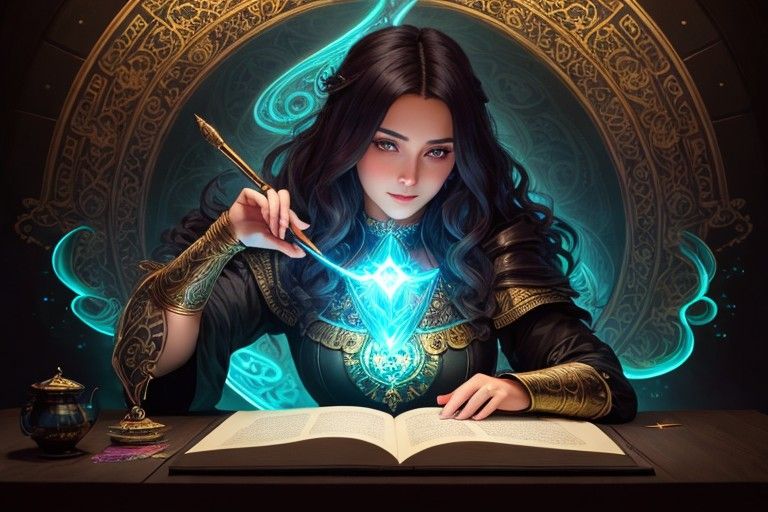
The Rise of AI Artwork: Redefining Creativity
In recent years, artificial intelligence (AI) has made significant strides in various fields, and the world of art is no exception. AI artwork is transforming the landscape of creativity, challenging traditional notions of authorship and artistic expression.
What is AI Artwork?
AI artwork refers to pieces created with the assistance of artificial intelligence algorithms. These algorithms analyze vast amounts of data to generate images, music, and even poetry. By utilizing machine learning techniques, AI can mimic styles, create new compositions, and even collaborate with human artists.
The Technology Behind AI Art
The backbone of AI artwork lies in neural networks—complex algorithms designed to recognize patterns and learn from data. Generative Adversarial Networks (GANs) are particularly popular in this domain. GANs consist of two neural networks: a generator that creates images and a discriminator that evaluates them. Through this process, the generator learns to produce increasingly realistic artworks.
Notable Examples of AI Artwork
- Edmond de Belamy: One of the most famous pieces of AI art is “Portrait of Edmond de Belamy,” which was auctioned at Christie’s for $432,500 in 2018. Created by the French collective Obvious using a GAN algorithm, this portrait sparked widespread debate about the value and originality of AI-generated art.
- AICAN: Developed by Dr. Ahmed Elgammal at Rutgers University, AICAN is an autonomous creative system that generates original artworks. It has produced numerous pieces exhibited in galleries worldwide.
The Debate: Is AI Art Truly Creative?
The emergence of AI artwork raises questions about creativity and authorship. Critics argue that since machines lack consciousness and intent, they cannot truly create art in the traditional sense. However, proponents suggest that AI serves as a tool for human artists to explore new possibilities and push creative boundaries.
Furthermore, some view AI as a collaborator rather than a creator—augmenting human creativity rather than replacing it. Artists can input their ideas into an algorithm to generate unexpected results or new interpretations.
The Future of AI Artwork
As technology continues to evolve, so will the capabilities of AI in creating art. The integration of virtual reality (VR) and augmented reality (AR) with AI could lead to immersive artistic experiences previously unimaginable.
Moreover, as society becomes more accepting of digital creations as legitimate forms of art, we may see increased collaboration between humans and machines across diverse artistic disciplines.
Conclusion
AI artwork represents a fascinating intersection between technology and creativity—a space where machines challenge our understanding while simultaneously expanding our horizons. Whether viewed as mere tools or genuine collaborators in creation remains an ongoing conversation among artists worldwide.
Mastering AI Art: 6 Essential Tips for Creating Unique and Innovative Artwork
- Understand the basics of AI artwork creation process.
- Experiment with different AI art tools and techniques to find what works best for you.
- Combine traditional art skills with AI technology to create unique pieces.
- Stay updated on the latest trends and developments in AI art.
- Don’t be afraid to think outside the box and push the boundaries of creativity with AI.
- Remember that practice makes perfect, so keep creating and refining your AI artwork.
Understand the basics of AI artwork creation process.
Understanding the basics of the AI artwork creation process is essential for anyone interested in exploring this innovative field. At its core, AI artwork is generated using algorithms that analyze and learn from vast datasets, often consisting of existing artworks. These algorithms, particularly neural networks like Generative Adversarial Networks (GANs), are trained to recognize patterns and styles within the data. The process involves two main components: a generator that creates images and a discriminator that evaluates them for authenticity. Through iterative training, the generator improves its ability to produce realistic and unique artworks. By grasping these foundational concepts, artists and enthusiasts can better appreciate how AI can be leveraged as a tool for creative expression, pushing the boundaries of traditional art forms while fostering new artistic possibilities.
Experiment with different AI art tools and techniques to find what works best for you.
Exploring the world of AI artwork offers a unique opportunity to experiment with various tools and techniques, allowing artists to discover what resonates most with their creative vision. With a multitude of AI art platforms available, such as DeepArt, RunwayML, and Artbreeder, each offers distinct features and capabilities. By experimenting with these different tools, artists can uncover new styles and methods that complement their personal artistic approach. This exploration not only enhances creativity but also provides valuable insights into how AI can augment traditional art forms. Embracing this trial-and-error process can lead to unexpected and inspiring results, ultimately broadening one’s artistic repertoire.
Combine traditional art skills with AI technology to create unique pieces.
Combining traditional art skills with AI technology offers artists a powerful way to create unique and innovative pieces. By integrating classical techniques such as drawing, painting, or sculpting with the capabilities of artificial intelligence, artists can explore new dimensions of creativity that were previously unimaginable. This fusion allows for the generation of artworks that maintain the authenticity and emotional depth of traditional methods while incorporating the complex patterns and novel forms that AI can produce. Artists can use AI to experiment with different styles, generate fresh ideas, or even enhance their existing work. This synergy not only broadens the scope of artistic expression but also paves the way for a new era in art where human intuition and machine intelligence work hand in hand to push creative boundaries.
Stay updated on the latest trends and developments in AI art.
Staying updated on the latest trends and developments in AI art is essential for anyone interested in this rapidly evolving field. As technology advances, new tools and techniques continue to emerge, offering artists innovative ways to express their creativity. By keeping abreast of these changes, artists and enthusiasts can explore cutting-edge software, discover novel applications of AI in art, and understand the implications of these technologies on traditional artistic practices. Additionally, staying informed allows individuals to engage with the broader conversation about the role of AI in art, including discussions on ethics, authorship, and the future of creativity. Whether through following industry news, participating in online forums, or attending conferences and exhibitions, staying current ensures that one remains at the forefront of this exciting intersection between technology and art.
Don’t be afraid to think outside the box and push the boundaries of creativity with AI.
Embracing AI in the realm of art invites a world of limitless possibilities, where thinking outside the box becomes not just an option but a necessity. As artists explore this new frontier, they have the opportunity to push the boundaries of creativity beyond traditional limits. AI tools can serve as catalysts for innovation, enabling artists to experiment with styles, techniques, and concepts that were previously unimaginable. By integrating AI into their creative processes, artists can generate unique compositions and explore uncharted territories in art. This bold approach encourages a reimagining of what art can be, fostering a dynamic interplay between human intuition and machine intelligence that redefines artistic expression.
Remember that practice makes perfect, so keep creating and refining your AI artwork.
Creating AI artwork is a dynamic process that thrives on continuous practice and refinement. Just like traditional art forms, the journey to mastering AI art involves experimenting with different algorithms, styles, and techniques. Each iteration provides valuable insights and helps hone one’s skills, leading to more sophisticated and compelling creations over time. By consistently engaging with the tools and pushing creative boundaries, artists can unlock new possibilities and develop a unique voice within the realm of AI-generated art. Embracing the mindset that practice makes perfect encourages artists to explore uncharted territories and evolve their craft, ultimately enriching their artistic expression.